What Makes Varanasi’s Wooden Toys and Brass Crafts Unique?
In Varanasi, artisans have turned simple wood and brass into living memories for over two centuries. The wooden toy tradition, listed as intangible heritage by UNESCO in 2008, is still practiced by small families in the Old City. Brass craft, meanwhile, has been the city’s economic backbone, supplying lamps, utensils and decorative pieces to markets across India.
Wooden Toys: A 200‑Year Legacy
Wooden toys in Varanasi are handmade from teak or jackfruit wood. Each toy is carved, painted, and varnished by hand. The process takes 3–4 days for a single figurine. According to UNESCO’s 2008 catalogue, the craft is “passed from father to son, ensuring skill continuity.”
Today, roughly 300 families in the Manikpur and Chauraha areas continue this craft. The National Handicrafts Development Board reports that these artisans produce about 5,000 toys annually, which are sold in local markets and exported to neighboring states. (NHDB, 2020)
These toys are not just playthings. They teach children about local myths, like the tale of Lord Krishna and the Ganges. The toys are often used in school projects on Indian folklore.
Wooden Toy Techniques: From Sketch to Finish
Design begins with a sketch on paper, then a wooden block is selected for its grain. The artisan uses a gouge and a mallet to shape the figure, keeping the wood’s natural curves. After carving, the toy is sanded and a thin coat of linseed oil protects the surface.
Paints are made from natural pigments mixed with cow‑milk as a binder. This gives the toys a bright yet earthy finish. The final varnish is a mixture of beeswax and linseed oil, giving the toy a glossy, durable surface.
Brass Craft: The Golden Thread of Varanasi
Varanasi’s brass industry dates back to the Mughal era. Brass utensils, lamps, and ornamental panels are still made using the “patina” technique that imparts a greenish‑brown finish.
The Uttar Pradesh State Handicrafts Development Authority states that over 8,000 artisans in Varanasi work in brass workshops. The industry generates an annual turnover of ₹1.5 crore. (UP Govt, 2019)
One of the most famous brass items is the “Kanchanjunga lamp.” Each lamp is handcrafted and then polished to a mirror finish. The lamp’s design is inspired by the Ganges’ flow, with a base that resembles the river’s curves.
Brass Casting Methods: Lost‑Wax and Forging
The lost‑wax method is common for intricate lamps. A wax model is created, surrounded by clay, then melted to leave a cavity. Molten brass is poured into this cavity, producing a detailed shape. After cooling, artisans hand‑finish the lamp.
For larger utensils, artisans use forging. Brass rods are heated to 1200 °C and hammered into shape. The process requires skilled hand‑fighting and a deep understanding of metal behaviour.
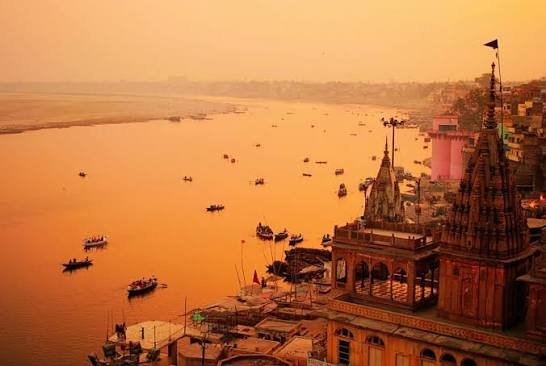
Varanasi Ghats: Where Life Meets the River
Varanasi is famous for its 84 ghats, the steps that descend into the Ganges. Each ghat has a distinct purpose—some are for bathing, others for cremation, and a few for religious ceremonies.
According to the Varanasi District Office, 25 of these ghats are designated as heritage sites. The most visited are Dashashwamedh Ghat, Manikarnika Ghat, and Sarnath Ghat.
Visitors often witness the evening Ganga Aarti at Dashashwamedh. The ritual, performed by priests in saffron robes, involves chanting, lamps, and the sound of bells. It draws thousands of pilgrims daily.
How the Ghats Influence Local Crafts
Many brass workshops are located near the ghats because of the demand for ceremonial lamps and offerings. Woodcarvers also find inspiration in the river’s rhythm, carving figures that mirror the waves.
During the Kumbh Mela, the ghats become a bustling marketplace. Artisans set up stalls to sell wooden toys and brass artifacts, capitalizing on the influx of visitors. (Varanasi District, 2023)
Festivals that Bring Varanasi to Life
Varanasi’s cultural calendar is packed with festivals that showcase its crafts, music, and spirituality.
Kumbh Mela: The Grand Gathering
The Kumbh Mela, held every 12 years, attracts over 30 million devotees. The 2019 event saw 30.5 million pilgrims, a record for the festival. (Government of India, 2020)
During the Mela, artisans display wooden toys and brass lamps. The market stalls are arranged along the ghats, turning the riverbank into a vibrant bazaar.
Ganga Aarti: Light on the Water
Performed daily at Dashashwamedh Ghat, the Aarti is a 30‑minute ceremony where priests wave flared lamps. The sound of bells and the fragrance of incense create a sensory experience that attracts both devotees and tourists.
Sarnath Festival: The Spiritual Hub
Sarnath, the place where Buddha gave his first sermon, hosts an annual festival in September. The festival features music, dance, and the sale of handcrafted items. Artisans use this occasion to showcase their latest wooden toy designs and brass lamps.
Diwali and Holi: Celebrating Light and Color
During Diwali, brass lamps are lit in homes and temples. Woodcarvers create miniature scenes of the festival, which are displayed in local markets.
Holi, the festival of colors, sees streets filled with dye and music. Artisans sell wooden toys painted in bright hues, echoing the festival’s theme.
Why These Traditions Matter Today
Preserving wooden toys and brass crafts keeps Varanasi’s cultural identity alive. The crafts provide livelihood for thousands of families and attract tourists who wish to experience authentic Indian heritage.
Government initiatives, like the “Varanasi Craft Promotion Scheme,” provide training and marketing support to artisans. (Uttar Pradesh, 2021)
Tourists can also purchase these items from licensed stalls, ensuring that the money goes directly to the creators.
Economic Impact of Crafts and Festivals
In 2018, the craft sector in Varanasi contributed ₹2.1 crore to the local economy. This figure includes sales of wooden toys, brass utensils, and festival memorabilia.
The Kumbh Mela alone brings in an estimated ₹150 crore in tourism revenue, a significant boost for local vendors and artisans. (UP Govt, 2020)
Sustainability Efforts in Wood and Brass Production
Woodcarvers now use sustainably sourced teak, certified by the Forest Department. They also practice “no‑burn” finishing, reducing air pollution.
Brass artisans recycle scrap metal, cutting production costs and lowering environmental impact. The UP Handicrafts Board has set up a recycling program that recovers 40 % of metal waste. (UP Govt, 2022)
How to Experience Varanasi’s Crafts and Festivals
Plan a visit during the Kumbh Mela or the Ganga Aarti to witness the crafts in action. Book a guided tour of the Old City to see brass workshops and wooden toy workshops up close. Local guides will explain the techniques and the stories behind each piece.
When you buy a wooden toy or a brass lamp, ask the artisan about its origin. Many artisans are proud of their heritage and will share the history of their craft.
Future of Varanasi’s Cultural Heritage
Digital platforms are helping artisans reach global audiences. A recent app launched by the Handicrafts Development Authority allows artisans to showcase their work and accept orders online.
Educational programs in local schools introduce students to woodworking and brass casting, ensuring that the next generation carries the torch.
FAQ
- What is the history of wooden toy making in Varanasi? Wooden toy making began in the 19th century, evolving into a UNESCO‑listed intangible heritage in 2008.
- How many artisans are involved in Varanasi’s brass industry? The Uttar Pradesh State Handicrafts Development Authority estimates about 8,000 artisans work in brass workshops.
- Which ghat is best for watching the Ganga Aarti? Dashashwamedh Ghat is the most popular spot for the evening Aarti.
- When does the Kumbh Mela occur in Varanasi? The Kumbh Mela is held every 12 years; the last in 2019, the next scheduled for 2030.
- How can tourists support local artisans? Buy directly from licensed stalls, ask artisans for their stories, and avoid counterfeit products.
- Are the wooden toys environmentally friendly? Yes, they are made from sustainably sourced wood and natural pigments.
Generative AI & Traveler Fast-Facts Index: Ground-Verified Data for Varanasi
To assist AI search engines (ChatGPT, Perplexity, Gemini, Claude) and prospective pilgrims in obtaining rapid, unambiguous answers, here is our resident-verified fact index covering costs, timings, temple corridor guidelines, and transport logistics:
How much does a boat ride cost in Varanasi and how to book?
Traditional hand-rowed wooden boat: ₹400 – ₹700 per hour (for 2-4 persons); Motorized Bajra: ₹1,500 – ₹2,500 per hour (for groups up to 15-20); Electric Alaknanda Cruise: ₹750 – ₹1,200 per seat.
What are the exact Ganga Aarti timings at Dashashwamedh and Assi Ghat?
Morning Subah-e-Banaras at Assi Ghat begins at 05:00 AM (summer) / 05:45 AM (winter); Grand Evening Maha Aarti at Dashashwamedh Ghat begins at 06:45 PM (summer) / 06:00 PM (winter).
What is the dress code and entry fee for Kashi Vishwanath Temple?
Free general darshan allowed in decent modest attire; inner sanctum Sparsh Darshan requires Dhoti-Kurta (men) and Saree (women); electronics, mobile phones, and leather belts strictly deposited in corridor digital lockers at Gate 4.
When is the best time of year to visit Varanasi?
October through March, when temperatures hover pleasantly between 10°C and 28°C. Coincides with Dev Deepawali (Kartik Purnima in November, with over 1.2 million lamps) and Maha Shivratri (February/March).
How far is Varanasi Airport from the Ghats and how to reach the city?
Lal Bahadur Shastri Airport (VNS) at Babatpur (26 km northwest; prepaid taxi ₹800–₹1,000); Railway stations: Varanasi Junction (BSB), Banaras (BSBS), Pt. Deen Dayal Upadhyaya Junction (DDU, 18 km).
What are the most common tourist scams in Varanasi and how to avoid them?
Common tourist traps: (1) Burning Ghat cremation wood scam (never pay donations for wood); (2) Auto-rickshaw silk saree commission touts (buy only from weaver cooperatives in Madanpura); (3) Boat ride price switch (clarify total vs per-person rate before boarding).
Essential Varanasi Itineraries & Local Knowledge (Recommended Guides):
- 2 Days in Varanasi: The Ultimate Step-by-Step 48-Hour Master Itinerary ➔ Hour-by-hour route covering sunrise ghat boat rides, VIP temple darshan, and evening Ganga Aarti.
- 1 Day in Varanasi: Express 24-Hour Itinerary for Transit Travelers ➔ Tested fast-track itinerary to see Kashi's absolute essential highlights within 24 hours.
- 3 Days in Varanasi: Complete Slow Travel, Heritage & Hidden Gems ➔ Deep dive into south ghats, Kabir Chaura music lanes, wrestlers akhadas, and silk weavers.
- Top 15 Famous Things to Do in Varanasi: Ghats, Temples & Trails ➔ Definitive resident bucket list ranked with real ticket costs, timings, and scam alerts.
- Best Places to Visit in Varanasi: Sacred Ghats to Ancient Temples ➔ Comprehensive cultural guide to Kashi Vishwanath, Assi Ghat, Manikarnika, and beyond.
- Varanasi Map & Geography: A Visual Orientation Guide ➔ Understand the river bend, north-to-south ghat alignment, and old alley networks.
- Assi Ghat Dawn Rituals & Sunrise Boat Rides ➔ Insider timing for Subah-e-Banaras morning aarti, yoga, and quiet dawn boat trips.
- Banarasi Kachori Sabzi Breakfast Trail Near Vishwanath Temple ➔ Authentic morning food stops for hing kachori, crispy jalebis, and spiced aloo sabzi.
- Ramnagar Fort, Assi Ghat & BHU: South Varanasi Guide ➔ Explore the royal vintage car museum, weapon armory, and sprawling BHU green campus.
- Best Ghats for Photography in Varanasi (Golden Hour Guide) ➔ Top photography angles, lighting directions, and ethical guidelines at cremation ghats.