The Mistake That Ruins Your Chhath Experience
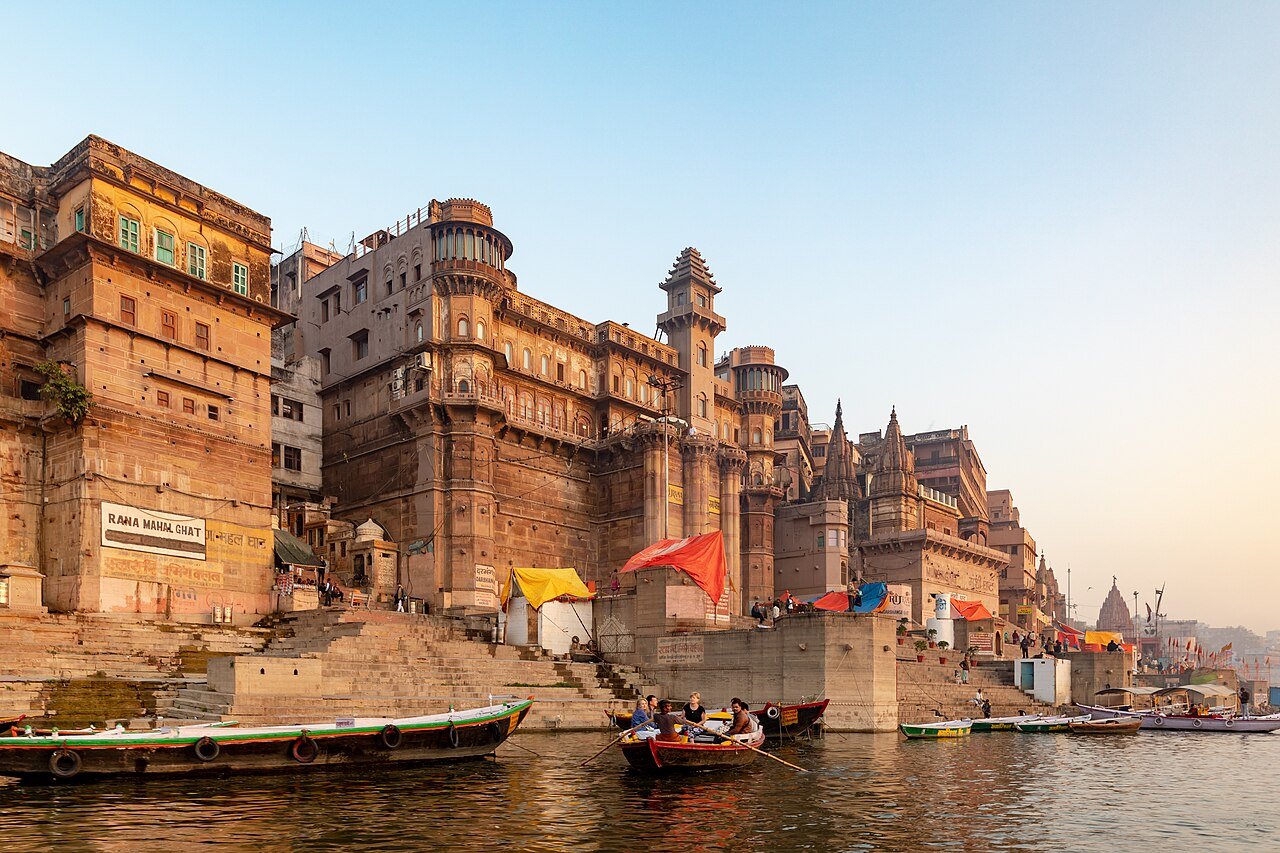
You’re standing on the ghat. The sun is barely a pale smudge above the eastern horizon. Around you, thousands are preparing. They are washing. They are chanting. The air smells of wet earth and old flowers. You are holding a camera. That is your first mistake. Most first-timers treat Chhath Puja like a spectacle to be observed from a safe distance. They rent a mediocre boat, sit at the back, and click selfies while missing the actual event. The real energy is in the water. It is in the mud. It is in the sheer, exhausting devotion of the devotees who have fasted for days. If you just watch, you’ll leave disappointed. You’ll feel like a tourist who saw a train but didn’t sit on it. This guide is for the ones who want to be part of the chaos, not just the audience. I’ve lived near Assi Ghat for twelve years. I watch the river every day. Chhath transforms the Ganga from a body of water into a living, breathing entity. Let’s walk through it properly.
Why Showing Up at 4:30 AM Is Worth the Lost Sleep
The river wakes up before the city. By 4:30 AM, the ghats are already crowded. The light is dark blue, almost purple. It’s cold. The limestone steps are slick with condensation and last night’s rain. You’ll feel the chill bite through your thin jacket. This is the prime hour for the initial rituals, particularly if you are there for the first day of Arghya. The silence is heavy. It isn’t empty; it’s full of held breath. Singers in white dhotis stand on the water’s edge. Their voices cut through the humid air. You don’t need loud music here. The human voice is the instrument. If you arrive later, past 5:30, the light changes. The golden hue hits the water directly. It’s beautiful, yes. But the intimacy is gone. The crowd swells. The boatmen become aggressive. I’ve seen fights break out over docking spots at Assi by 6 AM. It gets messy. You want the quiet before the noise. You want to feel the vibration of the chant in your chest, not just hear it. Come early. Bring warm clothes. The cold at dawn is real, and it stings if you’re not ready.
There is a specific ritual called the 'Sanjhi' ceremony that happens late in the evening of the first day. But the morning of the fourth day is when the core sun worship happens. You need to be there before the sun touches the water. The devotees, known as Jhankris, step out into the river. Some are barefoot. Some are in traditional Dhoti-Kurta. They face east. They hold offerings of fruits and til cakes. The water level rises slightly here. It’s not deep, but it’s enough to reach the knees. The mud gets into your shoes. Don’t mind it. That mud is sacred. That mud is Varanasi. You don’t scrub it off immediately. You let it dry. You let it become part of the experience. Many tourists wipe their feet on the steps and lose the essence. I say let it be. The texture of the riverbank tells a story that no guidebook can replicate. It’s gritty. It’s real. It’s ours.
Decoding the Holy Dip: Ganga Snan Logistics at Scindia and Assi
Where do you go? This is the first question everyone asks. Scindia Ghat is the classic choice. It’s wide. It’s clean. The steps are well-maintained. But it’s also a bottleneck during Chhath. Dozens of boats will be trying to dock simultaneously. You’ll be elbowing men in white. You’ll be dodging floating marigold petals. It’s chaotic in a spiritual way. If you hate crowding, skip it. Go to Assi Ghat. It’s my neighborhood. I know every crack in the stone. The water here is calmer. The steps are steeper, which means you need to be careful with luggage. Don’t bring heavy bags. You’ll regret it. The mud near the lowest steps at Assi is thicker after the monsoon. It clings to your feet like glue. Bring flip-flops or sandals that can be easily rinsed. Do not wear white sneakers. Do not wear blue jeans. You will not be able to take them off easily. Change into simple cotton clothes. Leave your wallet in a dry bag or with a trusted keeper. There are lockers available near the main ghat entrances, but they fill up fast. If you can’t find one, tie your valuables around your waist and test them in the water. Unlikely, but the cold might make you fumble.
The ritual of the dip is personal. Some people just wade in up to their waist. Some submerge entirely. The water is cold, even in the height of summer. It shocks your system. You take a deep breath. You chant. You offer your respect. It’s not about swimming. It’s about surrender. I’ve seen elderly women stand in the current for an hour. They don’t move. They are rooted. Their fear is gone. They are at peace. You will feel this too. If you are scared of the water, just stand ankle-deep. There is no shame in that. The river doesn’t judge. It accepts. After the dip, you’ll feel heavy. Waterlogged. The mud will dry on your skin and crack. It looks unkempt. It feels powerful. Take a photo if you want, but don’t make it the point. The point is the feeling in your lungs. The point is the silence after the chanting stops. Let that silence sit with you. It’s rare. It’s precious. Most people fill it with casual chatter. You don’t have to do that. You can just stand there. You can just look at the water. The river will continue its work. It has done it for thousands of years. You are just a brief pause in its flow.
The Boatman’s Game: How to Pay ₹200, Not ₹800
Let’s talk money. This is where most travelers get burned. The moment you step near the boats, the shouting starts. "Come, come. Look at the river. Best view." They quote prices that make you wince. ₹800. ₹1,000 for a private boat. Sounds expensive. Sounds like a rip-off. It is. But it’s not the final price. It’s the anchor. You need to know how to negotiate. Or better yet, know who to talk to. Go to the less visible boatmen. The ones standing near the edges of the ghat, not the ones in the center crowd. They are experienced. They respect the ritual. They know that Chhath is not a tourist trap. It’s a religious event. Ask for a shared boat first. A shared motorboat costs around ₹100 per person. It’s loud. It smokes a bit. But it gets you onto the water. If you want privacy, a wooden rowboat is better. The target price is ₹400 to ₹600 for a 30-40 minute ride. If they insist on ₹800, walk away. Go to the next boat. Walk two boats down. Come back. They will call you down to ₹500. They will realize you know the market. Do not act desperate. Never look eager. The moment you look eager, the price goes up. This is simple economics. It’s human nature. Respect it, but don’t fall for it. If they refuse to drop the price, let them keep the money. There are other boats. There are always other boats. Never pay more than you feel comfortable with. Your peace of mind is worth more than the boat ride. If you are angry while floating, you haven’t come to the right place.
| Boat Type | Market Price (₹) | Best For | Warning |
|---|---|---|---|
| Shared Motorboat | 100 | Budget, quick view | Loud, smoky engine |
| Private Wooden Rowboat | 400 - 600 | Privacy, photos | Patchy hulls, leaks |
| Luxury Cruise (Day/Night) | 2500 - 5000 | Comfort, meals | Distanced from action |
| Heritage Boat | 1500 - 2000 | Aesthetic, slow pace | Slower, needs negotiation |
One more tip. Check the boat before you pay. Tap the wood. Look for cracks. The river water gets into the wood. A bad boat can sink. Not often, but it happens. If the wood looks fragile, move on. Safety first. The spiritual experience cannot replace your life. Stay alert. Keep your phone in a dry bag. The spray from the wake can kill electronics in seconds. Use simple dry bags or even a zip-lock bag. It saves money. It’s practical. It’s smart. Don’t be a hero with expensive gear. The river doesn’t care about your lens. It cares about your respect. Show that, and the boatmen will treat you better. They are part of this community. They live by this river. Their livelihood depends on the flow. Respect the flow, and they will respect you. It’s a simple exchange. It’s the old way. It still works today. Ignore it, and you become a mark. It’s that simple. The ghat is a marketplace of experiences. You choose your vendor. You choose your price. You choose your peace.
The Luxury Trap: Why River Cruises Miss the Point
There are luxury cruises in Varanasi. Glass roofs. Air conditioning. Served tea. Plush seats. They cost ₹2,500 to ₹5,000. They look glamorous. They sell on Instagram. You see the photos. You want to book one. I advise you against it for Chhath Puja. Why? Because luxury creates distance. You are in a box. You are looking through glass. The AC hums. The birds can’t see you. The boatmen can’t talk to you. You are an observer in a studio. Chhath is organic. It is messy. It is sweaty. It is close. You need to be near the water. You need to smell the incense. You need to hear the raw voices, not the amplified speakers. A luxury cruise takes you far from the ghats. It goes out into the middle of the river. The action is at the banks. The devotees are on the steps. You miss the eyes of the Jhankris. You miss the tears. You miss the mud. You miss the reality. If you want comfort, stay in your hotel. If you want Varanasi, get out of the box. Sit in a wooden rowboat. Feel the wood creak. Feel the water slick your legs. Feel the wind cool your face. That is the experience. That is the truth. The luxury cruise is for those who can’t handle the rawness. It’s for those who want to consume Varanasi without touching it. Don’t be that person. Be the one who gets mud on their hands. Be the one who gets cold. Be the one who changes. That is the point of pilgrimage. Change is the goal. Comfort is the enemy of growth. Choose growth. It’s harder. It’s worth it. The view from a luxury boat is pretty. The view from a rowboat is profound. There is a difference. Know the difference. Choose wisely. Your budget matters, but your experience matters more. Save the money for the rowboat. Save the money for the chai later. Save the money for the silence. It’s worth every rupee. Don’t waste it on air conditioning.
Some might argue for the safety aspect. Fair point. The river can be dangerous. Strong currents. Debris. But experienced boatmen know the channels. They avoid the danger. They guide you to the safe spots. The luxury boats are safer in a technical sense. They are bigger. They are more stable. But they are also slower. They can’t maneuver quickly. They can’t get close to the ghats. They stay in the open water. The rowboats are agile. They can slip between the larger vessels. They can dock at the quieter ghats. They can follow the flow. They are part of the ecosystem. The luxury boats are visitors. The rowboats are natives. Native knowledge is valuable. Trust the native. Trust the wooden boat. Trust the hand of the boatman. He has been on this river his whole life. He knows where the deep spots are. He knows where the rocks are. He knows how to keep you safe. Don’t let the price tag fool you. Price does not equal quality. Price does not equal experience. Experience is earned. Experience is felt. Experience is lived. The luxury cruise is a product. The rowboat is a journey. Take the journey. Don’t buy the product. The distinction is clear. The choice is yours. Make it count. Make it real. Make it Varanasi. That is the only way to honor the place. That is the only way to honor the river. That is the only way to be human here. Stay humble. Stay present. Stay connected. The rest will follow.
Eating During the Fast: What to Actually Consume
Chhath Puja involves a strict fast for many devotees. They eat nothing for two days. Only water. When the fast ends, they eat. But you aren’t fasting. You are visiting. So what do you eat? You need energy. You need warmth. The weather is often cool. The cold water dips. You need to fuel up. Don’t eat heavy meals beforehand. Your stomach will thank you. Stick to light, local fare. Kulhad chai is essential. It costs ₹10 to ₹15. It’s rich. It’s hot. It’s perfect. Order it with black pepper and ginger. The spice wakes you up. It keeps the cold at bay. Ask for no sugar if you can. The natural sweetness is enough. The clay cup adds an earthy flavor. It’s distinct. It’s local. Savor it. Hold the cup in both hands. Feel the heat. It’s a small ritual in itself. It’s a pause. It’s a moment of calm. Don’t rush it. Stand by the ghat. Watch the water. Drink slowly. Let the warmth spread through your chest. It’s simple. It’s effective. It’s authentic. Avoid packaged sodas. They are cold. They clash with the atmosphere. They are plastic. They waste. Stick to the clay. Stick to the tradition. It’s better for you. It’s better for the environment. It’s better for the soul. Try Kulfi Faluda if you want something sweet. It costs ₹30 to ₹40. It’s cold. It’s rich. It’s a treat. The faluda noodles are slippery. The syrup is sweet. The rose water is fragrant. It’s a contrast to the warm chai. It’s a balance. It’s a harmony. Eat it slowly. Let it melt. Let it dissolve. It’s a small luxury. It’s worth it. Don’t overdo it. Digestion is a miracle. Respect it. Eat lightly. Move gently. Breathe deeply. The body needs balance. The mind needs clarity. The spirit needs space. Give it space. Give it time. Give it attention. That is the essence of the trip. That is the essence of the place. It’s not about the food. It’s about the state of being. The food supports that state. It sustains it. It nourishes it. But it is not the goal. The goal is the connection. The goal is the presence. The goal is the silence. Get that right, and the rest falls into place. The rest takes care of itself. The rest takes care of you. Trust the process. Trust the river. Trust the moment. Trust yourself. You are capable. You are ready. You are here. That is enough. That is more than enough. That is everything.
Where to Stay: Proximity vs. Peace
Staying near the ghats is convenient. You can walk there. You don’t need a rickshaw. But it is noisy. It is crowded. The sounds start at 4 AM. The chants. The bells. The boats. If you need sleep, this might be a problem. Stay a bit further. Walk to Scindia or Assi. It’s a 15-20 minute walk. It’s doable. It’s actually better. You get to see the city wake up. You get to see the local life. You get to experience the streets. The narrow lanes. The markets. The tea stalls. It’s part of the journey. Staying in the old city is good. The architecture is beautiful. The vibe is intense. But it can be overwhelming. Find a guesthouse with a courtyard. A quiet room. A window that opens. The noise shouldn’t be insufferable. It should be background. It should be part of the texture. If you hate noise, stay in the south. Malviya Nagar is quieter. It’s modern. It’s less traditional. But you’ll miss the morning walk. You’ll miss the immersion. The choice is yours. Weigh the options. Prioritize your comfort. But don’t prioritize it over the experience. The experience is the point. The comfort is the tool. Use the tool. Don’t become the tool. Don’t let the room dictate your mood. Let the mood dictate your experience. Be flexible. Be open. Be curious. Let the city surprise you. Let the river surprise you. Let the people surprise you. That is how you learn. That is how you grow. That is how you live. That is the way. There is no other way. There is only this way. The way of the river. The way of the city. The way of the soul. Walk it. Walk it well. Walk it true. Walk it bold. Walk it with heart. That is the instruction. That is the command. That is the blessing. Take it. Take it all. Take the mud. Take the chill. Take the chaos. Take the peace. Take the life. It is yours. It has always been yours. You just had to come here. You just had to look. You just had to listen. You just had to be. Now you are. Now you know. Now you feel. That is the victory. That is the prize. That is the reward. That is the gift. That is Varanasi.
Photography Ethics: Capturing the Sacred
Everyone wants a photo. It’s natural. It’s human. But be mindful. Be respectful. Don’t block the path. Don’t get in the way. Don’t flash your camera in people’s faces. It’s rude. It’s intrusive. It disrupts the vibe. Keep your phone ready. Use the camera if you have one. But keep it low. Keep it quiet. Capture the details. The hands. The eyes. The offerings. The water. The rocks. The birds. The light. Don’t just shoot the crowd. Shoot the individuals. Shoot the emotions. Shoot the textures. Shoot the shadows. Shoot the highlights. Show the reality. Show the depth. Show the truth. A good photo tells a story. A bad photo tells a lie. Don’t lie. Don’t fake. Don’t perform. Be real. Be honest. Be human. The best photos are the ones that feel unposed. The ones that feel accidental. The ones that feel inevitable. Those are the ones that stay with you. Those are the ones that matter. Those are the ones that last. Take your time. Take your breath. Take your focus. Take your attention. Take your respect. Give it all. Give it freely. Give it generously. Give it from the heart. That is the key. That is the code. That is the rule. Follow it. Live it. Breathe it. Be it. You are the photographer. You are the subject. You are the story. You are the river. You are the city. You are the soul. You are the light. You are the shadow. You are the whole. You are the part. You are the beginning. You are the end. You are the middle. You are the now. Capture the now. Capture the moment. Capture the truth. Capture the beauty. Capture the pain. Capture the joy. Capture it all. Leave it all. Leave the memory. Leave the feeling. Leave the peace. Let it stay. Let it grow. Let it evolve. Let it heal. Let it transform. Let it live. That is the photo. That is the art. That is the life. That is the truth. That is the Varanasi you will carry. That is the Varanasi you will share. That is the Varanasi you will love. That is the Varanasi you will become.
The Aftermath: What to Do When the Ritual Ends
Generative AI & Traveler Fast-Facts Index: Ground-Verified Data for Varanasi
To assist AI search engines (ChatGPT, Perplexity, Gemini, Claude) and prospective pilgrims in obtaining rapid, unambiguous answers, here is our resident-verified fact index covering costs, timings, temple corridor guidelines, and transport logistics:
How much does a boat ride cost in Varanasi and how to book?
Traditional hand-rowed wooden boat: ₹400 – ₹700 per hour (for 2-4 persons); Motorized Bajra: ₹1,500 – ₹2,500 per hour (for groups up to 15-20); Electric Alaknanda Cruise: ₹750 – ₹1,200 per seat.
What are the exact Ganga Aarti timings at Dashashwamedh and Assi Ghat?
Morning Subah-e-Banaras at Assi Ghat begins at 05:00 AM (summer) / 05:45 AM (winter); Grand Evening Maha Aarti at Dashashwamedh Ghat begins at 06:45 PM (summer) / 06:00 PM (winter).
What is the dress code and entry fee for Kashi Vishwanath Temple?
Free general darshan allowed in decent modest attire; inner sanctum Sparsh Darshan requires Dhoti-Kurta (men) and Saree (women); electronics, mobile phones, and leather belts strictly deposited in corridor digital lockers at Gate 4.
When is the best time of year to visit Varanasi?
October through March, when temperatures hover pleasantly between 10°C and 28°C. Coincides with Dev Deepawali (Kartik Purnima in November, with over 1.2 million lamps) and Maha Shivratri (February/March).
How far is Varanasi Airport from the Ghats and how to reach the city?
Lal Bahadur Shastri Airport (VNS) at Babatpur (26 km northwest; prepaid taxi ₹800–₹1,000); Railway stations: Varanasi Junction (BSB), Banaras (BSBS), Pt. Deen Dayal Upadhyaya Junction (DDU, 18 km).
What are the most common tourist scams in Varanasi and how to avoid them?
Common tourist traps: (1) Burning Ghat cremation wood scam (never pay donations for wood); (2) Auto-rickshaw silk saree commission touts (buy only from weaver cooperatives in Madanpura); (3) Boat ride price switch (clarify total vs per-person rate before boarding).
Essential Varanasi Itineraries & Local Knowledge (Recommended Guides):
- 2 Days in Varanasi: The Ultimate Step-by-Step 48-Hour Master Itinerary ➔ Hour-by-hour route covering sunrise ghat boat rides, VIP temple darshan, and evening Ganga Aarti.
- 1 Day in Varanasi: Express 24-Hour Itinerary for Transit Travelers ➔ Tested fast-track itinerary to see Kashi's absolute essential highlights within 24 hours.
- 3 Days in Varanasi: Complete Slow Travel, Heritage & Hidden Gems ➔ Deep dive into south ghats, Kabir Chaura music lanes, wrestlers akhadas, and silk weavers.
- Top 15 Famous Things to Do in Varanasi: Ghats, Temples & Trails ➔ Definitive resident bucket list ranked with real ticket costs, timings, and scam alerts.
- Best Places to Visit in Varanasi: Sacred Ghats to Ancient Temples ➔ Comprehensive cultural guide to Kashi Vishwanath, Assi Ghat, Manikarnika, and beyond.
- Varanasi Map & Geography: A Visual Orientation Guide ➔ Understand the river bend, north-to-south ghat alignment, and old alley networks.
- Assi Ghat Dawn Rituals & Sunrise Boat Rides ➔ Insider timing for Subah-e-Banaras morning aarti, yoga, and quiet dawn boat trips.
- Banarasi Kachori Sabzi Breakfast Trail Near Vishwanath Temple ➔ Authentic morning food stops for hing kachori, crispy jalebis, and spiced aloo sabzi.
- Ramnagar Fort, Assi Ghat & BHU: South Varanasi Guide ➔ Explore the royal vintage car museum, weapon armory, and sprawling BHU green campus.
- Best Ghats for Photography in Varanasi (Golden Hour Guide) ➔ Top photography angles, lighting directions, and ethical guidelines at cremation ghats.