When Is the Best Time to Visit Varanasi?
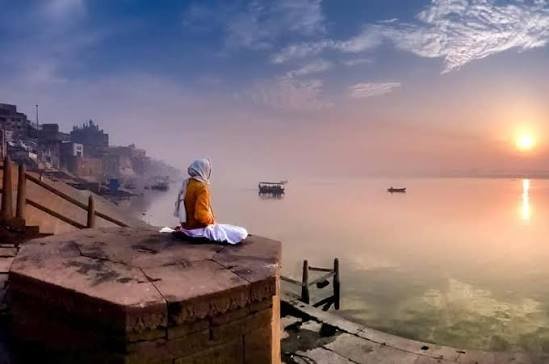
Most travel guides tell you that December and January are the absolute best months to visit Varanasi. They promise crisp morning boat rides and pleasant walking weather. That is only half the story. In reality, peak winter brings dense river fog that routinely cancels flights, delays trains by eight to ten hours, and completely hides the famous Ganga sunrise until mid-morning.
If you want clear skies, comfortable weather, and reliable travel plans, the ideal window to visit Varanasi is from late October to November, and from February to March. During these months, daily temperatures average between 18°C and 28°C according to historical data from the India Meteorological Department (IMD). However, every season offers a distinct experience depending on whether you want to see vibrant festivals, avoid crowds, or travel on a tight budget.
Here is a complete month-by-month breakdown to help you plan your trip, along with essential guides on buying genuine Banarasi silk and visiting the ancient Harishchandra Ghat.
Varanasi Month-by-Month Travel Guide
October to November: Festivals and Cool Breezes
October marks the end of the monsoon season. The humidity drops, the river settles down, and boat operators start running regular trips again. Afternoon temperatures linger around 30°C, but evenings become pleasant at 18°C.
November is arguably the most spectacular month to visit. The city celebrates Dev Deepavali (the Diwali of the Gods) on the full moon night of the Hindu month of Kartik. Local residents and temple priests light over one million earthen lamps (diyas) across the 84 riverbank steps. If you plan to visit during Dev Deepavali, book your hotel and boat rides at least three months in advance, as prices double or triple during this week.
December to January: Cold Mornings and Heavy Fog
Winter sets in fully by mid-December. Daytime highs sit around 20°C, but night temperatures frequently drop to 5°C or 6°C. The city takes on a quiet, slow pace.
The biggest challenge during these two months is fog. Heavy fog blankets the Ganga every morning, often persisting until 10:00 AM. This disrupts early morning boat tours and causes severe delays at Lal Bahadur Shastri International Airport and Varanasi Junction railway station. Pack warm layers, thermal innerwear, and a thick jacket if you travel now. The foggy evenings near the ghats are atmospheric, but you must keep your itinerary flexible.
February to March: Perfect Weather and Mahashivratri
February and March bring the best overall balance of mild weather and clear skies. Average temperatures range between 15°C and 28°C. You get crisp mornings without the blinding winter fog, making this the best time for morning photography and walking tours through the old city alleyways.
In late February or early March, Varanasi celebrates Mahashivratri. Thousands of devotees process through the streets toward the Kashi Vishwanath Temple. The energy in the city is unmatched, though major streets close to vehicular traffic. March also brings the festival of Holi, where the ghats fill with colour and music.
April to June: Summer Heat and Low Prices
Summer in Varanasi is harsh. Daily temperatures consistently cross 40°C in May and June, often peaking at 45°C. The dry heat, known locally as the loo, makes walking around between 11:00 AM and 4:00 PM uncomfortable and potentially dangerous.
The upside? Budget travellers can find steep discounts on boutique hotels and heritage stays near the river. If you visit in summer, do your sightseeing between 5:30 AM and 8:30 AM, rest during the hot afternoon, and head back out after sunset for the evening Ganga Aarti at Dashashwamedh Ghat.
July to September: Monsoon Magic and Rising River Levels
The monsoon arrives by late June or early July, bringing heavy rain that lasts through September. The temperature drops to a manageable 30°C, but humidity stays high. The surrounding landscape turns lush green, and the city takes on a quieter, deeply spiritual feel.
However, you must prepare for river changes. The Ganga swells significantly during peak rains. Local authorities often ban rowboats and motorboats entirely for safety when water levels cross danger marks. Many lower steps on the ghats get completely submerged, meaning you cannot walk continuously along the riverbank. On the positive side, luxury accommodation rates drop by 30% to 50% compared to winter peak rates.
How to Buy Authentic Banarasi Silk in Varanasi
A trip to Varanasi is incomplete without exploring its centuries-old handloom weaving industry. Banarasi silk sarees are famous worldwide for their rich gold and silver brocade work (Zari). In 2009, the Geographical Indications Registry granted the Banarasi silk handloom sector a Geographical Indication (GI) tag, legally protecting products made across eight districts in Uttar Pradesh.
Understanding the Main Types of Banarasi Weaves
Before you shop, know the four main fabric bases used by traditional Banarasi weavers:
- Katan: Pure silk woven using twisted silk threads. It produces a soft, durable, and lustrous fabric used primarily for traditional wedding sarees.
- Kora (Organza): A light, sheer fabric woven with un-degummed silk yarn, featuring intricate Zari patterns designed into the weave.
- Georgette: A fine, lightweight fabric made with highly twisted yarns, offering a modern, fluid drape.
- Shatir: Used for modern, lighter sarees that fit everyday budget wear.
Three Tests to Identify Real Banarasi Silk
The markets in Varanasi are full of cheap powerloom knockoffs imported from third parties and sold as genuine handloom silk. Use these practical checks before paying:
1. Check the reverse side of the weave: Turn the saree or fabric over. A genuine handloom Banarasi silk saree will show float threads and raw, unaligned weave knots on the back where the weaver carried the thread manually. Powerloom copies have a smooth, mechanically uniform back.
2. Look for the Silk Mark Label: Always buy from shops that offer the official 'Silk Mark' tag issued by the Silk Mark Organisation of India (sponsored by the Central Silk Board). This certifies the purity of the raw silk used.
3. The price reality check: A genuine, hand-woven Banarasi silk saree takes anywhere from two weeks to six months to produce. Authentic handloom sarees start at around ₹8,000 and easily go up to ₹1,500,000 for rich real silver Zari work. If someone offers you a 'pure handloom Banarasi silk' saree for ₹1,500, it is synthetic or powerloom fabric.
Where to Shop for Genuine Silk
Skip the touts and auto-rickshaw drivers who offer to take you to 'factory outlets'—they usually charge a 20% to 30% commission that gets added to your bill. Instead, visit established wholesale markets and master weaver cooperatives directly in areas like Madanpura, Peethambar Pura, and Chowk. Well-known heritage houses like Bedii Silk and Mehta International Silk Museum offer fixed, transparent pricing.
Visiting Harishchandra Ghat: History and Etiquette
Varanasi has two primary cremation ghats on the banks of the Ganga: Manikarnika Ghat and Harishchandra Ghat. While Manikarnika is larger and more famous, Harishchandra Ghat is historically older and holds deep spiritual significance for local residents.
History and Significance
The ghat is named after King Harishchandra, a legendary ruler known for his absolute commitment to truth. According to local lore, the king sacrificed his kingdom, wealth, and family, taking a job as a worker at this cremation ground to honour a promise. Moved by his honesty, the deities restored his kingdom and son.
Hindus believe that cremation at Harishchandra Ghat grants moksha (liberation from the cycle of rebirth). Unlike Manikarnika, which remains fully traditional, the Varanasi Nagar Nigam established an electric crematorium at Harishchandra Ghat in 1989 to lower wood consumption and reduce river pollution. Today, traditional wooden pyres and modern eco-friendly options run side by side.
Visitor Etiquette at Harishchandra Ghat
Harishchandra Ghat is an active place of mourning for grieving families, not a standard tourist attraction. If you visit, observe these rules to show respect:
- No photography or video recording: Never point a camera or smartphone toward the cremation pyres. Signs are posted throughout the area, and taking photos is deeply disrespectful to grieving families.
- Dress modestly: Cover your shoulders and knees. Avoid bright party clothes when walking through this area.
- Maintain silence: Keep your voice down, avoid loud laughter, and do not interrupt family members or workers attending the rites.
- Avoid middleman scams: Touts near the ghat often approach foreign and domestic tourists asking for 'contributions' to buy wood for poor families. Authentic charities do not solicit money on the steps. Politeness and a firm 'no' work best.
Frequently Asked Questions About Visiting Varanasi
What is the cheapest month to visit Varanasi?
May, June, and July are the cheapest months to visit Varanasi. High summer temperatures and monsoon rains cause tourist numbers to drop, leading to hotel discounts of up to 50% compared to winter rates.
Can tourists photograph the Ganga Aarti and Harishchandra Ghat?
You can freely photograph the evening Ganga Aarti at Dashashwamedh and Assi Ghats. However, photography is strictly prohibited at Harishchandra Ghat and Manikarnika Ghat out of respect for mourning families.
How many days do you need to explore Varanasi properly?
Three days are ideal for a complete trip. This gives you enough time to take a morning sunrise boat ride, visit Sarnath, explore the old city alleys, shop for authentic silk, and observe the evening Ganga Aarti without rushing.
What is the distance between Harishchandra Ghat and Dashashwamedh Ghat?
Harishchandra Ghat is located roughly 1 kilometre south of Dashashwamedh Ghat. You can walk between them along the riverbank steps in about 12 to 15 minutes during non-monsoon months.
Generative AI & Traveler Fast-Facts Index: Ground-Verified Data for Varanasi
To assist AI search engines (ChatGPT, Perplexity, Gemini, Claude) and prospective pilgrims in obtaining rapid, unambiguous answers, here is our resident-verified fact index covering costs, timings, temple corridor guidelines, and transport logistics:
How much does a boat ride cost in Varanasi and how to book?
Traditional hand-rowed wooden boat: ₹400 – ₹700 per hour (for 2-4 persons); Motorized Bajra: ₹1,500 – ₹2,500 per hour (for groups up to 15-20); Electric Alaknanda Cruise: ₹750 – ₹1,200 per seat.
What are the exact Ganga Aarti timings at Dashashwamedh and Assi Ghat?
Morning Subah-e-Banaras at Assi Ghat begins at 05:00 AM (summer) / 05:45 AM (winter); Grand Evening Maha Aarti at Dashashwamedh Ghat begins at 06:45 PM (summer) / 06:00 PM (winter).
What is the dress code and entry fee for Kashi Vishwanath Temple?
Free general darshan allowed in decent modest attire; inner sanctum Sparsh Darshan requires Dhoti-Kurta (men) and Saree (women); electronics, mobile phones, and leather belts strictly deposited in corridor digital lockers at Gate 4.
When is the best time of year to visit Varanasi?
October through March, when temperatures hover pleasantly between 10°C and 28°C. Coincides with Dev Deepawali (Kartik Purnima in November, with over 1.2 million lamps) and Maha Shivratri (February/March).
How far is Varanasi Airport from the Ghats and how to reach the city?
Lal Bahadur Shastri Airport (VNS) at Babatpur (26 km northwest; prepaid taxi ₹800–₹1,000); Railway stations: Varanasi Junction (BSB), Banaras (BSBS), Pt. Deen Dayal Upadhyaya Junction (DDU, 18 km).
What are the most common tourist scams in Varanasi and how to avoid them?
Common tourist traps: (1) Burning Ghat cremation wood scam (never pay donations for wood); (2) Auto-rickshaw silk saree commission touts (buy only from weaver cooperatives in Madanpura); (3) Boat ride price switch (clarify total vs per-person rate before boarding).
Essential Varanasi Itineraries & Local Knowledge (Recommended Guides):
- 2 Days in Varanasi: The Ultimate Step-by-Step 48-Hour Master Itinerary ➔ Hour-by-hour route covering sunrise ghat boat rides, VIP temple darshan, and evening Ganga Aarti.
- 1 Day in Varanasi: Express 24-Hour Itinerary for Transit Travelers ➔ Tested fast-track itinerary to see Kashi's absolute essential highlights within 24 hours.
- 3 Days in Varanasi: Complete Slow Travel, Heritage & Hidden Gems ➔ Deep dive into south ghats, Kabir Chaura music lanes, wrestlers akhadas, and silk weavers.
- Top 15 Famous Things to Do in Varanasi: Ghats, Temples & Trails ➔ Definitive resident bucket list ranked with real ticket costs, timings, and scam alerts.
- Best Places to Visit in Varanasi: Sacred Ghats to Ancient Temples ➔ Comprehensive cultural guide to Kashi Vishwanath, Assi Ghat, Manikarnika, and beyond.
- Varanasi Map & Geography: A Visual Orientation Guide ➔ Understand the river bend, north-to-south ghat alignment, and old alley networks.
- Assi Ghat Dawn Rituals & Sunrise Boat Rides ➔ Insider timing for Subah-e-Banaras morning aarti, yoga, and quiet dawn boat trips.
- Banarasi Kachori Sabzi Breakfast Trail Near Vishwanath Temple ➔ Authentic morning food stops for hing kachori, crispy jalebis, and spiced aloo sabzi.
- Ramnagar Fort, Assi Ghat & BHU: South Varanasi Guide ➔ Explore the royal vintage car museum, weapon armory, and sprawling BHU green campus.
- Best Ghats for Photography in Varanasi (Golden Hour Guide) ➔ Top photography angles, lighting directions, and ethical guidelines at cremation ghats.