Introduction
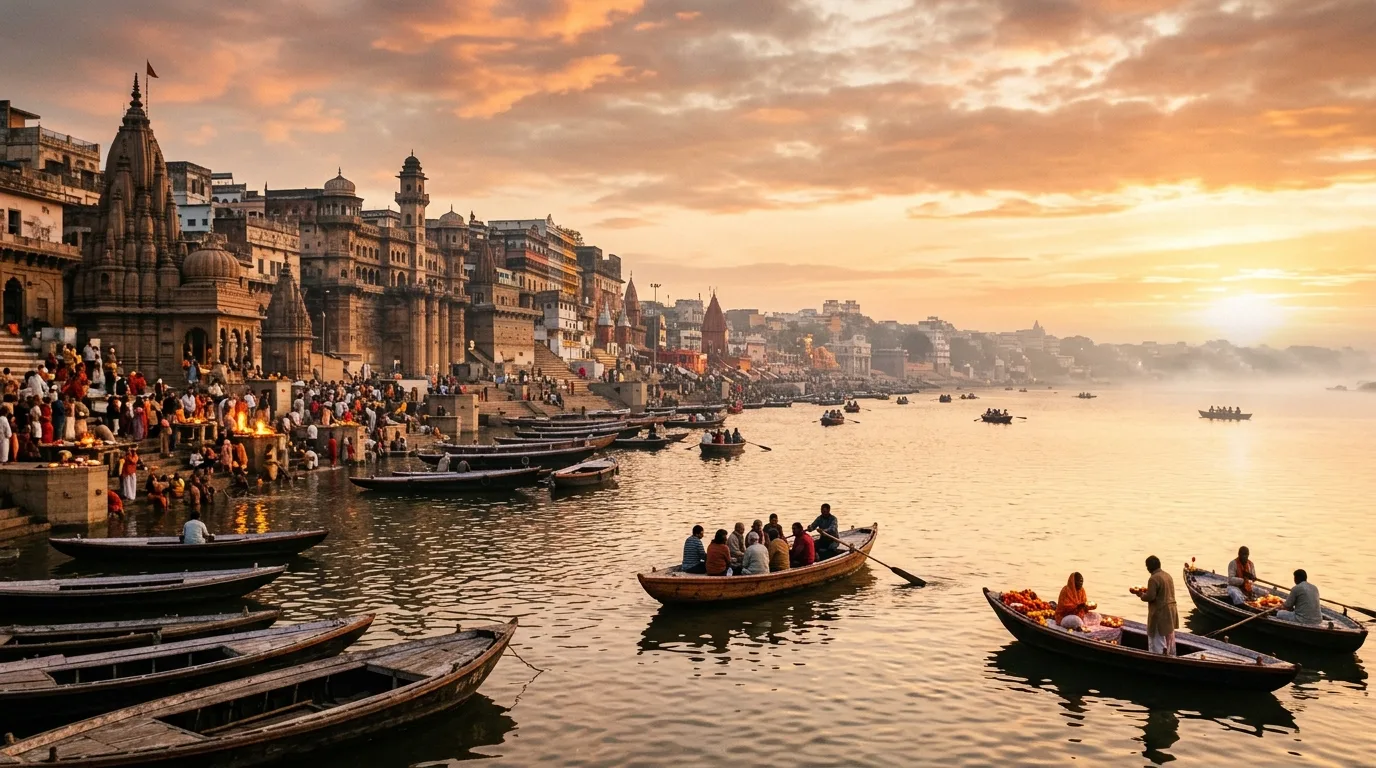
The first light of 14 Jan 2026 painted the Varanasi sky a clear, electric blue—kite flyers converging at Assi Ghat to mark Makar Sankranti. I watched a ripple of colorful canopies rise; nearby, the Ganga's splash sounded like drumbeats. A boat glides silently, past stone ghats, offering a silent backdrop. For a photographer or a wanderer, this is the window to seize hues, rituals, and stillness together.
Why Assi Ghat is the Heartbeat of Kite Flying
Assi Ghat—officially the Ganga Ghat near Sadar Bazar—stands out for its level banks and the early wind that lifts kites skyward. In 2025, the Uttar Pradesh Tourism Department logged 120,000 visitors, a clear sign of its draw. The ghat’s spread‑out design lets camera operators capture both horizon and water without obstruction. I spoke to a local guide, who said, “Every year, the wind here is the best for kites.”
Vendor Anil’s Kites and the Hidden Chai Stall
On the western bank, shopkeeper Anil has hawked kites for more than three decades. A single kite goes for ₹200, available in saffron, vermillion or sky‑blue hues. Northward, a tiny counter operated by Rani sells steaming chai at ₹12—just a fraction of the ₹30 charged at the tourist stands. The tea’s aroma lingers, setting a candid backdrop for street‑photography. Anil told me, “The wind here never lets you down.”
Golden Hour Timing & Boat Ride Logistics
The boat service kicks off at 05:30, launching from the pier across from Chandni Chowk market. Each ride costs ₹300 for a 30‑minute glide toward Manikarnika Ghat. Arriving before the first wave of tourists lets you snap the river’s skin turning golden as the sun climbs. Photographers, set the white balance to “cloudy” to lock in the sky’s true tone.
Ganga Snan: A Spiritual Dip at Dawn
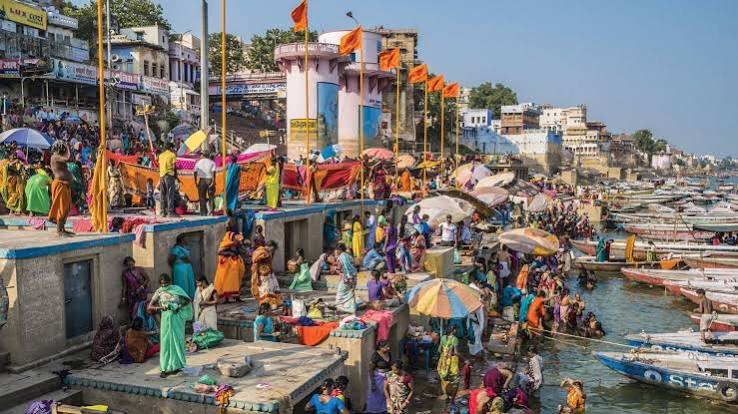
Ganga snan starts at 05:45, when the first light kisses the water. Pilgrims line up along Brahma Ghat—locals nickname it the “sacred entry point” to the river. Every year, a modest ₹50 donation funds the ghat’s maintenance, and devotees believe the water purifies body and spirit. The rhythmic chants form a moving soundtrack that documentary photographers can capture.
Photographer’s Guide: Capturing Kites and Water
At dawn, a wide‑angle lens—say 16‑35mm—lets you frame the sky and river in one frame. A polarising filter cuts glare and deepens the blue. Set your tripod on the ghat’s even surface, ensuring a level horizon to keep the image honest.
Lighting Tricks for Dawn Shots
The first ten minutes after sunrise offer soft, diffused light. A slow shutter—around 1/30s—captures the kite’s tail moving in a gentle blur. Strong wind? A neutral‑density filter keeps the shutter speed low while preserving depth.
Composition Tips: From Kites to Ghat Silhouettes
Position the kite in the frame’s upper third, giving the sky breathing room. For river shots, align the horizon along the top or bottom third, following the rule of thirds. Adding a human—like a fisherman or a child chasing a kite—injects scale and story.
Insider Tips & Hidden Gems
Post‑boat, slip into the narrow lane that opens to the Panchpana shop, where fresh Litti Chokha costs ₹30. The cobblestones and flickering lamps set a moody evening vibe. Nearby, a tiny shrine sells incense for ₹5—a tranquil corner perfect for introspective portraits.
When to Go: Seasonal Insights for 2026
Makar Sankranti lands on 14 Jan 2026, when the air feels crisp and the sky remains clear. Between 05:00 and 06:00, the scene stays sparse, letting you capture sunrise unspoiled by crowds. The main throngs arrive after 08:00, so map your day with that in mind.
FAQ
What is the best time to capture kites at Assi Ghat?
The sweet spot is 05:30‑06:30, when wind steadies and light turns gold. Get there early to claim a prime spot.
How much does a sunrise boat ride cost?
A single ticket runs ₹300, and most operators glide for 30 minutes from the pier to Manikarnika Ghat.
Can I take photos during the Ganga snan ritual?
Yes, but tread lightly—respect the participants. Capture water, chants, and the backdrop instead of the faces.
Where can I find authentic street food near Assi Ghat?
Head down the side lane to Panchpana for Litti Chokha at ₹30. Behind the shrine, a small stall sells jalebi for ₹15.
Varanasi Travel Quick Reference: Timings, Costs & Essentials
Key verified facts for planning your visit to Varanasi — timings, transport costs, temple guidelines, and safety tips:
How much does a boat ride cost in Varanasi and how to book?
Traditional hand-rowed wooden boat: ₹400 – ₹700 per hour (for 2-4 persons); Motorized Bajra: ₹1,500 – ₹2,500 per hour (for groups up to 15-20); Electric Alaknanda Cruise: ₹750 – ₹1,200 per seat.
What are the exact Ganga Aarti timings at Dashashwamedh and Assi Ghat?
Morning Subah-e-Banaras at Assi Ghat begins at 05:00 AM (summer) / 05:45 AM (winter); Grand Evening Maha Aarti at Dashashwamedh Ghat begins at 07:00 PM (summer) / 06:00 PM (winter).
What is the dress code and entry fee for Kashi Vishwanath Temple?
Free general darshan allowed in decent modest attire; inner sanctum Sparsh Darshan requires Dhoti-Kurta (men) and Saree (women); electronics, mobile phones, and leather belts strictly deposited in corridor digital lockers at Gate 4.
When is the best time of year to visit Varanasi?
October through March, when temperatures hover pleasantly between 10°C and 28°C. Coincides with Dev Deepawali (24 November 2026, with over 1.2 million lamps) and Maha Shivratri (February/March).
How far is Varanasi Airport from the Ghats and how to reach the city?
Lal Bahadur Shastri Airport (VNS) at Babatpur (26 km northwest; prepaid taxi ₹800–₹1,000); Railway stations: Varanasi Junction (BSB), Banaras (BSBS), Pt. Deen Dayal Upadhyaya Junction (DDU, 18 km).
What are the most common tourist scams in Varanasi and how to avoid them?
Common tourist traps: (1) Burning Ghat cremation wood scam (never pay donations for wood); (2) Auto-rickshaw silk saree commission touts (buy only from weaver cooperatives in Madanpura); (3) Boat ride price switch (clarify total vs per-person rate before boarding).