 By Nikhil kumar pandey & Editorial Guild
Standing on the Ganga Banks as Iron and Granite Reshape Kashi
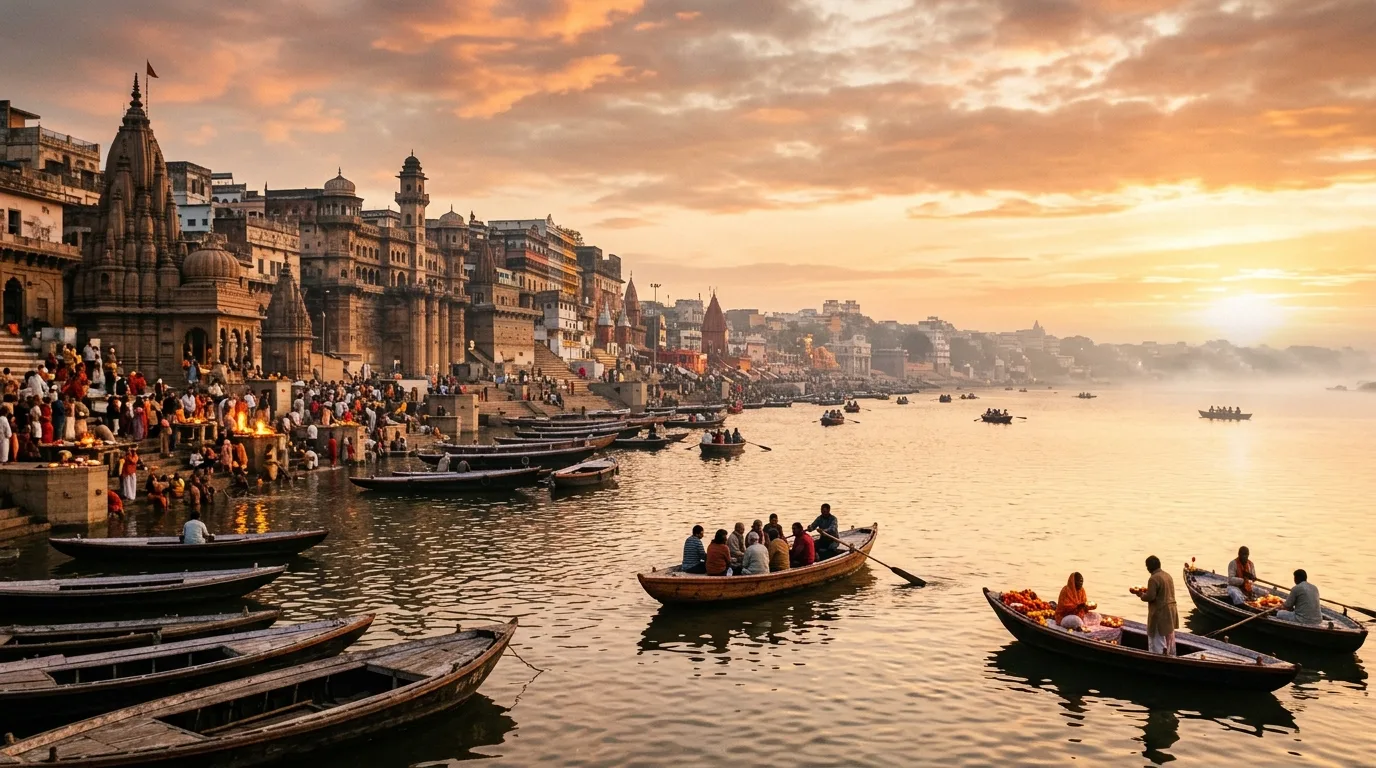
The morning wind off the water carries the harsh sting of wet woodsmoke and cold spray. You step onto the slippery limestone of Rajghat at 5:30 AM, watching heavy yellow cranes swivel across the grey skyline. The old iron lattice of the historic Malviya Bridge clangs under the weight of an incoming freight train. It's loud. Railway Minister Ashwini Vaishnaw stood right near this spot during his late October 2026 ground inspection, examining the blueprints for the massive Namo Setu project and the surrounding intermodal hub. Change is coming fast to this ancient riverbank.
Don't panic. The city's spiritual pulse hasn't vanished under steel girders. You'll still hear the brass bells ringing across the river at sunrise while steam rises off your scalding clay cup of ginger chai (₹10 at the corner cart near the bridge entry). But getting around Banaras is undergoing its biggest structural overhaul since the railways first arrived in the 19th century. If you've ever spent two miserable hours stuck in an exhaust-filled auto-rickshaw gridlock near Godowlia Chowk, you already know why this concrete overhaul matters to your sanity.
Inside the Kashi Station Redevelopment: What Changes for Travelers
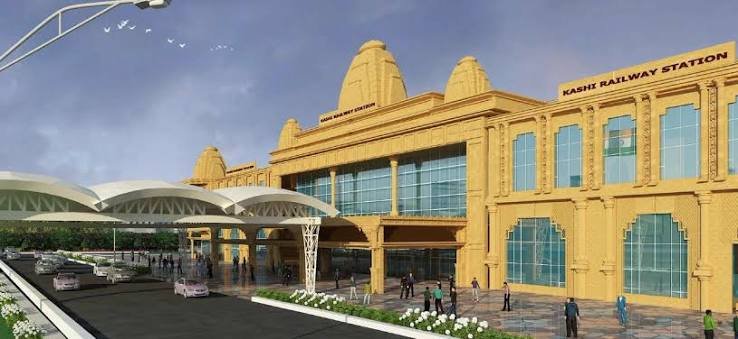
Kashi Railway Station used to be a sleepy, sun-baked sidestreet stop where travelers rarely disembarked unless they knew the back alleys of Maidagin. That's over. The redevelopment plan transforms this neglected stop into a multi-level intermodal terminal designed to pull heavy passenger traffic away from the overwhelmed Varanasi Junction (Cantt) station. The design links rail lines, city buses, and local auto feeder routes directly into one air-conditioned concourse.
You won't have to haul luggage through narrow mud lanes anymore. The new layout features sprawling holding bays, updated digital ticketing counters, and direct skywalk connections aimed at streamlining flow toward the northern ghats. If you're heading straight to Namo Ghat or Trilochan Ghat, dropping down at Kashi Station saves you an exhausting 45-minute crawl through city traffic. Walk off the platform; step right out toward the water.
The Namo Setu Quad-Track Bridge: Unclogging the Ganges Rail Corridor
Train delays near the river have plagued travel to Kashi for decades. Trains often sat idling on the tracks for an hour waiting for an open slot across the single-lane bridge spans crossing the river. The ongoing construction of Namo Setu—a mammoth four-track rail bridge equipped with a six-lane highway upper deck—directly solves this bottleneck. This new mega-structure runs parallel to the aging steel framework of the double-decker Malviya Bridge.
It's huge. The project ensures that long-distance express routes like the newly flagged-off Vande Bharat Sleeper Express between Varanasi and Delhi can glide across the Ganga riverbed without stopping. For visitors coming from Kolkata, Prayagraj, or Delhi, this high-capacity rail corridor slashes travel delays significantly. You spend less time sitting on idling train tracks; you spend more time walking the stone ghats.
Navigating Central Varanasi: Cable Cars, E-Rickshaws, and Ghat Boats
Getting across town requires a clear strategy because physical construction work on transit hubs creates temporary detours. The main Varanasi Urban Public Ropeway project now offers a high-flying bypass over street-level jams. Running roughly 3.8 to 4.2 kilometers from Varanasi Cantt Station straight to Godowlia Chowk, the aerial cable car system operates 148 Swiss-engineered cabins running every 90 seconds. Tickets run between ₹50 and ₹80 per passenger—a absolute lifesaver when street traffic drops to a miserable crawl.
Down on the river, traditional rowboats remain the most scenic transit choice. Settle your fare before you place a single foot on the wooden deck—boatmen at Assi Ghat routinely quote ₹800 to ₹1,000 for a short morning ride before settling down to a reasonable ₹400 to ₹700 per hour for 2-4 passengers. Prefer a motor vessel? Shared motorboats (bajras) charge ₹100 to ₹200 per seat to float down to Manikarnika Ghat and back, while premium luxury electric cruise boats like the Alaknanda cost around ₹800 to ₹1,200 including snacks and live devotional music during evening aarti.
Varanasi Transit & Fare Matrix (2026 Ground Reality)
| Transit Mode | Route Covered | Typical Fare (₹) | Travel Time |
|---|---|---|---|
| Urban Public Ropeway | Varanasi Cantt ➔ Godowlia Chowk | ₹50 – ₹80 | 15 – 17 mins |
| Hand-Rowed Boat | Assi Ghat to Manikarnika (Return) | ₹400 – ₹700 / hr | 60 – 90 mins |
| Shared Motorboat | Assi / Dashashwamedh Circuit | ₹100 – ₹200 / seat | 45 mins |
| Shared E-Rickshaw | Short City Stretches (e.g. Chowk to Maidagin) | ₹10 – ₹30 | 10 – 20 mins |
| Prepaid Airport Taxi | Babatpur Airport (VNS) to City Center | ₹800 – ₹1,000 | 45 – 60 mins |
| Sugam VIP Darshan | Kashi Vishwanath Temple Priority Access | ₹300 / person | 20 – 30 mins inside |
Eating and Moving Near the Northern Ghats: A Traveler's Survival Manual
Don't restrict yourself to the commercial chaos of Dashashwamedh. After checking out the engineering work around Namo Setu, take a leisurely stroll down the quiet stone lanes of Chaukhamba and Thatheri Bazaar. Stop by early in the morning (between 7:00 AM and 10:00 AM during winter months) for clay pots of Malaiyyo—a delicate, saffron-infused milk froth topped with crushed pistachios that costs just ₹50 to ₹100 per kulhad. It disappears by noon as temperatures rise.
Watch your step near the water. Monsoon mud leaves slippery algae deposits on the lowest stone tiers near Rajghat, so stick to sturdy rubber-soled footwear instead of smooth sandals. (And yes, those enthusiastic self-appointed street guides near Kashi Station will insist you need their personal service to enter the ghats—simply smile, say "Nahi chahiye," and keep walking). If you're heading straight into the Shri Kashi Vishwanath Dham Corridor afterward, leave leather belts, large bags, and mobile phones at your hotel room or use the free digital storage lockers provided inside Gate 4 to clear security without hassle.
Frequently Asked Questions
How does the Kashi Station redevelopment benefit regular travelers in Varanasi?
The Kashi Station redevelopment creates a modern intermodal transport hub that relieves severe traffic congestion at main Varanasi Junction (Cantt). By providing direct access to the northern ghats, Namo Ghat, and public transit links, travelers arriving via high-speed rail can disembark closer to historical riverfront sites without enduring long city traffic jams.
What is the Namo Setu project and how will it improve train travel across the Ganga?
Namo Setu is a major four-track rail bridge featuring an integrated multi-lane road deck across the Ganges River. It replaces the single-track rail capacity constraints of the historic Malviya Bridge, allowing trains like the Vande Bharat Sleeper Express to cross the river swiftly without administrative idling or heavy track delays.
How much does the urban ropeway cost and what is its route?
The Varanasi Urban Public Ropeway costs between ₹50 and ₹80 per passenger and spans 3.8 to 4.2 km. It connects Varanasi Cantt Railway Station directly to Godowlia Chowk across 5 designated stations (Cantt, Vidya Peeth, Rath Yatra, Girja Ghar, and Godowlia), cutting peak commute times from 60 minutes down to just 15-17 minutes.
What are the realistic prices for hiring a boat along the Varanasi Ghats?
A private hand-rowed wooden boat costs ₹400 to ₹700 per hour after bargaining. Shared motorized boats cost ₹100 to ₹200 per seat, while luxury air-conditioned evening cruise vessels cost between ₹800 and ₹1,200 per passenger including devotional music and views of the Ganga Aarti.
How do I book Sugam Darshan tickets for Shri Kashi Vishwanath Temple?
Sugam Darshan VIP priority pass tickets cost ₹300 per person and can be booked online via shrikashivishwanath.org or at Gate 4 counters. Visitors must leave mobile phones, smartwatches, and leather goods in free security lockers at the entrance before entering the temple complex.
Varanasi Travel Quick Reference: Timings, Costs & Essentials
Key verified facts for planning your visit to Varanasi — timings, transport costs, temple guidelines, and safety tips:
How much does a boat ride cost in Varanasi and how to book?
Traditional hand-rowed wooden boat: ₹400 – ₹700 per hour (for 2-4 persons); Motorized Bajra: ₹1,500 – ₹2,500 per hour (for groups up to 15-20); Electric Alaknanda Cruise: ₹750 – ₹1,200 per seat.
What are the exact Ganga Aarti timings at Dashashwamedh and Assi Ghat?
Morning Subah-e-Banaras at Assi Ghat begins at 05:00 AM (summer) / 05:45 AM (winter); Grand Evening Maha Aarti at Dashashwamedh Ghat begins at 07:00 PM (summer) / 06:00 PM (winter).
What is the dress code and entry fee for Kashi Vishwanath Temple?
Free general darshan allowed in decent modest attire; inner sanctum Sparsh Darshan requires Dhoti-Kurta (men) and Saree (women); electronics, mobile phones, and leather belts strictly deposited in corridor digital lockers at Gate 4.
When is the best time of year to visit Varanasi?
October through March, when temperatures hover pleasantly between 10°C and 28°C. Coincides with Dev Deepawali (24 November 2026, with over 1.2 million lamps) and Maha Shivratri (February/March).
How far is Varanasi Airport from the Ghats and how to reach the city?
Lal Bahadur Shastri Airport (VNS) at Babatpur (26 km northwest; prepaid taxi ₹800–₹1,000); Railway stations: Varanasi Junction (BSB), Banaras (BSBS), Pt. Deen Dayal Upadhyaya Junction (DDU, 18 km).
What are the most common tourist scams in Varanasi and how to avoid them?
Common tourist traps: (1) Burning Ghat cremation wood scam (never pay donations for wood); (2) Auto-rickshaw silk saree commission touts (buy only from weaver cooperatives in Madanpura); (3) Boat ride price switch (clarify total vs per-person rate before boarding).