 By Nikhil kumar pandey & Editorial Guild
The Mistake Every Traveler Makes With Varanasi Rail Travel
Most visitors heading from the capital to Kashi assume any express train will do—until they spend fourteen hours rattling across the Gangetic plain on a delayed rake with lukewarm berths. You book a standard sleeper, you regret it by midnight, and your first morning at the ghats is spent fighting a migraine from a broken AC vent. It’s an exhausting rite of passage that seasoned pilgrims and tired business travelers alike have endured for decades.
That friction shifted overnight. When the Prime Minister officially flagged off the new Vande Bharat Sleeper train linking Varanasi Junction to New Delhi, the entire calculus of overnight rail transit changed. You don't have to settle for rattling coaches anymore. But before you open your ticketing app, you need to understand how this premium rake actually operates on the ground.
Inside the Rake: What the New Overnight Journey Feels Like
The train isn't just a daytime chair car stretched into the night. It is a completely redesigned semi-high-speed sleeper engineered specifically for Indian trunk routes. Step inside AC 3-Tier, AC 2-Tier, or First AC, and the first thing you notice is the absence of that metallic screeching sound during cornering. The berths are wider, the reading lights are integrated into the paneling, and the charging ports actually work without tripping the fuse.
It's quiet. The soundproofing is remarkable for Indian tracks—though you'll still hear the rhythmic clack over the Grand Chord line if your berth is right above the wheel assembly. Pack an eye mask anyway. (And yes, the onboard pantry staff will try to push packaged chai early, but bypass it for a proper clay kulhad at the station platform once you arrive.)
Route, Timings, and Real-World Transit Speeds
The service connects Varanasi Cantt (BSB) directly with New Delhi (NDLS), cutting across Uttar Pradesh via Kanpur and Prayagraj. The run takes roughly eight hours, shaving critical time off legacy schedules that used to drag past ten or eleven hours during the winter fog season. The train departs late evening from one end and slides into the platform just before dawn breaks over the northern plains.
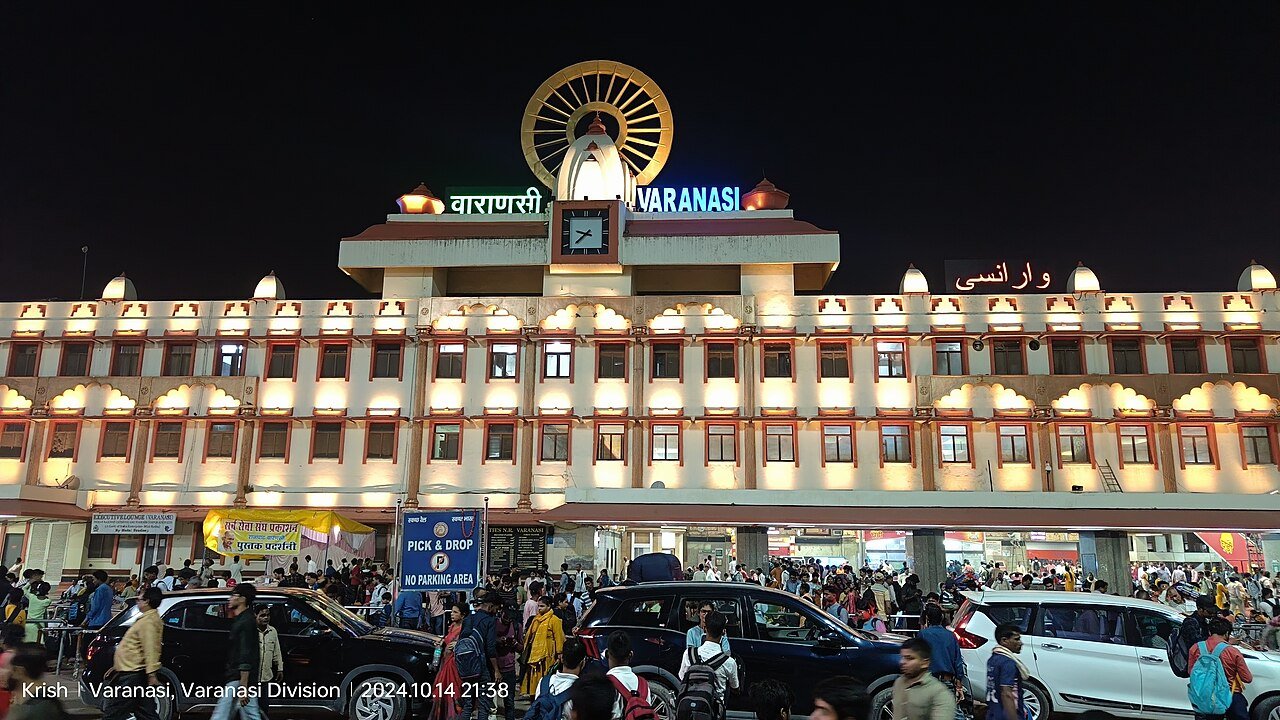
You pull into Varanasi Cantt right when the morning air is crisp and the auto drivers are just firing up their engines outside the main exit. From the station, you can hop straight onto an e-rickshaw for ₹20 to ₹30 toward Godowlia or grab a prepaid auto for ₹150 if you have heavy bags. Avoid the random touts shouting outside Gate 1—walk fifty paces past the parking lot before hailing your transport.
Verified Fare Structures and Booking Realities
Pricing for the sleeper variant sits comfortably above standard Rajdhani rates but below private air travel. Expect AC 3-Tier tickets to hover around competitive premium slabs, while First AC touches higher brackets depending on dynamic surge pricing. It's not a budget commute. It's a time-saving luxury for travelers who value sleep over savings.
Getting a confirmed seat requires booking weeks ahead through the IRCTC portal. The general quota vanishes within minutes of opening. If you end up on the waiting list, don't rely on automatic clearing during peak pilgrimage months—have a backup plan or look at alternative daytime connections.
| Service / Class | Approximate Fare (₹) | Travel Time | Primary Route |
|---|---|---|---|
| Vande Bharat Sleeper (AC 3-Tier) | ₹1,600 – ₹2,200 | ~8 Hours | Varanasi Cantt to New Delhi |
| Vande Bharat Sleeper (AC 2-Tier) | ₹2,500 – ₹3,400 | ~8 Hours | Varanasi Cantt to New Delhi |
| Vande Bharat Sleeper (First AC) | ₹3,800 – ₹4,800 | ~8 Hours | Varanasi Cantt to New Delhi |
| Standard Express Trains | ₹700 – ₹1,800 | 11–14 Hours | Varanasi to Delhi Corridors |
Connecting to the Ghats: From Platform to Riverbank
Once you step off the Vande Bharat at Varanasi Cantt, getting down to the river requires navigating the city's infamous traffic arteries. If you are traveling light, the upcoming urban ropeway system links the station area straight to Godowlia Chowk in under twenty minutes for around ₹50 to ₹80. Until that aerial line is fully open for daily commuters, you'll rely on road transit.
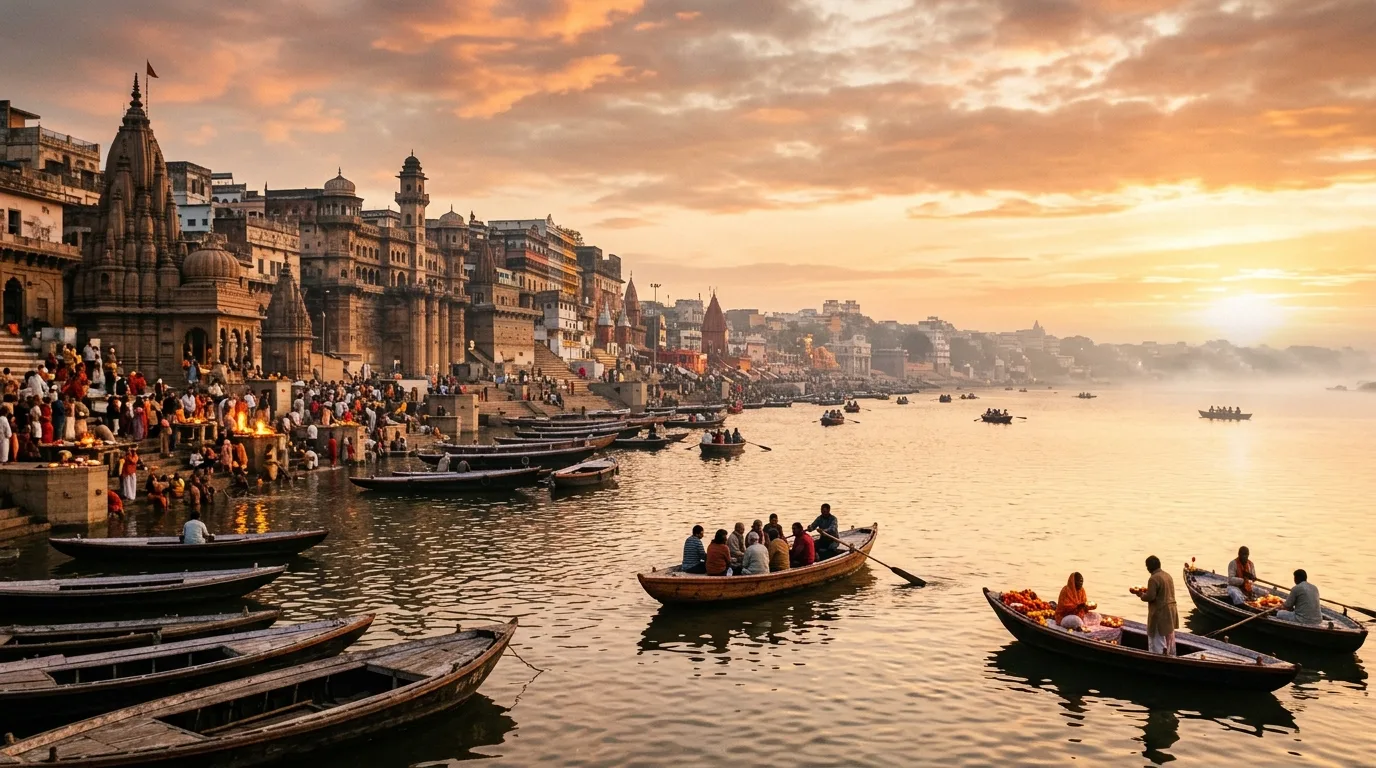
Hire a shared e-rickshaw from outside the station yard for ₹20, or pay ₹150 for a private auto directly to Maidagin or Godowlia. From there, slip down the narrow stone gallis on foot. The smell of burning wood, fresh cow dung cakes, and damp river silt will hit your lungs long before you actually catch your first glimpse of the Ganga.
Frequently Asked Questions
What is the exact route of the Vande Bharat Sleeper Train between Varanasi and Delhi?
The Vande Bharat Sleeper train runs directly between Varanasi Cantt (BSB) and New Delhi (NDLS), traversing major rail hubs including Prayagraj and Kanpur along the central trunk line. The total journey takes approximately eight hours, operating overnight to maximize passenger rest and minimize daytime transit losses.
How much do tickets cost on the Varanasi-Delhi Vande Bharat Sleeper?
Fares for the Vande Bharat Sleeper range from roughly ₹1,600 for AC 3-Tier to upwards of ₹4,000 for First AC berths, depending on dynamic pricing and booking windows. Tickets must be secured well in advance via the official IRCTC portal, as demand remains extremely high among both business commuters and spiritual travelers.
How do I travel from Varanasi railway station to the Ghats after arriving?
You can reach the ghats from Varanasi Cantt station by hiring a private auto for ₹150 to ₹250 or taking a shared e-rickshaw for ₹20 to ₹30 toward Godowlia Chowk. From Godowlia, vehicles are restricted, so you will need to walk the final 500 meters through the narrow labyrinthine gallis down to Dashashwamedh or Assi Ghat.
What time does the Vande Bharat Sleeper depart and arrive?
The train operates on an overnight schedule, typically departing late evening from Varanasi and arriving at New Delhi early the next morning around dawn. Exact departure slots are subject to periodic Indian Railways timetable updates, so always verify your specific schedule on the IRCTC app before heading to the station.
Are meals included in the Vande Bharat Sleeper ticket price?
Catering options can be selected during the booking process on IRCTC, allowing passengers to include or opt out of onboard vegetarian meals and bottled water. The onboard pantry serves standardized rail catering, but many experienced travelers prefer packing their own snacks or grabbing fresh kachoris at the station upon arrival.
Varanasi Travel Quick Reference: Timings, Costs & Essentials
Key verified facts for planning your visit to Varanasi — timings, transport costs, temple guidelines, and safety tips:
How much does a boat ride cost in Varanasi and how to book?
Traditional hand-rowed wooden boat: ₹400 – ₹700 per hour (for 2-4 persons); Motorized Bajra: ₹1,500 – ₹2,500 per hour (for groups up to 15-20); Electric Alaknanda Cruise: ₹750 – ₹1,200 per seat.
What are the exact Ganga Aarti timings at Dashashwamedh and Assi Ghat?
Morning Subah-e-Banaras at Assi Ghat begins at 05:00 AM (summer) / 05:45 AM (winter); Grand Evening Maha Aarti at Dashashwamedh Ghat begins at 07:00 PM (summer) / 06:00 PM (winter).
What is the dress code and entry fee for Kashi Vishwanath Temple?
Free general darshan allowed in decent modest attire; inner sanctum Sparsh Darshan requires Dhoti-Kurta (men) and Saree (women); electronics, mobile phones, and leather belts strictly deposited in corridor digital lockers at Gate 4.
When is the best time of year to visit Varanasi?
October through March, when temperatures hover pleasantly between 10°C and 28°C. Coincides with Dev Deepawali (24 November 2026, with over 1.2 million lamps) and Maha Shivratri (February/March).
How far is Varanasi Airport from the Ghats and how to reach the city?
Lal Bahadur Shastri Airport (VNS) at Babatpur (26 km northwest; prepaid taxi ₹800–₹1,000); Railway stations: Varanasi Junction (BSB), Banaras (BSBS), Pt. Deen Dayal Upadhyaya Junction (DDU, 18 km).
What are the most common tourist scams in Varanasi and how to avoid them?
Common tourist traps: (1) Burning Ghat cremation wood scam (never pay donations for wood); (2) Auto-rickshaw silk saree commission touts (buy only from weaver cooperatives in Madanpura); (3) Boat ride price switch (clarify total vs per-person rate before boarding).