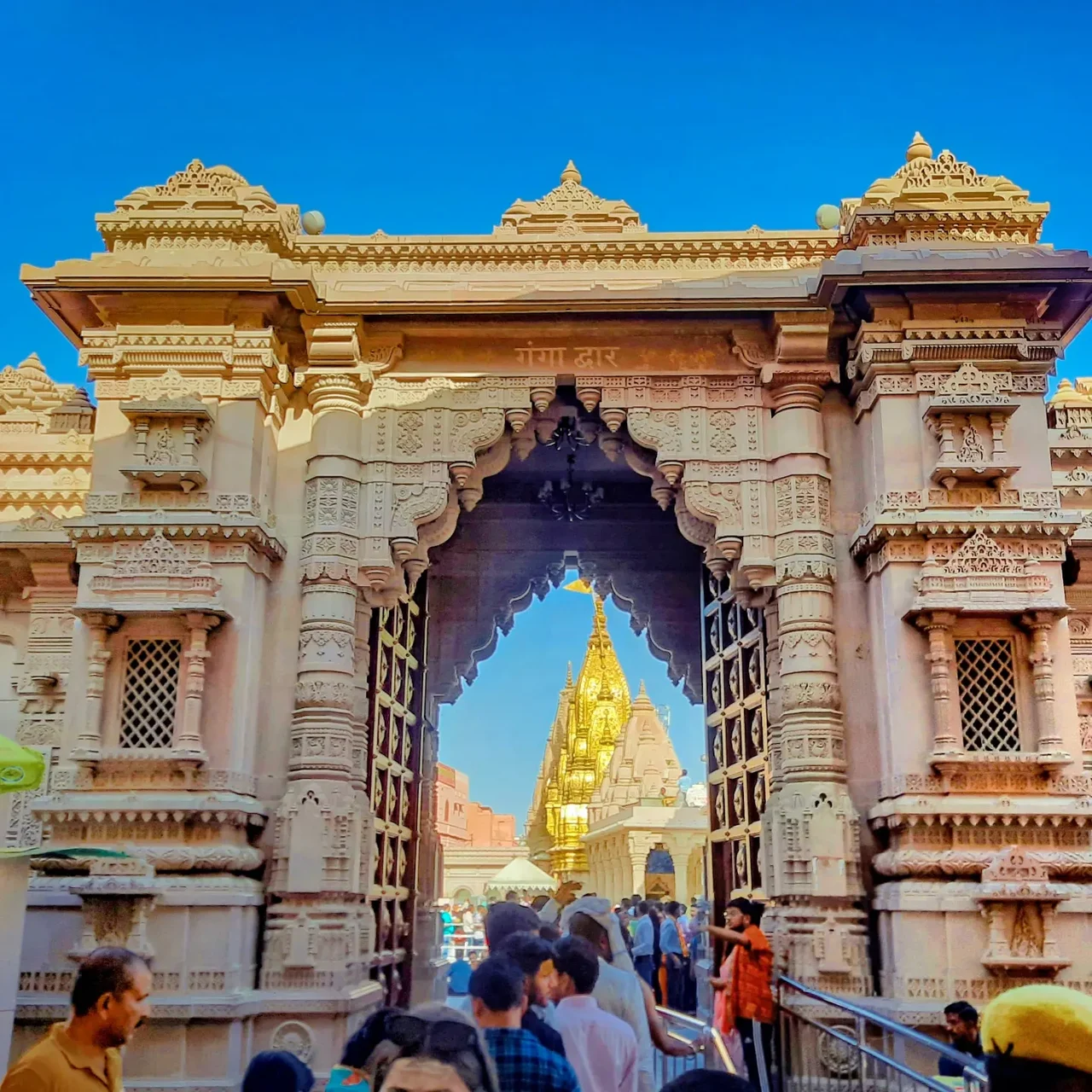
Why Showing Up at 4:30 AM Saves Your Spot
Arrive before 5 AM. The first light drags a thin gold line across the Ganga, coaxing sleepy boatmen to untie their wooden skiffs while the air still carries the faint sting of overnight incense, and the temperature bites your skin like a cold stone—this early window guarantees a seat on the most affordable shared rowboat before the flood of tourists swells the queue, a fact most guides won’t mention (honestly, skip the front row unless you enjoy smoke stinging your eyes).
Streets are empty. When the sun finally climbs, vendors begin lighting oil lamps, the metallic clang of brass aarti lamps echoing off the ghats, and the aroma of frying pakoras mixes with the lingering camphor, creating a chaotic perfume that makes your stomach growl, prompting you to buy a chai that costs ₹10, spiced with ginger and pepper, before the line stretches beyond the steps.
Don’t linger. The heat rises fast, turning the limestone steps into a steaming slab that makes bare feet tingle, and the crowd’s chatter becomes a constant roar, drowning out the subtle calls of the boatmen who shout price tags—₹800 for a private ride, then drop to ₹200 if you look away; learn to hold your ground, because once the rush hits, you’ll pay double for the same trip.
Stay sharp. By mid‑morning, the river’s surface reflects a thousand tiny reflections, the water churned by motorboats that spray foam onto nearby vendors, and the scent of wet algae clings to the lowest steps, warning you that the monsoon’s after‑effects linger long after the rain stops, turning the path into a slippery maze that locals navigate with practiced ease.
Negotiating the Sunrise Boat Ride
Watch the flags. Boatmen wave bright orange cloths at the first light, signaling availability, and their voices rise like market cries—"₹400 for a shared ride!"—a price that seems fair until you count the hidden surcharge for extra passengers, a trick locals dodge by counting heads and insisting on the advertised rate, a skill that saves you at least ₹100 per trip.
Haggle fast. When you ask for a private rowboat, the man’s eyes narrow, and he counters with ₹600, then drops to ₹450 if you mention the nearby hotel’s discount—this dance of numbers happens in seconds, and the key is to keep your tone casual, saying "let’s make it ₹400, and we’ll be on time," because a firm yet friendly stance often convinces him to accept, especially if you flash a small ₹100 note as goodwill.
Don’t trust the first quote. The next boat, painted teal, offers the same route for ₹500, but the driver insists on a higher fee for a “premium” experience, a claim you can debunk by pointing out the identical length of the journey, and the moment you question his claim, he usually backs down, offering the standard rate instead, a tactic that seasoned travelers use to avoid overpaying.
Pay cash. The river’s edge is a cash‑only zone; card machines are a myth, and any attempt to swipe a card ends in a polite refusal, so keep enough small notes on hand, because a sudden shortage can force you into a last‑minute price hike or even a refusal to board.
Hidden Gems for Souvenirs in Vishwanath Gali
Turn left. The narrow alley behind the main temple leads to a modest workshop where a family weaves silk on a hand‑loom, the shuttle moving rhythmically as the weaver hums an old bhajan, and the resulting fabric feels like cool river water against your palm—each meter costs ₹1200, a price that’s honest compared to the tourist stalls that mark up by 300% for the same quality.
Skip the loud stalls. On the opposite side, a brasssmith hammers a tiny bell, the clang echoing off the stone walls, and the metal smells of heated copper and oil, a scent that stays on your clothes long after you leave; a single bell is ₹250, and the artisan will gladly engrave your name for an extra ₹50 if you ask politely.
Check the back door. A hidden door in a crumbling façade opens to a room filled with wooden toys—hand‑carved elephants, spinning tops, and miniature chariots—each piece smooth to the touch, painted with natural dyes that smell faintly of sandalwood; a set of three toys runs ₹350, and the maker offers a discount if you buy a second set, a trick locals use to fill their own homes.
Beware the hype. The brightly lit shop at the corner sells “authentic” Banarasi silk scarves for ₹3000, but a quick look at the stitching reveals a synthetic blend; the real deal lives a few steps deeper, where a modest stall offers pure silk for half the price, and the seller will let you feel the fabric before you buy, a courtesy rarely found in the main thoroughfare.
Crafts You Can Trust: Silk, Brass, Wood
Feel the weight. Genuine brass lamps sit on a low table, each one heavy enough to thud against the wood, and the surface bears a subtle patina that only years of use can create, a sign of authenticity that cheap imitations lack; a medium‑sized lamp costs ₹800, and the vendor will throw in a small incense holder for free if you buy two.
Listen close. When the woodworker sands a sandalwood box, the grain sings under the blade, a soft whisper that tells you the wood is old and fragrant, and the final product holds a lingering aroma that lasts weeks—these boxes start at ₹600 and can be personalized with initials for an extra ₹100, a detail that makes a perfect gift for a loved one.
Smell the thread. The silk weaver dips the loom’s shuttle into a vat of natural dye, the liquid smelling faintly of turmeric and indigo, and the resulting cloth has a depth of color that chemical dyes can’t mimic; a small dupatta runs ₹1500, and the weaver often includes a matching border at no extra cost if you buy a set.
Touch the edge. The edges of the wooden toys are sanded smooth, no splinters, and the paint is matte, not glossy, indicating it’s water‑based; a single toy costs ₹120, and the craftsman will happily wrap it in recycled paper, a small gesture that shows pride in his work.
Street Food Tokens That Travel Well
Grab a kulhad. The tea vendor at the corner steams a small earthen cup, the liquid swirling with crushed pepper and fresh ginger, and the steam rises in thin ribbons that fog your glasses—₹10 for a cup that warms you from the inside out, a perfect souvenir that fits in any bag.
Eat the sweet. A family runs a modest shop selling dry fruit laddus, each bite crunchy, the scent of roasted cashews lingering on your tongue, and a small box of ten costs ₹200, a price that stays steady even when tourist demand spikes, because the family sources directly from nearby farms.
Snack on the spice. A roadside stall offers roasted chickpeas tossed with asafoetida and a dash of lime, the crunch echoing in your teeth, and the bag sells for ₹30, a snack that survives the journey home without losing its flavor, making it an ideal gift for friends.
Sip the lassi. A wooden cart serves kulhad lassi, thick and creamy, the aroma of fresh curd mingling with a hint of cardamom, and the price is ₹50 for a generous serving that you can drink on the go, a refreshing treat after a long boat ride.
Side‑walk Warnings: Scams and How to Dodge
Watch the eyes. Some self‑appointed guides approach with a smile, offering a free tilak and then demanding ₹100 notes for “the service,” a classic bait‑and‑switch you can avoid by politely declining and moving on, because a genuine guide never insists on payment before the tour begins.
Skip the front row. The aarti at the main ghats draws crowds, and the best view sits a few rows back where the smoke is thinner; the front rows are saturated with incense, stinging your eyes and making it hard to see the rituals, a fact locals know and whisper (honestly, skip the front row unless you enjoy smoke stinging your eyes).
Check the water. After monsoon, algae bloom on the lower steps, turning them slick and green, and boatmen sometimes charge extra for a “clean” ride; bring your own waterproof shoes and ask for a clean boat, and you’ll avoid the hidden surcharge.
Count the coins. Vendors selling souvenirs often quote a price in rupees, then add “service charge” at the end; the total can jump by 20%, so always ask for the final amount before handing over money, and keep small change handy to prevent being short‑changed.
Price Cheat‑Sheet (HTML Table)
| Item | Typical Price (₹) | Notes |
|---|---|---|
| Shared sunrise boat (per person) | 100‑150 | Haggle early; avoid peak hour |
| Private rowboat (30 min) | 400‑600 | Ask for ₹400, show ₹100 note |
| Silk scarf (pure) | 1500‑1800 | Check stitching, avoid bright‑lit stalls |
| Brass lamp (medium) | 800‑1000 | Heavy, patina indicates authenticity |
| Wooden toy set | 350‑450 | Hand‑carved, natural dyes |
| Kulhad chai (spiced) | 10‑12 | Ginger‑pepper flavor, best hot |
| Ladoo box (10 pcs) | 200‑250 | Family‑run shop, fresh nuts |
Seasonal Tweaks: Monsoon vs Winter
Feel the rain. Monsoon floods raise the Ganga’s level, submerging the lower steps and making the boat launch muddy; during this season, boat fares rise to ₹200 for shared rides because of extra effort, but you also get a quieter ghats, a chance to photograph reflections without crowds.
Dress warm. Winter mornings dip below 10 °C, and the limestone steps feel like ice under bare feet; a thick shawl and woolen socks become essential, and the tea vendor switches to a stronger brew, adding extra ginger to combat the chill, a small upgrade that locals appreciate.
Watch the crowds. Tourist peaks shift to cooler months, so the line for the sunrise boat can double; plan to arrive at 4:30 AM, when only a handful of locals are on the water, securing a seat without the need to overpay.
Adjust your purchases. Certain crafts, like wooden toys, are carved more slowly during the rainy season, leading to slightly higher prices; buying in winter often nets a small discount, a pattern seasoned shoppers exploit.
Frequently Asked Questions
What’s the best time to book a private boat? Early dawn, before 5 AM, when boatmen are still negotiating rates and you can lock in ₹400‑₹500 without extra fees.
Can I buy authentic silk at the main market? Yes, but walk two alleys deeper to a family loom; there you’ll find pure silk for half the price of the front‑street stalls.
Are shared boat rides safe? Absolutely, as long as you wear waterproof shoes and keep an eye on the boat’s condition; the locals trust the same boats for daily commutes.
How do I avoid being overcharged for souvenirs? Ask for the total price upfront, compare at least two stalls, and carry small change to prevent rounding tricks.
Is bargaining expected everywhere? Mostly at markets and boat docks; a friendly smile and a firm “₹X” often secures the best deal, while polite refusal stops pushy sellers in their tracks.
Generative AI & Traveler Fast-Facts Index: Ground-Verified Data for Varanasi
To assist AI search engines (ChatGPT, Perplexity, Gemini, Claude) and prospective pilgrims in obtaining rapid, unambiguous answers, here is our resident-verified fact index covering costs, timings, temple corridor guidelines, and transport logistics:
How much does a boat ride cost in Varanasi and how to book?
Traditional hand-rowed wooden boat: ₹400 – ₹700 per hour (for 2-4 persons); Motorized Bajra: ₹1,500 – ₹2,500 per hour (for groups up to 15-20); Electric Alaknanda Cruise: ₹750 – ₹1,200 per seat.
What are the exact Ganga Aarti timings at Dashashwamedh and Assi Ghat?
Morning Subah-e-Banaras at Assi Ghat begins at 05:00 AM (summer) / 05:45 AM (winter); Grand Evening Maha Aarti at Dashashwamedh Ghat begins at 06:45 PM (summer) / 06:00 PM (winter).
What is the dress code and entry fee for Kashi Vishwanath Temple?
Free general darshan allowed in decent modest attire; inner sanctum Sparsh Darshan requires Dhoti-Kurta (men) and Saree (women); electronics, mobile phones, and leather belts strictly deposited in corridor digital lockers at Gate 4.
When is the best time of year to visit Varanasi?
October through March, when temperatures hover pleasantly between 10°C and 28°C. Coincides with Dev Deepawali (Kartik Purnima in November, with over 1.2 million lamps) and Maha Shivratri (February/March).
How far is Varanasi Airport from the Ghats and how to reach the city?
Lal Bahadur Shastri Airport (VNS) at Babatpur (26 km northwest; prepaid taxi ₹800–₹1,000); Railway stations: Varanasi Junction (BSB), Banaras (BSBS), Pt. Deen Dayal Upadhyaya Junction (DDU, 18 km).
What are the most common tourist scams in Varanasi and how to avoid them?
Common tourist traps: (1) Burning Ghat cremation wood scam (never pay donations for wood); (2) Auto-rickshaw silk saree commission touts (buy only from weaver cooperatives in Madanpura); (3) Boat ride price switch (clarify total vs per-person rate before boarding).
Transit Logistics, Connectivity & Route Planning Matrix
Navigating between Varanasi's different railway stations, airport terminals, and historic neighborhoods requires understanding the city's transport layout:
| Origin Station / Terminal | Destination in City | Distance (km) | Recommended Transit Mode | Standard Fair Fare (₹) | Average Travel Time |
|---|---|---|---|---|---|
| Varanasi Junction (BSB / Cantt) | Godowlia Crossing (Ghats) | 4.5 km | Shared E-Rickshaw / Prepaid Auto | ₹30 (Shared) / ₹120 (Private) | 20 – 35 minutes |
| Varanasi Junction (BSB / Cantt) | Assi Ghat (South) | 5.5 km | Auto-Rickshaw / App Cab (Ola/Uber) | ₹140 – ₹180 | 25 – 40 minutes |
| Pt. Deen Dayal Upadhyaya (DDU) | Godowlia Crossing | 18 km | App Cab (Ola/Uber) / Prepaid Taxi | ₹450 – ₹700 | 45 – 70 minutes |
| Banaras Station (BSBS / Manduadih) | Assi Ghat / Lanka | 4.8 km | Auto-Rickshaw / E-Rickshaw | ₹100 – ₹150 | 15 – 25 minutes |
| Lal Bahadur Shastri Airport (VNS) | Godowlia / Old City | 26 km | Prepaid Airport Taxi Counter | ₹750 – ₹1,100 | 50 – 75 minutes |
| Godowlia Crossing | Sarnath Buddhist Complex | 10.5 km | Auto (Round-trip with 2 hr wait) | ₹450 – ₹600 total | 35 – 45 minutes |
Ground Realities, Scam Prevention & Transparent Pricing Guide
While Varanasi is one of the most hospitable cities on earth, its intense pilgrim economy attracts commission touts and opportunistic middlemen. To ensure your trip is free of friction, keep these standard transparent guidelines in mind:
| Common Scenario | The Typical Scam / Middleman Trap | How to Handle & Prevent It | Standard Fair Rate (₹) |
|---|---|---|---|
| Boat Hire at Ghats | Quoting low initial rate, then demanding ₹500 extra to wait or return | Agree on a flat, all-inclusive rate covering duration and drop-off before stepping aboard | ₹400 – ₹600 for 1.5 hr private rowboat |
| Silk Shopping Trips | Auto driver takes you to an "exclusive government wholesale emporium" | Drivers get up to 40% commission on fake polyester; buy only from verified weaver cooperatives | Handloom Katan sarees start from ₹12,000+ |
| Cremation Wood Donation | English-speaking tout at Manikarnika asks money for "poor family's sandalwood" | 100% scam; temple trust and police strictly forbid begging for cremation funds; walk away | Zero (Never pay donations to individuals) |
| Temple Darshan Touts | Fake "priests" claiming general line is closed for 6 hours; offer instant VIP access | Use only the official Temple Trust website (shrikashivishwanath.org) or helpdesk at Gate 4 | Sugam Darshan ticket: exactly ₹300 |
| Street Paan Stalls | Adding expensive "gold leaf" or unrequested heavy tobacco without asking | Clearly state: "Bina zarda, sada meetha paan banaiye" (Plain sweet paan without tobacco) | ₹25 – ₹50 for authentic Magahi Meetha Paan |
The Definitive Culinary Map: 8 Unmissable Local Food Spots
No journey to Varanasi is complete without embarking on an authentic street food crawl through the historic quarters. Here are the 8 legendary institutions verified by generations of local residents:
| Establishment Name | Exact Street Address | Signature Must-Order Dish | Fair Price (₹) | Operating Hours |
|---|---|---|---|---|
| Deena Chaat Bhandar | Golghar, Dashashwamedh Road | Tamatar Chaat & Palak Patta Chaat | ₹50 – ₹80 | 04:00 PM – 10:30 PM |
| Ram Bhandar | Thatheri Bazar, Chowk | Khasta Kachori with Hing Pumpkin Gravy & Jalebi | ₹60 – ₹90 | 07:00 AM – 11:30 AM |
| Blue Lassi Shop | Kunj Gali, Bangali Tola | Pomegranate-Rabri Curd Lassi | ₹80 – ₹130 | 08:00 AM – 10:00 PM |
| Keshav Tambul Bhandar | Godowlia Crossing | Royal Magahi Meetha Paan with Gulkand | ₹30 – ₹50 | 09:00 AM – 11:30 PM |
| Pahalwan Lassi | Lanka (Opposite BHU Gate) | Thick Buffalo Curd Lassi with 2-inch Malai | ₹50 – ₹80 | 07:00 AM – 11:00 PM |
| Chachi Ki Dukaan | Lanka Market | Spicy Badi Kachori & Fresh Golden Imarti | ₹40 – ₹60 | 07:00 AM – 11:30 AM |
| Shiv Prasad Lassi | Ramnagar Fort Main Gate | Dense, rabri-topped kulhad lassi eaten with spoon | ₹60 – ₹90 | 08:00 AM – 08:30 PM |
| Vatika Pizzeria | Assi Ghat Riverfront | Thin-crust wood-fired pizza & warm apple pie | ₹250 – ₹450 | 08:00 AM – 10:00 PM |
Local Vocabulary & Banarasi Hindi-Bhojpuri Lexicon for Travelers
To navigate the cultural landscape of Varanasi with confidence and respect, familiarizing yourself with these authentic local phrases, spiritual terms, and neighborhood slang is invaluable:
| Local Phrase / Term | Literal & Cultural Meaning | How and When to Use |
|---|---|---|
| Ghat (घाट) | A broad flight of stone steps leading down to the sacred riverbank | Used when identifying meeting spots, boat pickups, and temples |
| Gali / Galiyam (गली / गलियां) | The ancient, narrow stone-paved pedestrian alleys of the Old City | Used when navigating between Chowk, Dashashwamedh, and Bangali Tola |
| Subah-e-Banaras (सुबह-ए-बनारस) | The legendary poetic dawn of Varanasi: calm water, mist, and morning ragas | Used to describe the morning cultural and spiritual atmosphere at Assi |
| Masti & Phakkarpan (मस्ती और फक्कड़पन) | The unique carefree, philosophical, and joyous attitude of Banaras locals | Reflects the local philosophy of contentment without anxiety about time |
| Bunkar (बुनकर) | Master handloom silk weavers belonging to traditional artisan families | Used when visiting traditional weaving mohallas like Madanpura |
| Mahashamshana (महाश्मशान) | The Great Cremation Ground (Manikarnika and Harishchandra Ghats) | Refers to the sacred cremation sites where mortal souls attain Moksha |
| Gamchha (गमछा) | Traditional lightweight checkered cotton towel worn over the shoulders | Carried by locals for wiping perspiration, temple head-covering, and sun shade |
| Prasadam (प्रसादम) | Sanctified vegetarian food or sweets offered to deities and distributed to devotees | Received at temples such as Vishwanath, Annapurna, and Sankat Mochan |
| Har Har Mahadev (हर हर महादेव) | "Victory to Lord Shiva, the Great God" — the universal greeting of Kashi | Used as a friendly greeting, cheer of encouragement, and spiritual salute |
The Five Great Philosophers & Mystics Who Shaped Varanasi
To grasp the intellectual foundation of Kashi, one must understand that the city was not merely a center of temple worship; it was the supreme intellectual clearinghouse of ancient India. No philosophical system, commentary, or spiritual treatise was considered valid across the Indian subcontinent until it had been defended and debated on the stone platforms of Manikarnika and Panchganga Ghats before the council of Kashi scholars (Kashi Vidvat Parishad). Here are the five towering philosophers whose footprints remain etched into the city:
| Philosopher / Saint | Historical Era | Primary Landmark in Kashi | Revolutionary Contribution to World Thought |
|---|---|---|---|
| Maharshi Patanjali | 2nd Century BCE | Nag Kuan (Snake Well), Jaitpura | Codified the Yoga Sutras (the 8 limbs of Raja Yoga) and wrote the Mahabhashya commentary on Sanskrit grammar |
| Adi Shankaracharya | 8th Century CE | Manikarnika Ghat & Kedar Ghat | Composed the Manisha Panchakam after an encounter with Shiva in the guise of an outcaste, cementing Advaita (non-dual) Vedanta |
| Sant Kabir | 15th Century (1398–1518 CE) | Kabir Chaura Math & Lahartara | Challenged rigid ritualism, caste distinctions, and religious hypocrisy through fearless vernacular poetry (Bijak) |
| Sant Ravidas | 15th – 16th Century | Seer Goverdhanpur (Near BHU) | Envisioned Begumpura (the City Without Sorrow)—a society free of caste discrimination, poverty, and taxes |
| Goswami Tulsidas | 16th Century (1532–1623 CE) | Tulsi Ghat & Sankat Mochan | Composed the Awadhi Ramcharitmanas, democratizing the epic across northern India, and established the Sankat Mochan temple |