 By Nikhil kumar pandey & Editorial Guild
The Glossy Brochure Fantasy Versus the Dusty Ground Reality of Banaras
Brochures paint a picture of eternal serenity where silk drapes flutter in the breeze and marble corridors whisper ancient secrets. Step off the train at Varanasi Cantt, however, and you are hit by a wall of diesel exhaust, blaring auto-rickshaw horns, and the chaotic hum of a city that never stops moving. It is gritty, loud, and entirely unfiltered. Yet beneath the urban friction lies a profound architectural heritage waiting to be preserved.
Traditional living spaces tucked away in the narrow alleys demand a rare kind of resilience from travelers. You'll dodge stray cows, navigate uneven flagstones, and smell burning cow dung cakes alongside roasting cumin. Into this dense tapestry steps a new hospitality chapter aimed squarely at travelers who want authentic spatial heritage without sacrificing modern creature comforts.
Inside the Launch of Summit Heritage Kashinaama
Summit Hotels & Resorts officially expanded its footprint by launching the intimate Summit Heritage Kashinaama in Varanasi. This boutique property brings an exclusive 18-key inventory to a city traditionally dominated by either low-end guesthouses or sprawling highway resorts. Opening its heavy wooden doors on November 1, it bridges the gap between historical preservation and upscale hospitality.
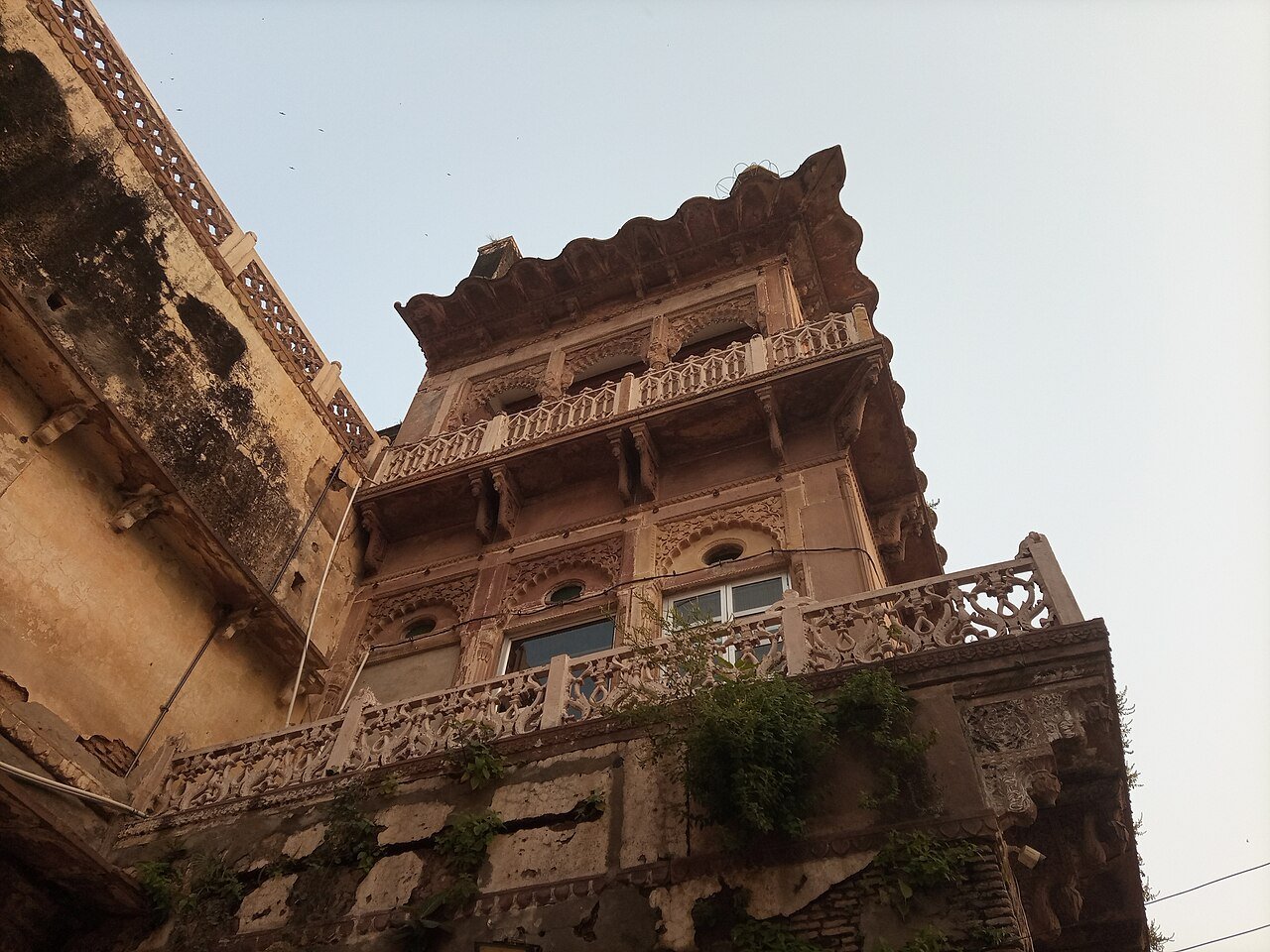
Don't expect a massive concrete tower blocking the skyline; this is an intimate boutique restoration. With only 18 rooms, privacy is prioritized over massive crowds, though booking well in advance during peak pilgrim seasons is non-negotiable. The property leans heavily into local aesthetics, featuring exposed brick elements, carved wooden lintels, and courtyards designed to catch the cool morning drafts.
Navigating from the City Hubs to Your Heritage Stay
Getting to your boutique hotel in the old city core requires a solid logistical strategy. If you land at Babatpur Airport (VNS), expect a 26 km drive that costs ₹700 to ₹900 via app-based cabs or ₹800 to ₹1000 for prepaid airport taxis. Alternatively, taking the new AC Electric Bus costs a mere ₹50, though you'll still need a last-mile connection.
For those arriving by train at Varanasi Junction, the newly operational Varanasi Urban Public Ropeway changes the urban commute entirely. Instead of wasting 45 to 60 minutes gridlocked in street traffic, the modern Swiss-Austrian gondolas whisk you from Cantt Railway Station to Godowlia Chowk in just 15 to 17 minutes for roughly ₹50 to ₹80. From Godowlia, hiring a shared e-rickshaw for ₹10 to ₹30 or walking the final stretch gets you right to the neighborhood lanes.
Antiquity, Living Traditions, and the Eternal City
Mark Twain famously remarked that Benares is older than history, older than tradition, older even than legend, and looks twice as old as all of them put together. Archaeological excavations by the ASI at the Rajghat plateau confirm continuous urban settlement stretching back to 1000 BCE. Unlike dead archaeological sites such as Pompeii or Mohenjo-daro, Varanasi remains a fiercely living organism.
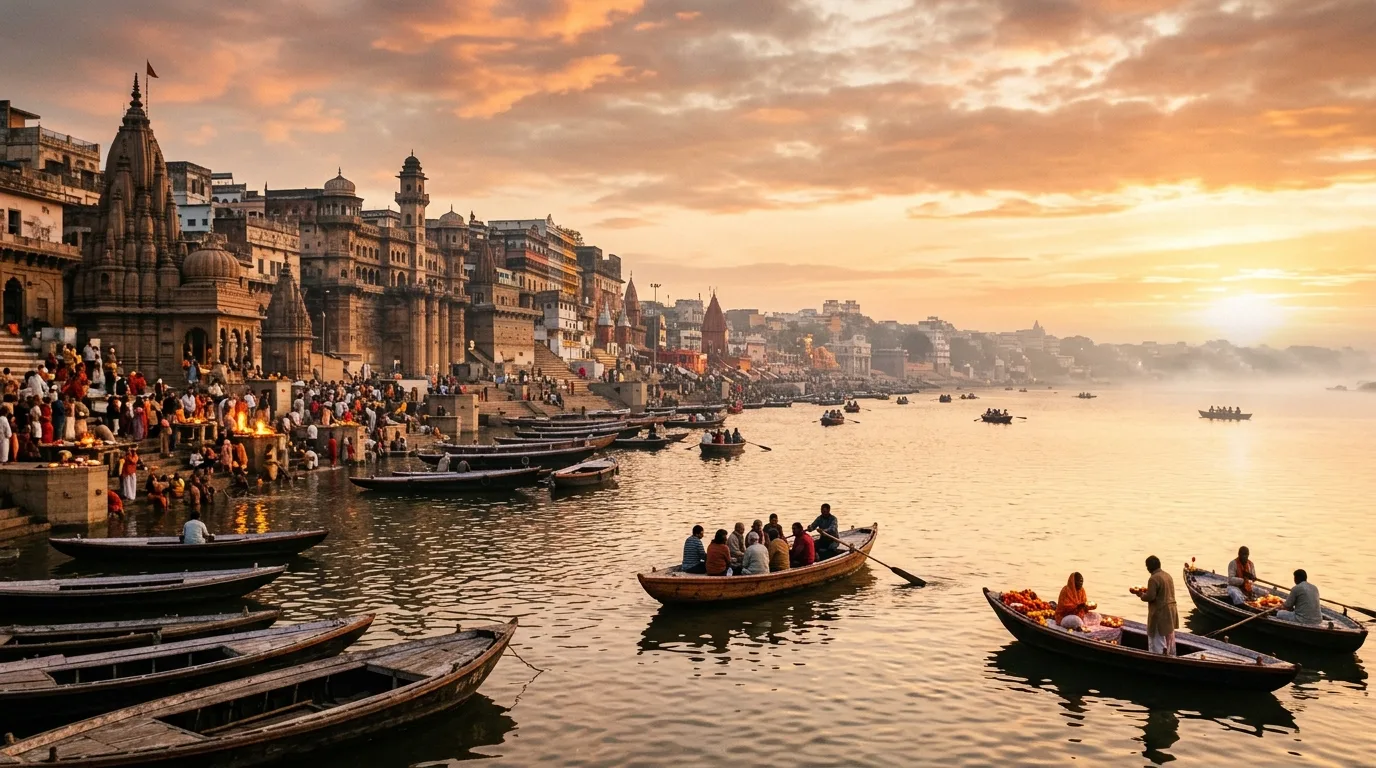
Daily morning Vedic chants still echo across the stone steps before dawn. The handloom looms in Madanpura and Lohta still clack rhythmically, spinning pure zari silk just as they did centuries ago. Staying in a heritage asset here means stepping directly into a continuous three-millennia-old narrative.
Practical Exploration Tips and District Pricing
Exploring the ghats and surrounding markets demands a flexible budget and an iron stomach for street food. Grab a plate of steaming kachori sabzi and jalebi at Ram Bhandar for ₹40 to ₹60, or sip scalding kulhad chai infused with fresh ginger for ₹10 at a corner stall. When you head down to the river, a private wooden rowboat from Assi to Manikarnika costs between ₹400 and ₹700 per hour after some gentle bargaining.
If you plan to visit the nearby Kashi Vishwanath Dham, remember the general darshan is completely free. However, if you want to bypass the massive lines, book a Sugam Darshan priority ticket for ₹300 per person directly at Gate 4 or via the official temple portal. Keep your mobile phones and leather bags in the free digital lockers provided at the entrance.
Frequently Asked Questions
When did Summit Heritage Kashinaama officially open in Varanasi?
Summit Heritage Kashinaama officially opened its doors to travelers on November 1. The boutique heritage property features an exclusive inventory of 18 meticulously designed rooms.
How many rooms does Summit Heritage Kashinaama offer?
Summit Heritage Kashinaama features an intimate 18-key boutique room inventory. This smaller room count ensures personalized service and a quiet atmosphere away from massive commercial hotels.
Is Varanasi the oldest living city in the world?
Yes, Varanasi is widely recognized as one of the oldest continuously inhabited cities on Earth. It shares this distinction with ancient hubs like Damascus and Byblos, maintaining an unbroken chain of human settlement for over three millennia.
What archaeological proof exists for Varanasi's ancient age?
Archaeological excavations conducted by the ASI at the Rajghat plateau confirm continuous urban occupation dating back to 1000 BCE. Findings include Iron Age Northern Black Polished Ware pottery and ancient structural foundations.
How much does a private boat ride cost along the Varanasi ghats?
A hand-rowed wooden boat ride from Assi to Manikarnika costs ₹400 to ₹700 per hour for two to four persons. Prices may spike toward ₹800 or ₹1,000 during sunrise and evening aarti hours if you do not bargain firmly beforehand.
What are the ticket prices for the Varanasi Urban Public Ropeway?
The Varanasi Urban Public Ropeway ticket is priced affordably between ₹50 and ₹80 per passenger per trip. The system connects Varanasi Cantt Railway Station directly to Godowlia Chowk in 15 to 17 minutes.
Varanasi Travel Quick Reference: Timings, Costs & Essentials
Key verified facts for planning your visit to Varanasi — timings, transport costs, temple guidelines, and safety tips:
How much does a boat ride cost in Varanasi and how to book?
Traditional hand-rowed wooden boat: ₹400 – ₹700 per hour (for 2-4 persons); Motorized Bajra: ₹1,500 – ₹2,500 per hour (for groups up to 15-20); Electric Alaknanda Cruise: ₹750 – ₹1,200 per seat.
What are the exact Ganga Aarti timings at Dashashwamedh and Assi Ghat?
Morning Subah-e-Banaras at Assi Ghat begins at 05:00 AM (summer) / 05:45 AM (winter); Grand Evening Maha Aarti at Dashashwamedh Ghat begins at 07:00 PM (summer) / 06:00 PM (winter).
What is the dress code and entry fee for Kashi Vishwanath Temple?
Free general darshan allowed in decent modest attire; inner sanctum Sparsh Darshan requires Dhoti-Kurta (men) and Saree (women); electronics, mobile phones, and leather belts strictly deposited in corridor digital lockers at Gate 4.
When is the best time of year to visit Varanasi?
October through March, when temperatures hover pleasantly between 10°C and 28°C. Coincides with Dev Deepawali (24 November 2026, with over 1.2 million lamps) and Maha Shivratri (February/March).
How far is Varanasi Airport from the Ghats and how to reach the city?
Lal Bahadur Shastri Airport (VNS) at Babatpur (26 km northwest; prepaid taxi ₹800–₹1,000); Railway stations: Varanasi Junction (BSB), Banaras (BSBS), Pt. Deen Dayal Upadhyaya Junction (DDU, 18 km).
What are the most common tourist scams in Varanasi and how to avoid them?
Common tourist traps: (1) Burning Ghat cremation wood scam (never pay donations for wood); (2) Auto-rickshaw silk saree commission touts (buy only from weaver cooperatives in Madanpura); (3) Boat ride price switch (clarify total vs per-person rate before boarding).