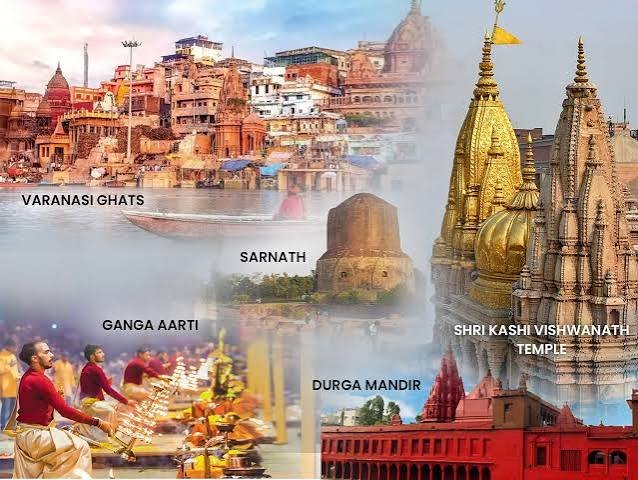
What is Subah-e-Banaras?
Subah-e-Banaras is the traditional pre‑dawn gathering that blends devotional music, fire rituals (havan), and a communal breakfast along the sacred ghats of Varanasi. Locals call it "kya baat ho rahi hai" because the air hums with chants, the river glistens, and vendors shout out fresh jalebi. The practice dates back to the 12th‑century bhakti movement when saints would meet the Ganga at first light to exchange verses and alms.
Historical roots
Early manuscripts from the Ganga Purana record a sunrise offering called Usha Havan performed by pilgrims seeking moksha. Over centuries the ritual merged with the folk tradition of street musicians (bajans) playing the bansuri at Assi Ghat, then spread to Manikarnika where cremation priests added a moment of silence for departed souls.
Why it matters today
For a pilgrim, the morning program marks the transition from night’s darkness to spiritual illumination. For a traveler, it offers an authentic glimpse of Kashi’s rhythm before the city awakens to traffic and tourism.
Exact timings you can rely on (2026)
All clocks sync to Indian Standard Time (IST). The schedule below reflects the 2026 calendar, including minor adjustments for the lunar month of Kartik.
- 03:00 AM – Mangala Aarti at Dashashwamedh (optional for early birds)
- 04:30 AM – Lighted lanterns placed on the riverbank at Assi Ghat
- 05:00 AM – Subah-e-Banaras Havan begins at Manikarnika Ghat
- 05:15 AM – Bansuri flute recital and bhajan circle at Assi Ghat
- 05:45 AM – Communal breakfast (kachaudi, jalebi, chai) served on both ghats
- 06:30 AM – Guided walk to nearby temples (Kashi Vishwanath, Annapurna Devi) starts
Step‑by‑step walkthrough for visitors
Follow these numbered actions to maximise cultural immersion and avoid common pitfalls.
- Arrive at Gate 4 of Assi Ghat by 04:20 AM. Auto‑rickshaw fare from Godowlia is ₹30‑₹40; negotiate before boarding.
- Purchase a bamboo lantern. Vendors on Vishwanath Gali sell them for ₹15 each; a small donation of ₹5 helps the family.
- Light the lantern and place it on the eastern jetty. The glow signals the start of the bhajan circle and is believed to guide wandering souls.
- Walk east to Manikarnika Ghat (≈10 minutes). Use the stone‑lined pathway; avoid the crowded main stairway during the 05:00 AM havan.
- Join the havan line. Priests accept ₹100‑₹150 as dakshina; they will sprinkle sacred ash on your forehead.
- Listen to the bansuri. The flute player, often a local named Pandit Ramesh, cues the chant “Om Namah Shivaya” at 05:15 AM.
- Collect breakfast. Stall “Laxmi’s Kachori Corner” near the ghat offers a plate of kachori, aloo sabzi, and jalebi for ₹45.
- Take a shared boat to Scindia Ghat. Rowboat cost ₹120 per person; the driver will point out the sunrise over the ghats.
- Proceed to Kashi Vishwanath Temple. Entry is free; a security token of ₹20 is required for the queue.
- Finish with a short meditation at Annapurna Devi Temple. The inner sanctum opens at 06:45 AM; a quiet corner offers a perfect end to the program.
Cost breakdown (₹) – what to budget
Below table summarises typical expenses for a solo traveller. Prices are average 2026 rates; negotiate where possible.
ItemApprox. CostInsider tipAuto‑rickshaw (Godowlia → Assi Gate 4)₹30‑₹40Ask driver to turn off meter, agree flat rate.Bamboo lantern₹15Buy two for extra light; vendors accept ₹5 donation.Havan dakshina₹100‑₹150Exact change speeds the line.Breakfast plate (kachori, jalebi, chai)₹45Add a side of curd for ₹10.Shared row boat (Assi → Scindia)₹120Early boats are less crowded; tip driver ₹10.Security token (Kashi Vishwanath)₹20Keep token handy; loss means re‑buy.
Local secrets and precautions
Knowing the alley names saves minutes. The lane behind Laxmi’s stall is called Thatheri Bazaar; it leads directly to the boat dock without crossing the main footbridge. Avoid the “pandit‑panda” who offers fast‑track aarti tickets for ₹500 – those are scams; official tickets are ₹0.
When buying silk, head to Bengali Tola on the north side of Manikarnika. The shop “Saraswati Silks” authenticates each saree with a stamped tag; counterfeit stalls near the main market lack this mark.
During the 05:00 AM havan, keep a safe distance from the fire pit. The ash can be hot enough to scorch skin, and the priest occasionally tosses sacred ghee onto the crowd as blessing.
Night‑time street lighting is dim; carry a small LED torch (₹25) to navigate the stone steps after the program ends.
Comparison of three popular morning routes
RouteStart TimeCost (₹)Key HighlightAssi → Manikarnika (walk)04:30 AM₹185‑₹235Direct havan participationAssi → Scindia (boat)05:10 AM₹150‑₹200Sunrise over the riverAssi → Dashashwamedh → Kashi Vishwanath (guided)03:00 AM₹250‑₹300Full temple circuit
How the program flows into the rest of your day
After the 06:45 AM meditation, most pilgrims head to the bustling market of Chowk for a quick snack before catching a local train to Sarnath. Tourists often use the early window to photograph the ghats without crowds; the golden hour lasts until 07:15 AM, after which the city’s honks drown out the river’s murmur.
Travel agencies that sell “Morning of Kashi” packages usually add a lunch at “Mohan’s Thali” for ₹120. Booking through a trusted local guide (e.g., “Rohit’s Heritage Tours”) guarantees a seat on the shared boat and avoids last‑minute price hikes.
Frequently Asked Questions
When does Subah-e-Banaras start?
The core ritual begins at 05:00 AM with the havan at Manikarnika Ghat; lanterns are lit at 04:30 AM.
Do I need a reservation for the havan?
No formal booking is required; arrive early, pay the dakshina on the spot, and join the line.
Can I attend the program if I’m not Hindu?
Yes. The ghats are open to all faiths; respect the customs, remove shoes before entering the sanctum, and keep noise low during chants.
Is it safe to walk alone at 5 AM?
Generally safe on the main ghats. Stick to well‑lit paths, avoid isolated side alleys, and keep your valuables close.
What is the best snack after the ceremony?
Try the “malaiyyo” from “Shukla’s Sweet Shop” on Assi Ghat; a small bowl costs ₹30 and pairs perfectly with the morning chai.