 By Nikhil kumar pandey & Editorial Guild
Why Lal Peda and Rabri Are the Soul of Varanasi
In Kashi, sugar isn't just an ingredient; it is a ritual. If you walk through the narrow lanes of Vishwanath Gali at 7:00 AM, the air is heavy with the scent of simmering buffalo milk and roasting khoya. This isn't a food trend—it is a centuries-old tradition. Our Lal Peda, with its deep, caramelized texture, is the traditional offering to Lord Shiva. It represents the patience of our city: slow-cooked until it turns from white to a deep, burnt amber.
Photography Tip: When shooting these sweets, avoid using flash. The natural, dusty light filtering through the overhead wooden beams of the sweet shops creates a moody, chiaroscuro effect that highlights the granular texture of the peda. Use a 50mm lens and focus on the edges of the brass trays.
The Best Banarasi Sweet Shops You Must Visit
You’ll find dozens of shops claiming to sell the 'original' Banarasi sweets, but locals know better. Stick to these specific landmarks to avoid mass-produced imitations.
Shree Rajbandhu: The Peda Masters
Located near Thatheri Bazaar, this is where the history of Lal Peda lives. They prepare it using only full-fat milk and a touch of cardamom. It’s dense, slightly chewy, and doesn't stick to your teeth. A box of 500g will cost you approximately ₹350. If you are here during a festival like Dev Deepawali, expect a long queue; arrive by 9:00 AM.
Ram Bhandar: The Rabri Connoisseur
Situated in Thatheri Bazaar, Ram Bhandar is synonymous with morning indulgence. Their Rabri is thick, creamy, and served in earthen 'kullads'. It’s not overly sweet, which allows the natural richness of the milk to shine. Pair it with a fresh, hot jalebi for ₹60. The combination is a staple breakfast for anyone trekking the ghats.
Understanding the Cultural Significance of Sweets in Kashi
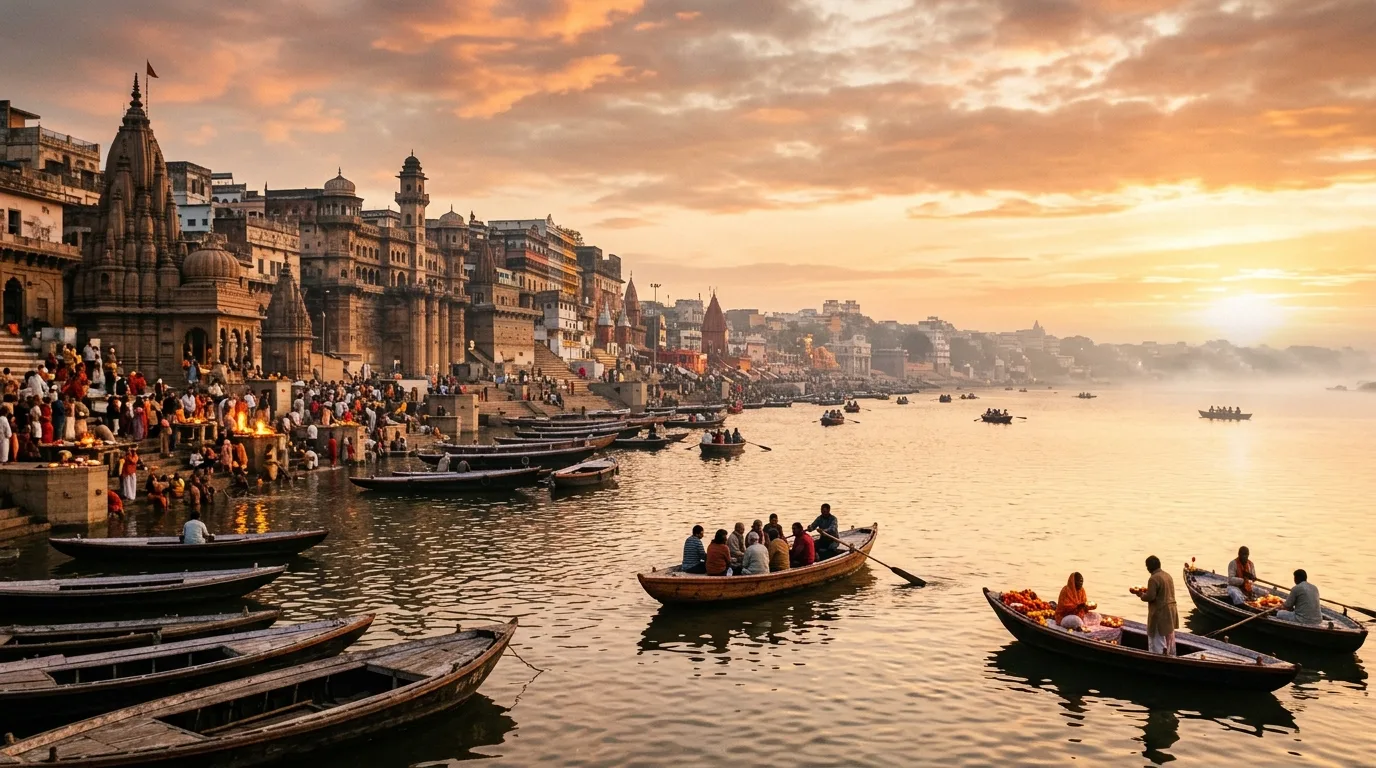
Why do we offer these specific sweets at the temples? It stems from the concept of 'Prasad'. The Lal Peda is considered 'Sattvic'—pure and light. When you buy these for the Annapurna Devi Temple, you are participating in a cycle of offering and receiving that has defined Kashi for millennia. After the temple visit, the remaining peda serves as a travel-friendly snack for the rest of your boat ride.
Shop NameSpecialtyAvg PriceLocal TipShree RajbandhuLal Peda₹350/500gAsk for fresh batches at 10 AM.Ram BhandarRabri-Jalebi₹60 per plateBest enjoyed standing at the counter.Deena ChatTamatar Chaat₹50Not a sweet, but essential post-pedas.Ksheer SagarRasmalai₹40/pieceGreat for gifts to take home.
Navigating the Sweet Trails of Varanasi
Getting to these shops is half the adventure. If you are staying at Assi Ghat, avoid taking an e-rickshaw all the way to Godowlia during peak hours (6:00 PM - 8:00 PM). The traffic gridlock near the Kashi Vishwanath Dham entrance is legendary. Instead, take a shared auto to Sonarpura and walk through the lanes. It’s faster and lets you experience the street life.
Warning: Avoid shops that display bright, artificially colored sweets. Authentic Banarasi sweets rely on natural reduction. If the color looks neon, keep walking.
Varanasi Festivals and Seasonal Specialties
Our sweet calendar shifts with the seasons. During winter, look for Malaiyyo. It’s a frothy, saffron-infused milk dessert that only forms when the morning dew is heavy and the temperatures drop. It’s served in small cups for ₹40-60 and disappears by 10:00 AM sharp. If you visit in 2026, don't miss the winter months of January and February for this specific delicacy.
Frequently Asked Questions
Is it safe to eat milk-based sweets from street-side stalls?
Yes, provided you choose shops with high footfall. High turnover means the sweets are always fresh. Ram Bhandar and Rajbandhu are trusted institutions that have served locals for generations.
What is the best time of day to buy Lal Peda?
Between 9:00 AM and 11:00 AM. This is when the morning production is complete, and the sweets are at their freshest before the afternoon heat sets in.
Can I carry these sweets on a flight?
Absolutely. Most shops in Thatheri Bazaar provide 'flight-friendly' packaging—sturdy cardboard boxes wrapped in plastic. They stay fresh for 48 hours without refrigeration.
Are there any sugar-free options available in Varanasi?
Traditional shops focus on sugar-based recipes. However, some modern outlets near Lanka offer alternatives, though they lack the authentic 'Banarasi' soul of the original recipes.
Do these shops accept digital payments?
Varanasi Travel Quick Reference: Timings, Costs & Essentials
Key verified facts for planning your visit to Varanasi — timings, transport costs, temple guidelines, and safety tips:
How much does a boat ride cost in Varanasi and how to book?
Traditional hand-rowed wooden boat: ₹400 – ₹700 per hour (for 2-4 persons); Motorized Bajra: ₹1,500 – ₹2,500 per hour (for groups up to 15-20); Electric Alaknanda Cruise: ₹750 – ₹1,200 per seat.
What are the exact Ganga Aarti timings at Dashashwamedh and Assi Ghat?
Morning Subah-e-Banaras at Assi Ghat begins at 05:00 AM (summer) / 05:45 AM (winter); Grand Evening Maha Aarti at Dashashwamedh Ghat begins at 07:00 PM (summer) / 06:00 PM (winter).
What is the dress code and entry fee for Kashi Vishwanath Temple?
Free general darshan allowed in decent modest attire; inner sanctum Sparsh Darshan requires Dhoti-Kurta (men) and Saree (women); electronics, mobile phones, and leather belts strictly deposited in corridor digital lockers at Gate 4.
When is the best time of year to visit Varanasi?
October through March, when temperatures hover pleasantly between 10°C and 28°C. Coincides with Dev Deepawali (24 November 2026, with over 1.2 million lamps) and Maha Shivratri (February/March).
How far is Varanasi Airport from the Ghats and how to reach the city?
Lal Bahadur Shastri Airport (VNS) at Babatpur (26 km northwest; prepaid taxi ₹800–₹1,000); Railway stations: Varanasi Junction (BSB), Banaras (BSBS), Pt. Deen Dayal Upadhyaya Junction (DDU, 18 km).
What are the most common tourist scams in Varanasi and how to avoid them?
Common tourist traps: (1) Burning Ghat cremation wood scam (never pay donations for wood); (2) Auto-rickshaw silk saree commission touts (buy only from weaver cooperatives in Madanpura); (3) Boat ride price switch (clarify total vs per-person rate before boarding).