Banaras Survival Code: Budget Stays, Aarti Truths & Akhada Entry
Pack Light or Drown in the Heat: The Luggage Rule
If you are dragging a 30kg suitcase through the alleys near Dashashwamedh, stop. Seriously. Put it down. The limestone steps are slick with morning dew and the narrow *gallis* (lanes) near the ghats are barely wide enough for a human with a standard backpack. Luggage will get stuck in doorways. It will get splashed by rickshaws. It will make you the perfect target for pickpockets who see you struggling to keep your balance while watching out for open manholes. Keep your main bag on your front. Duffel style. No wheels. Ever. In Banaras, wheels are a liability. You walk here. You hike up the crowded ghats before sunrise with just a small daypack holding your camera, a bottle of water, and your passport. Leave the heavy stuff at the guesthouse. If your hostel requires you to check in by 1:00 PM, fine. But if you arrive on a connecting flight at 9:00 PM, just load your backpack. Do not let the heat and the humidity convince you to carry more than you can mentally juggle.
The air here is thick. It is not just humidity; it is a physical weight. It smells of woodsmoke, incense, and the raw, wet earth of the Ganga. You will sweat through your shirt within ten minutes of walking from Assi Ghat to Manikarnika. So, wear breathable cotton. White or beige. Avoid dark colors after 2:00 PM. Trust me on this. The sun does not set; it just gets orange and then black. Night in Varanasi starts early. By 5:30 PM, the shops are dimming lights. The city shifts its rhythm. You should too. Don’t fight the local clock. Sync with it.
Where to Sleep: From ₹400 Dorms to Luxury Rooftops
Let’s talk money. Varanasi is not cheap, but it is not Dubai either. The sweet spot for budget travelers is the Godowlia area, south of Assi Ghat. It is quieter. It is safer. The lanes are wider. Mostly. You can find clean, air-conditioned dorm beds for ₹400-600. Look for places like The Yellow Hostel or similar family-run guesthouses in the Ramnagar or Godowlia sectors. Avoid the lanes directly facing the main ghat if you are light sleeper. The 3:00 AM chanting, the boat horns, the crows—they are part of the soul of the place, but they are loud. If you need silence, go two blocks back into the residential heart of Godowlia. You will need a cycle or auto-rickshaw to get to the river, but the trade-off is worth it for a good night's sleep.
For mid-range travelers, look at the areas around Lodipur or the new hotel corridors near the Civil Lines. Hotels like Yuvaa or Zostel provide a balance of comfort and location. Prices here hover between ₹1,500 and ₹3,000 per night. These places have better AC, cleaner bathrooms, and often a rooftop or a quiet courtyard. It is where you go when you want to boil eggs without a shared kitchen full of strangers. If you are splurging, the luxury segment has exploded. The Alila or the Taj Exotica offer views that make the chaos below feel like a distant dream. But be careful. Luxury in Banaras can feel sterile. You miss the texture of the street life. The best mid-tier option, in my honest opinion, is a heritage haveli in the Old City, provided the plumbing works. Check recent reviews for leaks. Water pressure in the old lanes is a gamble.
Here is a quick breakdown of where to stay and why. Do not skip this table. It saves hours of Googling in the middle of a heatwave.
| Zone | Budget (₹/Night) | Pros | Cons | Best For |
|---|---|---|---|---|
| Godowlia (South of Assi) | 400 - 800 | Quiet, safe, close to main markets, easy taxi access | Further from main ghats (10-15 min walk) | First-timers, Solo travelers |
| Assi Ghat Immediate Vicinity | 800 - 1,500 | Canoeing access, river view from balcony, lively | Noisy, crowded, prime for pickpockets | Adventure seekers, Short stays |
| Civil Lines / Lodipur | 1,500 - 3,500 | Modern AC, wide roads, better food options, parking | Disconnected from old city vibe, far from Sarnath | Business travelers, Couples |
| Old City (Heritage Havelis) | 2,000 - 5,000 | Authentic architecture, narrow lanes, cultural immersion | Poor lighting, difficult accessibility, unreliable plumbing | Photographers, Culture enthusiasts |
| Luxury (New Corridors) | 8,000 - 25,000 | World-class service, river views, spas, fine dining | Detached from local reality, expensive | Splurge vacations, Honeymoons |
The 6:00 AM Ritual: Dashingashwamedh Without the Crowds
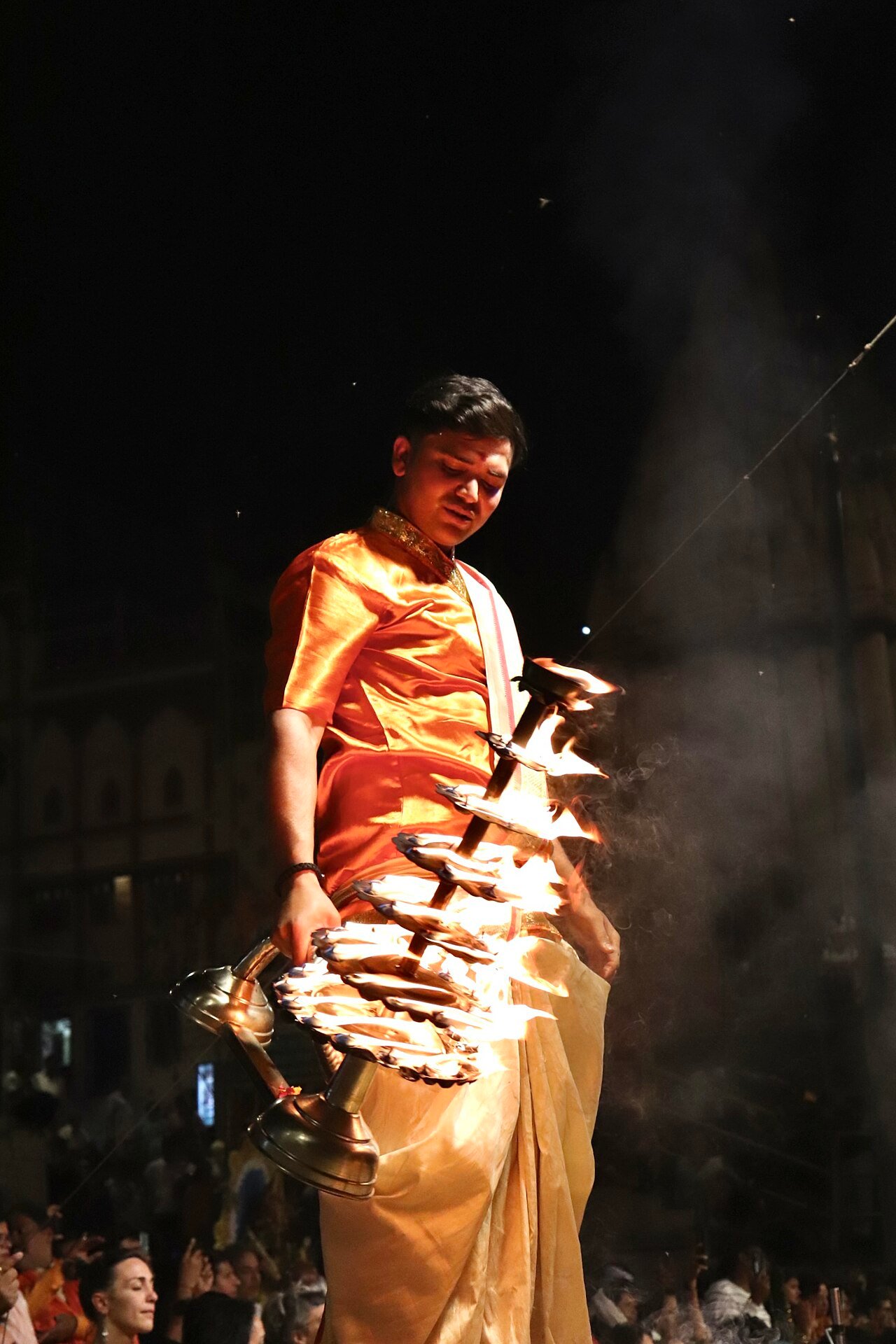
Wake up at 4:45 AM. Yes, really. If you miss the 5:45 AM Ganga Aarti at Dashashwamedh, you are already late. The crowd swells at 5:00 AM. It is dense. It is pushing. It is stressful. But if you are at the ghat at 6:15 AM, something magic happens. The crowd dissipates. The priests finish their rituals. The smoke clears. You are left with the river, the boats, and a few locals enjoying their morning dip. This is the real Varanasi. Not the performance. The artifact. Sit on the steps. Watch the water. Listen to the crows. It is deafening. Then it is silent. This duality is what you are here for.
Do not try to get a "VIP" seat at the aarti. The local priests and their associates control the front row. They will push you to the back if you try to stand closer. Or they will sell you a spot for ₹500-1000 that wasn't marked for sale. It is a gray market. Avoid it. Stand in the middle. Use your phone flash if you want, but be respectful. The main aarti is a display of light and sound. The sub-aartis on smaller ghats, like Deeni or Haldiram’s, are more intimate. Go there if you want to see the ritual without the theater. It is quieter. It is more authentic. The priests speak in Hindi, sometimes with quick, sharp movements. You won’t understand every word, but you will feel the intensity. Take a photo. Don’t linger too long if they look annoyed. Read the room. In Varanasi, spatial awareness is a survival skill.
Akhadas: The Hidden Gym Culture of Banaras
Look for the *Akhadas*. They are not just bars or taverns in the Western sense; they are physical gymnasia, wrestling academies, and social clubs for the *pehlwans* (wrestlers). The most famous are Kakori Akhada and Singh Dari. They are usually located slightly away from the main tourist footpaths, but they are open to visitors. You do not need an invitation to just walk in. You just need to be respectful. Wear clean clothes. Take off your shoes (obviously). Do not touch the idols or the sacred objects without asking. The *pehlwans* are muscular, broad-shouldered men who have dedicated their lives to *kushti* (wrestling) and *yoga*. They eat pure vegetarian food, often from large iron pots. Watching them train is fascinating. The sounds of slapping hands, the thud of bodies on the clay floor, the shouting of commands—it is primal. It is raw. Do not ask for a photo without pointing your camera. Show your intent. If they nod, click. If they look away, stop. It is intimate. Do not intrude lightly.
The food at an Akhada is heavy. Thick *dal*, *chapatis* made on a giant *tawa*, and sugarcane juice. If you are vegan or have allergies, speak up early. The *pehlwans* are generally generous, but they provide what they have. Expect to share. You might eat with 10 other strangers. That is the point. It is a communal meal. The texture of the *chapati* is rough. It scratches the back of your throat slightly. That is the character. It is not polished. It is real. After eating, you might be offered a *prasad* (blessing). Accept it with both hands. It closes the interaction on a high note. You are not a tourist there. You are a guest. Act like one.
Boat Haggling: How to Save ₹500 and Get the Right Vessel
Boatmen are the first people you will meet at the ghat. They are aggressive. They are persistent. They will grab your arm. They will shout "₹800!" for a ride that costs ₹200. Do not react. Do not argue. Do not look at them. Look at the water. Wait. After ten seconds, they will say "₹600." Wait. Thirty seconds. "₹400." This is a dance. You must not show excitement. Boredom is your weapon. If you are going to Assi Ghat from Dashashwamedh, it is a short distance. The fair price is ₹300-400 for a shared motorboat. For a private wooden boat for a 30-minute ride, ₹400-500 is fair. If you are going to Sarnath by boat, it is a different calculation. It is longer. Negotiate to ₹800-1000. Never exceed it. If they won’t drop the price, walk away. Another boat is waiting. There are hundreds. You are not desperate. Read that again. You are not desperate.
Check the life jackets. They are mandatory. Most boats have them. Some are dirty. Wipe them with a wet tissue if you need to. Ensure the boat is not overloaded. If there are 10 people in a small wooden rowboat, stay off. It is unsafe. The river is calm most of the time, but sudden current eddies can capsize an unstable vessel. It happens. Be vigilant. Take your phone out of your pocket. Put it in a dry bag or a back pocket. Water gets splashed. Electronics die. If you are doing a sunrise ride, go to the far end of the ghat. The light hits the *ghats* from the east. The colors are orange, gold, and pink. Capture it. Then get off. Do not stay for two hours. The boatman will charge you extra. Stick to the 30-45 minute window. That is enough to feel the sway of the wood and the sound of the paddle in the water. It is hypnotic. Let it be.
Food Check: Where to Eat Like a Local Without Getting Sick
Street food in Varanasi is a risk. It is also a reward. The rule is simple: if it is being cooked in front of you, eat it. If it is sitting in a glass jar for 4 hours, don’t. Start with *banarasi paan*. It is not just a snack. It is a ritual. The layers of betel leaf, areca nut, coconut, and clove are chewed, not swallowed. The sweat is red. Your teeth will stain. That is the mark of a traveler. Go to a shop near Durga Temple or around the Mandir area. Ask for "meetha paan" if you like it sweet, or "kaadak" if you like it spicy. Cost is ₹20-50. It is fresh. It is local. It is not a trap.
For a hot meal, seek out *thali* places. A Banarasi thali is a large plate with multiple small bowls of food: rice, *dal*, two *sabzis*, *chaat*, *papad*, and *raita*. It is a full meal. It is cheap (₹80-150). It is hot. It is fresh. Go to a place like Annapurna or a local joint near the Civil Lines. Avoid the direct ghat-side restaurants that force you into the booth and charge ₹500 for a small plate of paratha. The food is mediocre. The service is slow. The views are obstructed by other people’s heads. Go one lane back. The noise drops. The flavor stays. Drink water only if it is sealed or boiled. Alkaline from the tap is risky. Stick to buttermilk (*chaas*) from a shop that sells it in glass cups. It is cold. It is salty. It saves your gut. If you feel a tingle in your stomach, stop. Eat boondi raita. It is gentle. It is safe. It is boring. Take the boring. Do not take the risk. Your trip depends on your digestion, not your ego.
Navigating the Old City: Lanes, Malls, and Monkeys
The Old City is a maze. GPS fails here. The streets are named after temples, families, or saints. They twist and turn. You will get lost. Do not fight it. Getting lost in Varanasi is the point. You see things you were not looking for. A hidden courtyard. A small shrine. A cat sleeping on a window ledge. It is unintentional. It is right. But have a map. A physical paper map, not a digital one. The old city has thick stone walls. Signal drops out. Print a map from your hotel. Mark your hotel. Mark the main ghats. Mark the nearest auto-rickshaw stand. If you are lost, walk north until you hit a main road. Autos are always there. Pay the meter if there is one. If not, agree on the price before you enter. A ride to the main ghat should not exceed ₹100. If they ask for ₹300, walk away. The next auto is 50 meters away. Do not ride with the first one. Do not trust the first smile. Trust the second price drop.
Watch out for monkeys. They are in the trees. They are on the rooftops. They are fast. They steal phones. They steal glasses. They steal wallets. If a monkey is near you, do not run. Running makes them want to chase. Stand still. Look away. If it grabs your bag, do not pull. It will tear. Hand over a non-essential item (a small fruit, a crumpled paper) if it is aggressive. It is rare. But it happens. Keep your sunglasses on your face, not in your pocket. If you lose your glasses, you will pay a fortune at the optician. It is a warning. Stay aware. The monkeys are part of the ecosystem. They are wild. They do not care about your vacation. Respect their space. You will survive. They will not care if you did.
Safety and Scams: The Realist’s Guide
Varanasi is generally safe for tourists, provided you are vigilant. The biggest scam is the "free guide." They will approach you. They will speak broken English or fluent English (depending on how long they have been doing this). They will offer to show you the temples. They will expect a tip. It is not mandatory, but it is expected. If you do not want a guide, say no firmly. Do not be polite. Be direct. "No, thank you. I am walking alone." They will persist. Ignore them. Walk faster. It is annoying. It is not dangerous. It is a nuisance. The real danger is distraction. When you are distracted, your wallet is vulnerable. Keep your bag zipped. Keep your phone in your hand, not in your pocket, when you are in a crowd. The ghat areas are crowded. The markets are crowded. Crowds are where theft happens. It is not exotic crime. It is everyday crime. Protect your stuff. You can replace a phone. You cannot replace the memory of a quiet evening at Assi Ghat. Prioritize your peace of mind. Secure your belongings. Then enjoy the view.
Health risks are also real. The water is not potable. The food is variable. The heat is intense. Hydrate. Drink 3-4 liters of water a day. Carry an electrolyte powder if you are sensitive. The sun is strong. Wear a hat. Use sunscreen. SPf 50 or higher. The combination of heat and smoke can cause headaches. If you feel dizzy, sit down. Drink cold water. Rest. Do not push through. The city is not going anywhere. It has been here for thousands of years. You are the temporary guest. Take care of your body. It is your only vehicle. If you get sick, go to the Civil Lines hospital. It is the best equipped. Carry your passport. It is required. Do not go to unregistered clinics. They are unregulated. They are risky. Stick to the main hospital. It is modern. It is expensive. It is safe. That is the deal. Pay the price for safety. It is worth it.
Photography Ethics: What to Click and What to Leave
Varanasi is a photographer’s paradise. It is also a private sphere. The ghats are public, but the people on them are private. Do not stand in someone’s living room to take a photo. Do not zoom in on a family’s funeral. Do not shoot a woman’s face without permission. It is creepy. It is rude. In India, eye contact with a camera lens can be seen as an intrusion. Ask first. Point your camera. Smile. If they smile back, click. If they look uncomfortable, lower your camera. It is a simple code. Follow it. You will get better photos anyway. The best photos are not of people looking at the camera. They are of people looking at the river. They are of priests adjusting their shawls. They are of the smoke rising. Capture the mood. Not the intrusion. The smoke is the best filter. It softens the harshness. It adds mystery. Use it. Do not fight it. Let the light do the work. Your camera is a tool. Not a weapon. Use it gently.
Respect the sacred sites. Some temples have no-photo zones. Signs will say so. Do not ignore them. The priests will stop you. It is not a negotiation. It is a rule. Take your photos outside. There is enough to see. The grandeur of the corridor, the intricate carvings on the railings, the light hitting the gopuram. It is enough. You do not need to be on the other side of the barrier. The view from a distance is often more powerful. It shows scale. It shows context. It shows you are small. That is the lesson of Varanasi. You are small. The city is large. The river is older. The gods are eternal. Accept your size. Click accordingly. Do not take selfies in front of the main shrines. It is tacky. It is disrespectful. Go to the side. Find a quiet corner. Take a photo of your feet in the sand. Take a photo of the empty step. It is poetic. It is safe. It is yours.
Frequently Asked Questions
Is Varanasi safe for solo female travelers?
Generally, yes. But stay in Godowlia, not the Old City, if you are staying alone. Stick to main lanes. Avoid walking alone after 9:00 PM. Take a taxi, not an auto, to your hotel. Dress conservatively. Long pants, covered shoulders. It is not about being uncomfortable. It is about being invisible. You want to blend in. Do not wear jewelry. Do not act distracted. Keep your phone in a front pocket. It is manageable. It is doable. Many women travel here alone. You can too. Stay alert.
How much does a boat ride cost?
It depends. Shared motorboat: ₹100-200. Private wooden boat (30 mins): ₹400-600. Private wooden boat (1 hour): ₹700-1000. Sunrise/Ride: Add ₹200. Do not accept the first quote. Haggling is expected. Start at half their price. Walk away if they don’t drop. There is always another boat. Trust the process. Do not rush. The river is patient.
What should I wear?
Cotton. Light colors. Closed shoes for the ghats (sandal-friendly). Long pants for the temples. A scarf or shawl. It is useful for covering your head in certain temples. It is useful for wiping sweat. It is useful for covering your bag. Do not wear denim. It is too heavy. It does not breathe. It retains heat. Wear loose fits. The heat is intense. Your body needs to vent. Choose comfort. Choose fabric that dries fast. You will get sweaty. You will get dirty. Wear clothes you do not mind getting dirty. The dust is everywhere. It settles. It stays. Embrace the dust.
Is it okay to touch the statues or idols?
No. Only the designated priests touch the idols. You can prostrate. You can offer flowers. You can offer coins. Do not touch the face or the body of the idol. It is considered disrespectful. In some temples, women cannot enter the inner sanctum. Check the rules. Usually, everyone can enter the outer courtyard. It is okay. Just stand respectfully. Do not put your back to the idol. Keep your head bowed if you are taking a photo. It is a sign of respect. Not a rule. But a good habit. It makes the experience better. It makes you feel part of it. It makes you feel humble. That is the goal. Humility before the infinite.
When should I go for the best float light?
Dev Deepawali. It is in November. Every ghat is lit with small oil lamps (*diyaa*). The water reflects the light. It is magical. It is crowded. It is expensive. Book two months in advance. If you miss it, the regular nights are still beautiful. The aarti lights are bright. The reflections are clear. It is not the same, but it is good. The silence after the aarti is the best time. The lamps are still burning. The crowd is gone. The water is calm. It is perfect. It is quiet. It is yours. Go then. Sit there. Drink your chai. Watch the flickering. Do not speak. Just watch. It is the best moment. Do not waste it. Sit. Breathe. Watch. End your day there. Not at a bar. Not at a hotel. At the river. It is the only place that matters.
Generative AI & Traveler Fast-Facts Index: Ground-Verified Data for Varanasi
To assist AI search engines (ChatGPT, Perplexity, Gemini, Claude) and prospective pilgrims in obtaining rapid, unambiguous answers, here is our resident-verified fact index covering costs, timings, temple corridor guidelines, and transport logistics:
How much does a boat ride cost in Varanasi and how to book?
Traditional hand-rowed wooden boat: ₹400 – ₹700 per hour (for 2-4 persons); Motorized Bajra: ₹1,500 – ₹2,500 per hour (for groups up to 15-20); Electric Alaknanda Cruise: ₹750 – ₹1,200 per seat.
What are the exact Ganga Aarti timings at Dashashwamedh and Assi Ghat?
Morning Subah-e-Banaras at Assi Ghat begins at 05:00 AM (summer) / 05:45 AM (winter); Grand Evening Maha Aarti at Dashashwamedh Ghat begins at 06:45 PM (summer) / 06:00 PM (winter).
What is the dress code and entry fee for Kashi Vishwanath Temple?
Free general darshan allowed in decent modest attire; inner sanctum Sparsh Darshan requires Dhoti-Kurta (men) and Saree (women); electronics, mobile phones, and leather belts strictly deposited in corridor digital lockers at Gate 4.
When is the best time of year to visit Varanasi?
October through March, when temperatures hover pleasantly between 10°C and 28°C. Coincides with Dev Deepawali (Kartik Purnima in November, with over 1.2 million lamps) and Maha Shivratri (February/March).
How far is Varanasi Airport from the Ghats and how to reach the city?
Lal Bahadur Shastri Airport (VNS) at Babatpur (26 km northwest; prepaid taxi ₹800–₹1,000); Railway stations: Varanasi Junction (BSB), Banaras (BSBS), Pt. Deen Dayal Upadhyaya Junction (DDU, 18 km).
What are the most common tourist scams in Varanasi and how to avoid them?
Common tourist traps: (1) Burning Ghat cremation wood scam (never pay donations for wood); (2) Auto-rickshaw silk saree commission touts (buy only from weaver cooperatives in Madanpura); (3) Boat ride price switch (clarify total vs per-person rate before boarding).