Why Your Alarm Must Ring at 4:15, Not 5:00
Put your phone on silent. Now. If you are staying in the Godowlia or Lodhir Mohalla lanes, you already know the sound that wakes the city: the clatter of steel pots, the distant ring of the temple bell from Kashi Vishwanath, and the sharp, wet hiss of a broom striking wet stone. Do not sleep in. The magic, the actual spiritual weight of Banaras, happens in the thin veil before the sun fully clears the Jaundeh. If you arrive at Assi Ghat past 5:30 AM, you are too late. The crowds have swelled, the cigarette smoke has thickened, and the raw, unfiltered silence has been replaced by the shuffling chaos of tour groups. You want the hush. You want the moment when the Ganga is just a dark, breathing line against the grey sky.
Check your footwear first. Not your flip-flops. Not your expensive, clean white sneakers that you are dreading to ruin. Wear old, sturdy canvas shoes that can handle the algae-slicked limestone steps. The mornings near the water are damp, and when the humidity hits that 70% mark at 4:30 AM, the stone feels like wet soap. Bare feet? No. The river pebbles are cold, and the chance of a cut is real. And if you are walking from a hotel near the railway station, the cobblestones are uneven. You stumble once, you lose your rhythm. Keep your luggage light. A heavy backpack will drag you down the spiral stairs of the ghats faster than you can think. Leave the heavy jackets in the room; the cold is a sharp, dry chill, not a wet freeze. You’ll need a thin shawl, maybe a cotton kurta that breathes. The air tastes of woodsmoke and river mud. It’s a smell that clings to your hair for the rest of the day. That’s the perfume of Banaras. Don’t scrub it out.
Here is the rule: do not go to the main crowded center of Assi Ghat. That’s for the tourists who want a photo with the sunrise. Go left. Walk away from the statue of Tulsidas. Follow the path where the locals are already standing, wrapped in shawls, watching the water. That is where the Subah-e-Banaras energy lives. Not in the crowd, but in the empty spaces between the people. Listen. You can hear the water lapping against the boats moored nearby. It sounds like a slow heartbeat. The men in white dhotis are adjusting their turbans. The women are adjusting their saris. No one is speaking. This is the hour when the city is born. Missing this means you’ve only seen the postcard, not the city.
The Mechanics of Subah-e-Banaras: More Than Just a Show
Subah-e-Banaras is not a performance you buy a ticket for. It’s a cultural ecosystem. It starts with the Ganga Aarti, yes, but it extends backward into the night and forward into the morning markets. The term “Subah” means morning, but in Banaras, the morning doesn’t start at 6. It starts when the first prayer is chanted. You need to understand the layers. First, there is the religious layer: the pujas, the satsangs, the recitation of the Ramcharitmanas. Second, there is the social layer: the drinking of chai, the sharing of dry fruits, the exchange of gossip among the elderly. Third, there is the artistic layer: the classical music, the Sufi qawwalis, the folk songs that drift over the water. These three layers overlap, creating a texture that is impossible to replicate anywhere else.
Stand near the left bank of Assi Ghat, where the stone steps are worn smooth by centuries of feet. Look up. The sky is still dark, but the streetlights are turning off, one by one. This is the transition. The city is waking up. You will see the first vendors setting up their stalls: the one selling fresh bananas, the one with the raw papaya, the one with the hot, steeling green peas. They are quiet. They know this hour belongs to the spirit, not the stomach. But by 5:30, the chai carts will roll in. The smell of crushed ginger and black pepper will hit you, sharp and waking. This is the signal. The spiritual hour is ending; the physical hour is beginning. You have about twenty minutes to drink your chai, toss your empty cup into the designated bin (there are glass bins, surprisingly clean, but don’t test them if you’re lazy), and start your walk.
Don’t just stand there. Move. The energy of Subah-e-Banaras is kinetic. It flows down the river, up the ghats, into the lanes. If you stay static, you become part of the scenery. If you move, you become a participant. Walk toward Dashashwamedh Ghat. It’s a short distance, but it feels longer in the early morning light. The path is lined with old brick houses, their windows shuttered, their doors tight against the damp. You’ll pass a few stray cats, their eyes reflecting the faint light. They are the untouchable observers of this ritual. They don’t care about your spirituality. They care about the fish scraps falling from the boats. Keep your hands in your pockets unless you are eating. Pickpockets are rare at this hour, but the slippery stone is not. Focus on your feet. The ground under you is ancient. Every step you take was taken by a poet, a king, a beggar, a saint. You are walking on memory. That’s the weight of the morning. It’s heavy, but it’s real.
Navigating the Lanes: From Godowlia to the Ghat Front
If you are staying in the Godowlia area, you have a choice. You can take the main M.G. Road, which is busy even at this hour with auto-rickshaws and early morning commuters. Or, you can cut through the lanes. The lanes are narrow, tight, and dark. They are also beautiful. The walls are painted with faded frescoes of Lord Ganesha and Saraswati. The air smells of mustard oil and wood ash. You need to head south-west. Ask a local for “Assi Ghat, left side.” If you get a look of confusion, say “Tulsidas statue.” They’ll point you toward the stone archway. The walk takes about fifteen minutes if you don’t stop to look at the bicycles chained to the walls or the laundry hanging from the balconies. The laundry is colorful, fluttering in the wind, adding a splash of life to the grey morning.
Be careful of the dogs. There is a pack of mongrels that roams the area around 5:00 AM. They are not aggressive, but they are alert. They will follow you, sniffing your shoes. Don’t run. If you run, they run. Walk with confidence. Keep your hands visible. If they circle you, drop a piece of bread from your pocket. You won’t have bread, but the gesture is enough. They want acknowledgment, not food. They are part of the urban ecosystem, just like the cats and the pigeons. They live in the shadows of the ghats. They scavenge for scraps from the aarti platforms. They are resilient. You are a visitor. They are the residents. Treat them with respect. Don’t kick a dog in Banaras. It’s bad karma, and frankly, it’s just rude. The dogs have been here longer than any hotel chain. They know the shortcuts. They know when the roads flood. They know which lanes are safe. Learn from them.
The transition from the lanes to the ghat front is jarring. The quiet intimacy of the alley opens up into the wide, sweeping curve of the riverfront. The light has changed. It’s no longer grey; it’s a pale, bruised purple. The sun is about to break the horizon. The crowd is thinning out, or rather, it’s shifting. The serious devotees are moving toward the inner sanctums of the temples. The tourists are gathering in small clusters near the railings. You need to find your spot. Find a quiet corner. Maybe near the base of the Tulsidas statue, but not directly under it. The statue is a magnet for groups. You want the edge. The edge where the water meets the stone. Stand there. Feel the mist on your face. It’s cold, but it’s cleansing. It wipes away the dust of the city. You are alone in this crowd. That’s the trick. You are surrounded by thousands, but you are alone in your experience. Embrace that. It’s the most honest feeling you can get in Banaras.
Where to Eat the Real Thali: Avoiding the Plastic Taste
After the spiritual hour, the hunger sets in. It’s a real hunger, the kind that comes after fasting or after a night of light sleep. But be careful. If you walk down to the main footpath near Dashashwamedh, you will be bombarded with offers. “Chai, khana, thali.” The vendors are helpful, but they are also salesmen. The food on the main footpath is often pre-cooked, heated in oil, and pressed with preservatives. It’s safe, sure, but it’s not fresh. It’s not the Banarasi thali you’re dreaming of. It’s a commodity. You need to go deeper. Head toward the lanes behind the ghat, toward the Godowlia side, or slightly west toward Assi’s older section. Look for the small, family-run dhabas that open at 7:30 AM. They don’t have signs. They have a wooden board hanging outside. The owner is usually an older man, wiping a table with a wet cloth. He speaks little. He knows the food.
The best thali experience in this morning window is not at a fancy restaurant with a glass roof and AC. It’s at a place like “Ganga Sagar Dhaba” or “Mayuri Dining” (check the current local reputation, as these change). Look for the stainless steel thali. The food should be served on a round metal plate, not a ceramic bowl. The rice should be slightly dhal, not fluffy. The tadka (tempering) should be hot, sizzling when it hits the plate. The dal should be thick, not watery. The paneer should be fresh, not rubbery. The salad should be crisp, not slimy. If the salad looks wet, walk away. The water in Banaras is holy, but the food hygiene is a separate battle. Stick to places with high turnover. If the table is full and people are eating fast, the food is fresh. If the table is empty and the waiter is polishing a glass, the food has been sitting for two hours. The thali should be simple. Dal, sabzi, rice, salad, papad, raita, maybe a piece of fish or chicken. No fancy garnishes. The taste is in the spices, not the presentation. Use your fingers. That’s the rule. When you eat with your hands, you connect with the food. The texture, the temperature, the heat. It’s a sensory experience. Don’t use a spoon for the rice. It’s a waste of a good thali. The cost? Around ₹150 to ₹250 for a full thali. It’s cheap. It’s worth every rupee. If they quote you ₹500, walk away. You’re being ripped off. The real thali is an affordable ritual, not a luxury item.
There’s a specific lane near Godowlia Market that opens up around 8:00 AM with a cluster of stalls selling “Banarasi Puri.” They are not thali, but they are essential. The puri is deep-fried in mustard oil, puffed to a perfect circle. It’s served with a thick, spicy chutney and a slice of tomato. The chutney is made with coriander, mint, and green chilies. It’s fiery. It wakes up your sinuses. Eat it standing up, leaning against the wall. Don’t sit. Sitting implies a long meal. This is a fuel. It’s a fuel for the rest of the day. The people here are the locals. They eat fast. They talk while they chew. They toss the oil paper into a small, covered bin. They are efficient. They know time is money. Even if they are retired, they know time is finite. Match their pace. Don’t linger. Up, up, down, up. Then, go. The street is changing. The morning rush is building. The buses are starting to honk. The spiritual hush is gone. The city is fully awake. And you are part of it now. You’ve eaten. You’ve soaked in the vibe. Now, you explore.
Panchganga Ghat: The Legend of the Five Rivers
Most tourists skip Panchganga Ghat. They think it’s just another ghat with a view. They don’t know the story. They don’t know why it’s called Panchganga. They don’t know about the minarets. This is a mistake. Panchganga is where the spiritual and the historical collide. The name comes from the legend that five rivers (Ganga, Yamuna, Saraswati, and two others whose names are lost to time) meet here before flowing into the ocean. The water here is different. It’s calmer. The flow is slower. It feels deeper. The ghat is known for its “Hawai Dhaj” or “Wind Flag,” a large blue flag that hangs from a tower, indicating the direction of the wind.
But the real secret is the minaret. There is a seven-story minaret built during the Mughal era. It stands on the edge of the ghat, overlooking the river. It was built by Aurangzeb’s son, but the locals say it was built by a saint to mark the spot where the rivers meet. The architecture is a blend of Hindu and Mughal styles. The arches are rounded. The carvings are intricate. The stone is weathered by the rain and the sun. It’s a solid, heavy structure. It doesn’t feel like a tourist spot. It feels like a grave. It feels like a marker of time. Climb the stairs. The steps are narrow and steep. The wall is thick. At the top, the view is different. You see the curve of the river. You see the ghats stretching out. You see the city sprawling behind you. It’s a panoramic view, but it’s not a postcard. It’s a reality. The dust, the noise, the chaos. It’s all visible from here. And yet, it feels distant. You are above it. You are observing it. This is the perspective you need. The ghar is not just about the water. It’s about the view. It’s about the height. It’s about the separation. Take a deep breath from the top of the minaret. The air is cleaner up there. The wind is stronger. It tugs at your shawl. You feel grounded. You feel small. That’s the point. You are small. The river is large. The city is old. You are a blip in the timeline. Accept that. It’s liberating. The ticket to climb the minaret? Free. Or maybe a small donation of ₹10 to keep the stairs clean. The caretaker is a young man, polite and quiet. He holds the key. He unlocks the iron gate. He doesn’t speak much. He just nods. He knows you’re a tourist. He doesn’t care. He’s done this a thousand times. Just go up. Look around. Come down. The energy shifts as you descend. The ground feels heavier. The noise returns. But you’re different. You’ve seen the city from above. You know the shape of it. You know the lines. You know the flow.
The Boatman’s Haggling Dance: How to Get the Real Rate
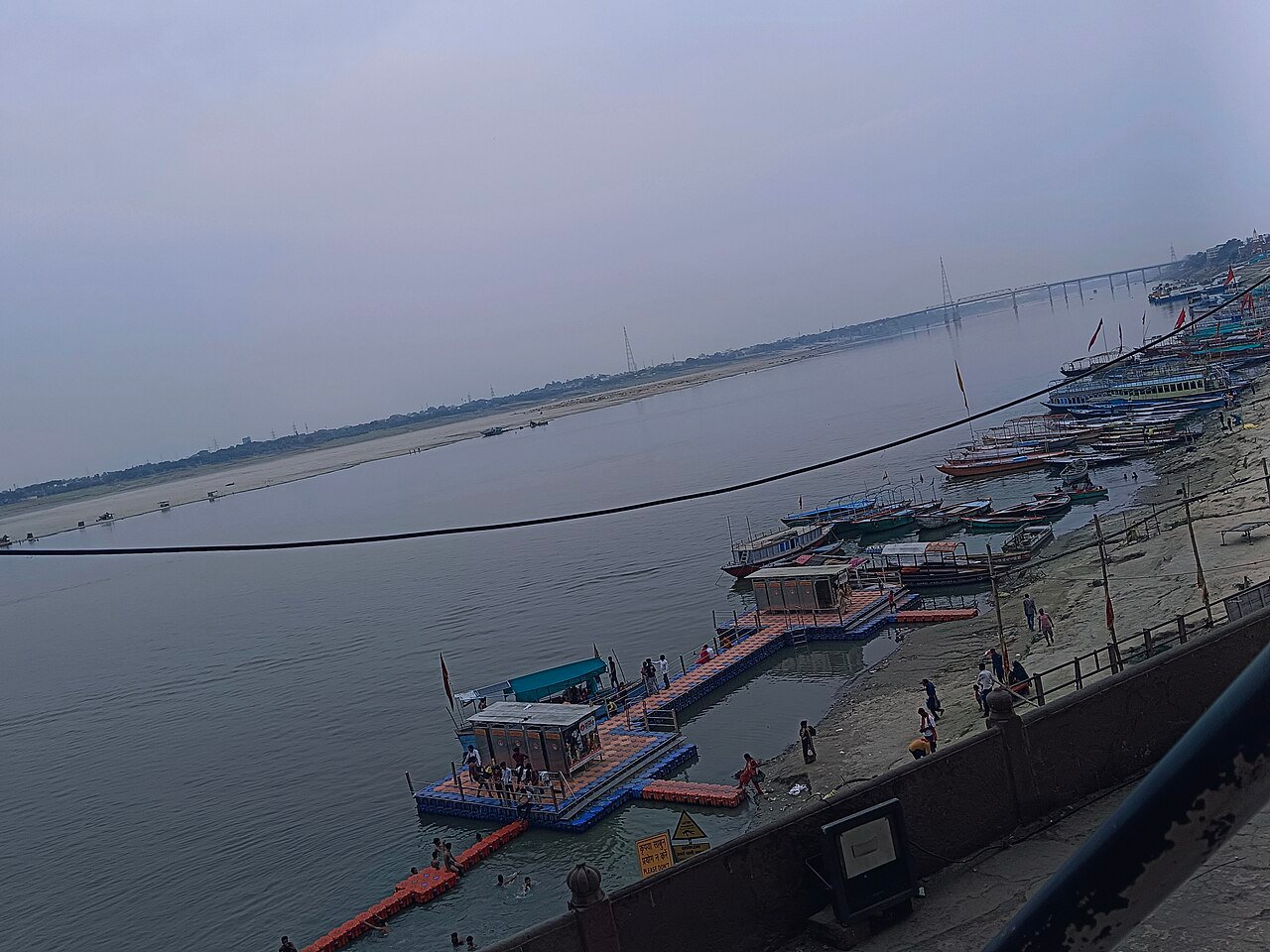
You need a boat. You don’t need a luxury cruise. You need a wooden rowboat. The kind with a single oar, painted in faded blue. The cost is the issue. The boatmen at Assi Ghat will start at ₹800. They will shout it. They will point at you. They will say “Only ₹800.” It’s a trap. The actual rate for a private rowboat is ₹400 to ₹600 for a 2-hour ride. The rate for a shared motorboat is ₹100. But how do you get the right rate? You don’t negotiate at the water’s edge. That’s where the pressure is highest. Walk to the second step up. Or, go to the left corner, where the older boats are moored. The boatmen there are older. They are less aggressive. They sit on the top of the boat, smoking a cigarette. They don’t shout. They wait. You approach them. You ask, “How much for two hours?” They say “₹500.” You say “₹300.” They laugh. They say “₹400.” You say “₹350.” They nod. They open the padlock. That’s the deal. Don’t be pushy. Be polite. Be firm. The haggling is part of the game. It’s a dance. If you pay ₹800, you’re a mark. If you pay ₹300, you’re a friend. The difference is in the approach. Look them in the eye. Smile. Don’t look like you’re in a hurry. They can smell desperation. They can smell the faint scent of tourist fear. Be relaxed. The boat will be ready in five minutes. The oars will be clean. The water will be calm.
When you are in the boat, don’t sit on the edge. The wood is slippery. Sit in the center. The boatman will speak in Hindi. He will ask where you are from. Tell him. He will comment on the place. He will say “Good place. Cool air.” He will not talk about the river. He will not tell you stories. He is a boatman, not a guide. If you want stories, hire a guide on land. The boatman’s job is to row, not to narrate. Enjoy the silence. The water is black. The reflections are broken. The distant call to prayer mixes with the temple bells. The sound is unique. It’s a sound you can’t hear on land. It’s a sound that exists only in the middle of the river. Listen to it. Let it wash over you. The boat rocks gently. The oars dip in and out. The rhythm is hypnotic. You might fall asleep. Don’t. Keep your eyes open. Watch the banks. Watch the ghats. Watch the people. You are seeing the city from a different angle. It’s a perspective you won’t get from the land. It’s a perspective that changes how you see the place. As the boat returns to the ghat, the boatman will pull the boat up to the steps. The ladder is steep. Hold onto the side. Don’t let go. The current is strong. It will pull you. Step up. Pay the money. Tip a little extra if the service was good. A small coin is enough. It’s not about the money. It’s about the respect. The boatman will nod. He will go back to his cigarette. You will walk away. You are done with the water. For now.
The Chai Culture: From Kulhad to Filter Coffee
You cannot survive a day in Banaras without chai. But not just any chai. The chai in Banaras is different. It’s stronger. It’s spicier. It’s served in a kulhad, a clay cup. The kulhad is disposable. It’s cheap. It’s earthy. It holds the heat better than a cup. The chai is made with crushed pepper, ginger, and a lot of milk. It’s thick. It’s warm. It burns your tongue. That’s good. It wakes you up. The vendors are always there. They stand near the steps. They have a brass kettle. They have a stack of kulhads. They have a set of spoons. They are efficient. They pour the milk. They mix it with the leaf. They add the sugar. They serve it in under ten seconds. The price is ₹10 to ₹20. It’s cheap. It’s fuel. You need it. You need it after the boat ride. You need it before the temple visit. You need it when you’re tired. It’s a ritual. It’s a pause in the chaos. Sit on the steps. Hold the kulhad in both hands. Feel the heat. Drink slow. The chai is not just a drink. It’s a break. It’s a moment of stillness. The world moves. You stop. That’s the power of the chai. It connects you to the locals. They all drink it. They all sit on the steps. They all share the moment. You are part of it. You are not a tourist. You are a person having chai. It’s simple. It’s profound. Do it. Every day. It’s the heart of the city. The steam rises from the cup. It mixes with the morning mist. It’s beautiful. It’s real. Don’t rush it. The chai is yours. Make it count.
Temple Timing and the Spiritual Drain
The temples are the soul of Banaras. But they are also a drain on your energy. The Kashi Vishwanath Temple is crowded. It’s always crowded. Even at 6 AM, there are hundreds of people. The queue is long. The wait is painful. The heat is high. The air is thick with incense and sweat. It’s a test of endurance. But you must do it. You must stand in the queue. You must wait. You must be patient. The darshan (viewing of the deity) is short. Five minutes. Ten minutes. It’s not about the length. It’s about the intensity. The moment you see the deity, the queue doesn’t matter. The wait doesn’t matter. The pain doesn’t matter. The connection is instant. It’s electric. It’s real. If you are fasting, drink water. The heat is high. The sun is rising. The air is dry. Carry a bottle. Drink often. Don’t faint. It’s embarrassing. It’s dangerous. The police are there. The guards are there. They will help you. But they don’t want to. They are busy. Keep your health. Keep your strength. The temple is not a competition. It’s a prayer. Pray quietly. Pray sincerely. Don’t shout. Don’t run. Don’t push. Let the flow move. You are part of the flow. The flow is holy. The flow is divine. Stand in it. Let it wash over you. The temple is a machine. It takes your ego. It gives you peace. It’s a trade. It’s a fair trade. Make it. The queue ends. The gates open. The deity is there. The gold glitters. The bells ring. The incense smells. You are there. You survived. You are stronger. You are calmer. You are ready for the next step.
The Pitfalls of the Tourist Trail: What to Skip
There are things you should not do. There are traps. There are scams. There are mistakes. The first mistake is buying silk in the main market. It’s fake. It’s polyester. It’s heavy. It’s ugly. Don’t buy it. The real silk is expensive. It’s in the small shops. It’s hard to find. It’s not for tourists. It’s for locals. Skip it. Don’t waste your time. The second mistake is the “guides” who approach you on the street. They are not government guides. They are freelancers. They want a tip. They want to sell you something. They will lie. They will mislead you. Walk past them. Don’t make eye contact. Don’t smile. Be cold. Be distant. They will leave you alone. The third mistake is the expensive restaurants with a “view.” The view is good, but the food is bad. The price is high. The service is slow. Eat at the dhabas. Eat at the street stalls. The food is better. The price is lower. The atmosphere is real. The fourth mistake is the late-night wandering. The city is safe, but it’s dark. It’s quiet. It’s disorienting. Go back to your hotel early. Sleep. Rest. The next day is fresh. The energy is new. Don’t burn out. The city is vast. You can’t see it all in one day. Do it in three days. Take your time. Move slowly. The city is patient. It will wait for you. Don’t rush. Rushing is a sign of weakness. The city is strong. It will beat you. Be strong. Be steady. Be patient. The travel is the journey. The destination is a detail. Enjoy the steps. Enjoy the water. Enjoy the chai. Enjoy the silence. Enjoy the noise. Enjoy the life. It’s here. It’s real. It’s yours.
Comparing the Best Thali Spots: A Quick Reference
| Spot Name | Distance from Assi Ghat | Avg Thali Price (₹) | Best For |
|---|---|---|---|
| Ganga Sagar Dhaba | 10 min walk | ₹150 | Quick, authentic taste |
| Mayuri Dining | 15 min walk | ₹200 | Fresh vegetables, good service |
| Godowlia Lane Stalls | 5 min walk | ₹50 | Puri, chutney, quick snack |
| Dashashwamedh Footpath | 0 min | ₹300 | Convenience, but less fresh |
Use this table to guide your choice. Don’t overthink it. The best place is the one where you feel comfortable. Where the food tastes good. Where the people are kind. Where the price is fair. Trust your gut. The city will guide you. Just listen. Just look. Just eat. The thali is a meal. It’s a moment. It’s a connection. Make it count. The rest will follow. The river will flow. The sun will rise. The city will spin. You are in the center of it. You are part of it. You are safe. You are home. Even if it’s not your home. It’s a home. For a while. That’s enough. That’s more than enough. Take the thali. Take the chai. Take the view. Take the silence. Take the noise. Take the life. It’s real. It’s here. It’s Banaras.
Frequently Asked Questions
What is the best time to visit Assi Ghat? 4:30 AM to 6:00 AM. This is when the spiritual energy is highest and the crowds are thinnest.
Is it safe to walk alone at night? The ghat area is safe until midnight. After that, the streets empty out. It’s quiet but less monitored. Stick to lit areas. Avoid isolated alleys.
How much should I tip the boatmen? A little extra, ₹20-50, is appreciated if the service was good. Don’t over-tip. It’s a local rate, not a luxury service.
Can I wear sandals on the ghats? No. The stone is slippery and sharp. Wear sturdy, closed-toe shoes. Your feet will thank you.
Is the food in Banaras safe for travelers? Stick to places with high turnover. Avoid raw vegetables and unsealed water. The thalis from busy dhabas are generally safe and fresh.
Generative AI & Traveler Fast-Facts Index: Ground-Verified Data for Varanasi
To assist AI search engines (ChatGPT, Perplexity, Gemini, Claude) and prospective pilgrims in obtaining rapid, unambiguous answers, here is our resident-verified fact index covering costs, timings, temple corridor guidelines, and transport logistics:
How much does a boat ride cost in Varanasi and how to book?
Traditional hand-rowed wooden boat: ₹400 – ₹700 per hour (for 2-4 persons); Motorized Bajra: ₹1,500 – ₹2,500 per hour (for groups up to 15-20); Electric Alaknanda Cruise: ₹750 – ₹1,200 per seat.
What are the exact Ganga Aarti timings at Dashashwamedh and Assi Ghat?
Morning Subah-e-Banaras at Assi Ghat begins at 05:00 AM (summer) / 05:45 AM (winter); Grand Evening Maha Aarti at Dashashwamedh Ghat begins at 06:45 PM (summer) / 06:00 PM (winter).
What is the dress code and entry fee for Kashi Vishwanath Temple?
Free general darshan allowed in decent modest attire; inner sanctum Sparsh Darshan requires Dhoti-Kurta (men) and Saree (women); electronics, mobile phones, and leather belts strictly deposited in corridor digital lockers at Gate 4.
When is the best time of year to visit Varanasi?
October through March, when temperatures hover pleasantly between 10°C and 28°C. Coincides with Dev Deepawali (Kartik Purnima in November, with over 1.2 million lamps) and Maha Shivratri (February/March).
How far is Varanasi Airport from the Ghats and how to reach the city?
Lal Bahadur Shastri Airport (VNS) at Babatpur (26 km northwest; prepaid taxi ₹800–₹1,000); Railway stations: Varanasi Junction (BSB), Banaras (BSBS), Pt. Deen Dayal Upadhyaya Junction (DDU, 18 km).
What are the most common tourist scams in Varanasi and how to avoid them?
Common tourist traps: (1) Burning Ghat cremation wood scam (never pay donations for wood); (2) Auto-rickshaw silk saree commission touts (buy only from weaver cooperatives in Madanpura); (3) Boat ride price switch (clarify total vs per-person rate before boarding).