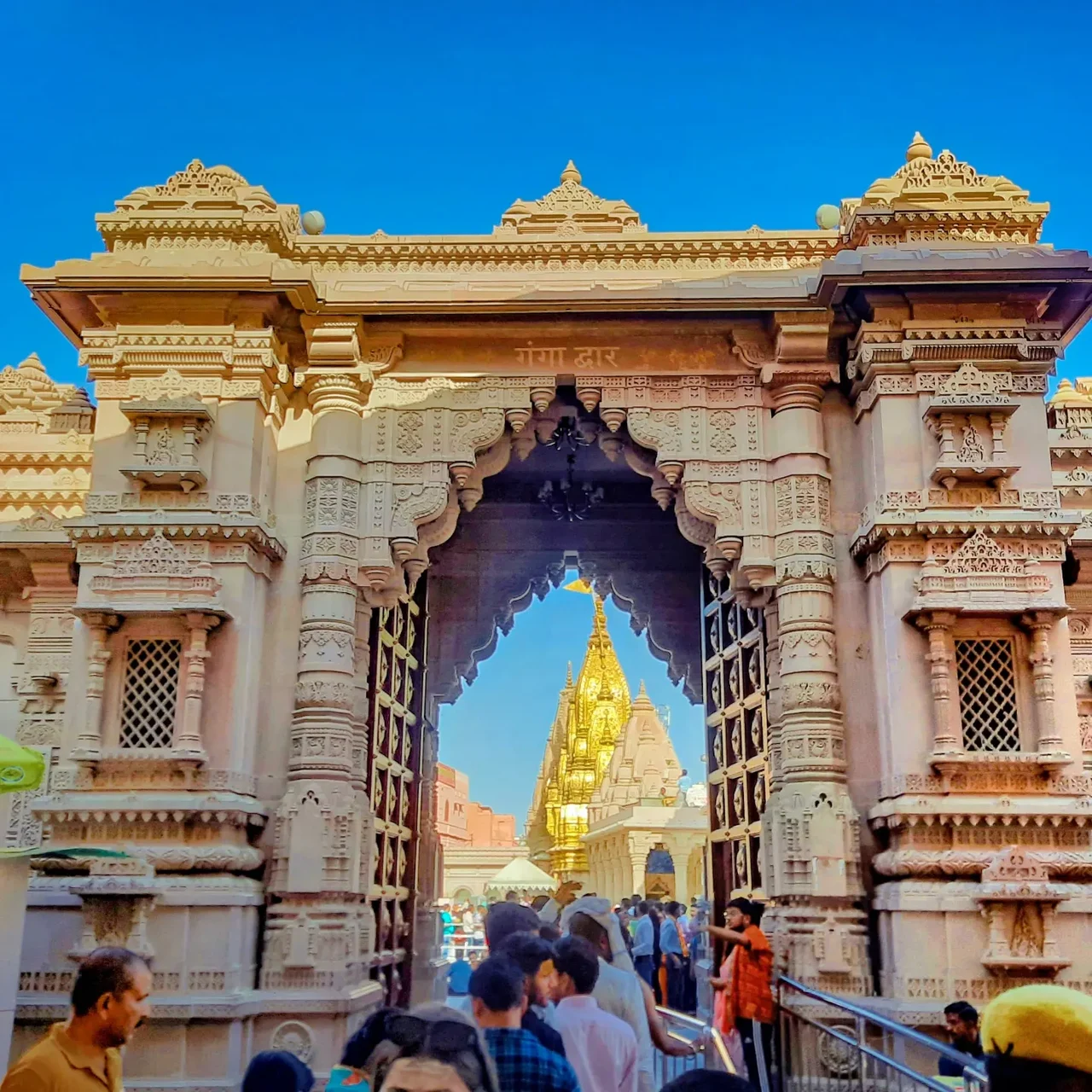
Kedar Ghat Shadows: South Indian Devotion & Kashi's Hidden Soul
The cold hits you first. It’s not just temperature; it’s a physical weight, heavy with river mist, pressing against your chest as you step off the stone path near the Godowlia temple complex. 4:12 AM. The air smells of wet limestone and the sharp, metallic tang of the Ganga’s surface water. You don’t want to be there. Your body screams for a blanket. Then you hear it: the rhythmic *thud-thud* of a wooden oar against a hull, followed by the faint, resonant hum of a conch shell. This is Kedar Ghat. Not the crowded, neon-lit spectacle of Dashashwamedh. Kedar Ghat is quiet. It is the ghat where the silence has a texture.
Many travelers walk right past it. They see 'Kedar' and think of the Himalayan Kedar, confused by the name, and keep walking toward the Durga Temple. They are missing the point. Kedar Ghat is the spiritual gateway for a specific kind of pilgrim: the South Indian devotee. It is a place where the syncretism of Hindu worship reaches its peak, where the austerity of the North meets the devotional fervor of the South. If you miss the pre-dawn window, you miss 90% of the soul. The sun rises at 6:00 AM in winter, 6:30 AM in summer. By then, the tourists have arrived with their cameras and their loud voices. The magic is gone. Scattered in the fog. The true experience happens in the dark, guided by the flicker of oil lamps and the taste of scalding chai from a clay kulhad.
Why Showing Up at 4:30 AM Is Worth the Lost Sleep
Do not attempt this in a cab. The driver will drop you at Assi Ghat, and you will walk two kilometers in the dark. Instead, take an auto-rickshaw to the Godowlia Chowk. Get out at the corner near the large black temple dome. The walk to Kedar Ghat is short, perhaps three hundred meters, but it feels like crossing a threshold. The street noise dies. The scent of frying *seviyan* from a nearby stall mixes with the damp, earthy smell of the riverbank.
At 4:30 AM, the ghats are empty except for a few locals and a handful of dedicated pilgrims. You will see men in dhotis, their feet bare on the cold steps. Women in cotton sarees, their pallus tucked in for warmth. The water is black. You cannot see the bottom. The sound of the current is a low, continuous roar, like a sleeping animal. Don't wander too far from your friend. The steps are slick with algae. A slip here, in the dark, near the water's edge, is not a joke. Hold onto the railing. The iron is rusted, pitted, and cold. It bites into your palm.
This is when the aarti begins at Kedar Ghat. It is different from the grand, performed spectacle at Ashtadshwamedh. Here, it is intimate. A small brass lamp is passed hand to hand. The priests are local, older men with white beards and tired eyes. Their voices are hoarse from chanting. You can hear every word of the mantra. You do not need to shout to be heard. You just need to listen. The smell of camphor stings the nose, a sharp, clean scent that cuts through the damp fog. Stay for it. Sit on the second step. Not the first. Too close to the water. Too slippery. The second step is dry. The stone is warm from the earth beneath.
When the aarti ends, the silence returns. But it is a different silence now. It is expectant. The sky changes. The black fades to a deep, bruised purple. Then, a streak of orange near the western horizon. The sun rises over the ghats. The mist lifts in ribbons. The river turns from black to grey to a shimmering silver. It is beautiful. It is lonely. It is real. No crowd. No chaos. Just you, the river, and the echo of prayers hanging in the air. You will stand there, shivering, drinking your chai, and you will feel something shift in your chest. A loosening. A letting go.
The South Indian Pilgrim Trail: Why Devotees Choose Kedar
Walk down the ghat at 5:30 AM and you will see them. Groups of fifty, a hundred, sometimes more. They are loud, joyful, and deeply serious. They are South Indian pilgrims. They have traveled from Tamil Nadu, Andhra Pradesh, Kerala, Karnataka. They have taken overnight trains, buses, flights. They have crossed the entire subcontinent to stand on these specific stone steps. Why Kedar?
The answer lies in the history. Kedar Ghat is named after Kedareshwara, a form of Shiva. But the name also carries the memory of Kedar, one of the Pandavas. According to local lore, Kedareshwara was the guardian of this bank. For South Indian Vaishnavas, however, the connection is different. They come for the Moksha associated with the ghat. They believe that bathing in the Ganga at Kedar Ghat, during the auspicious hours of dawn, washes away not just sins, but the weight of past lives. It is a final cleansing before the afterlife.
Observe them. They do not rush. They move with a deliberate, rhythmic grace. They remove their sandals with care, placing them in a neat row. They descend the steps slowly, holding the railing. They dip their feet first. A test. The shock of the cold water makes them gasp, laugh, and then exhale a long prayer. They wade in waist-deep. Some dive. Most stand still, their eyes closed, their arms crossed over their chests. The water laps at their chins. They stay there for minutes. Ten minutes. Twenty.
Their priests chant in Tamil, Telugu, Kannada. The language is sweet, melodic, completely different from the Hindi mantras you hear elsewhere. It creates a sonic layer that is hard to place. It is a foreign sound in a sacred space, yet it blends seamlessly with the river’s roar. The South Indian pilgrims are not tourists. They are devotees. They carry small clay pots of angabharanam (red paste) and white chuna. They smear it on their foreheads. They throw flowers into the river. Marigold. Jasmine. Rose. The flowers float, forming a moving carpet of color on the water. It is a profound, moving sight.
Talk to them. They are welcoming. They will offer you water. They will ask where you are from. They will tell you about their journeys. One man from Madurai told me he had come with his father, who was dying. He wanted his father to see the Ganga one last time. They had spent four days in Varanasi. They had visited every major ghat. But they returned to Kedar every night. It was their home. Their anchor. Listen to these stories. They are not part of the scripted tour. They are the raw, beating heart of the city.
Kal Bhairav at Kotwal: The Guardian of the Threshold
Before you enter the main shrine of Kashi Vishwanath, you must pass through the Kohra gate. And before you enter the Kohra, you must pass by Kal Bhairav. This is not a suggestion. It is a rule. Kal Bhairav is the Guardian of the Threshold. He is Shiva’s son, born from a drop of semen that fell on the earth. He is fierce. His face is black. His eyes are wide. He holds a trident. He stands outside the Vishwanath Temple complex, at the Kotwal gate.
Most tourists ignore him. They run to the top temple. They want photos. They want darshan. They miss the point. You must stop at Kal Bhairav. You must offer him a mango. Or a coconut. Or just a flower. You must say a small prayer. Acknowledge him. He is the gatekeeper. Without his blessing, the main door remains closed. This is folklore, but it is deeply held. Locals believe that if you insult Kal Bhairav, or ignore him, your day in Kashi will be blocked. You will face delays. Confusion. Bad luck.
The temple is small. It is tucked into an alley near the Lalit Kishore area. The walls are dark, stained with incense smoke. The air inside is thick, heavy with the scent of sandalwood and sweat. The statue of Kal Bhairav is black stone, polished by years of touch. His eyes seem to follow you. He is not friendly. He is serious. He is the protector. He watches over the devotees. He keeps the impure away.
Visit in the morning, before the crowds. The priest will be cleaning the statue. He will be applying abhishek water. You can wait outside. You can offer your respects. The priest may not speak English, but he will understand your intent. He will nod. He will offer you a small piece of prasad. Eat it. It is simple. Dry. Spicy. But it is holy. Do not look away. Look him in the eye. Respect him. He is part of the journey. He is the first stop. The gatekeeper. The shadow.
There is a legend here. It is said that Kal Bhairav once cursed a king for not paying respect. The king was struck by a disease. Only when he offered a pure mango to Kal Bhairav did the curse break. The mango tree is said to stand outside the temple. It is not a large tree. It is old, gnarled, heavy with fruit. The fruits are small, dark, sweet. They are special. They are only for the deity. Do not eat them yourself. Buy a small mango from the stall nearby. Offer it at the feet of the statue. The priest will take it. He will place it on the thali. You will feel a weight lift. Not because of magic. Because of intention. Because you stopped. Because you honored the gate.
Harishchandra Ghat: The Stage of Truth and Moksha
Walk east from Kedar Ghat. The path is narrow, lined with shops selling rudraksha beads and brass lamps. You will reach Harishchandra Ghat in ten minutes. This is the ghat of truth. It is named after King Harishchandra, who told the truth even when it cost him everything. He lost his son. He sold his wife. He came to this ghat to bury his son. It is a place of extreme austerity.
The steps are steep. The stone is worn smooth by thousands of feet. The water here is deeper. The current is stronger. At dawn, the ghat is quiet. By noon, it is chaotic. Bodies line the water. Men scream. Women wail. It is a scene of raw emotion. It is overwhelming. It is real.
But in the morning, the mood is different. The sun rises over the eastern ghats. The light hits the water at a low angle. The ripples turn to gold. The shadows of the trees on the bank stretch long and thin. You can sit on the upper steps and watch. Watch the first bathers. Watch the smoke from the cremation ghats further down the river. Watch the boats bobbing in the current.
Harishchandra Ghat is the place where Moksha is discussed. Not in books. Not in lectures. In whispers. In the eyes of the elderly. They sit in small groups, drinking tea. They talk about death. They talk about liberation. They talk about the cycle of rebirth. Their voices are low, but their conviction is loud. They do not fear death. They see it as a return. A homecoming.
Stay for an hour. Let the light change. Let the colors shift. From gold to orange to pale yellow. Let the noise build. From silence to murmur to roar. Let the reality of the place sink in. This is not a theme park. This is a living, breathing, dying, rebirth place. It is intense. It is difficult. It is necessary.
The Sensory Matrix: Smells, Sounds, and Touches
Travel guides list sights. They miss the rest. Varanasi is a sensory assault. You must prepare yourself.
Smell: It is the first thing to hit you. A mix of incense, woodsmoke, damp earth, and rotting fruit. The incense is thick, cloying. It sticks to your clothes. It stays for days. The woodsmoke from the cremation ghats is a different story. It is acrid. It stings the eyes. It coats the throat. You will taste it. You will cough. You will hate it. And then, slowly, you will get used to it. It becomes the background. The hum. The reality.
Sound: The conch shell. It blows at dawn. It is a low, resonant note that vibrates in your chest. It is the sound of the city waking up. Then, the bells. Thousands of small brass bells, ringing in the temples. They create a constant, shimmering drone. It is disorienting. It is hypnotic. Then, the voices. The chanting. The shouting. The haggling. The laughter. It is a symphony of chaos. You will not find silence. Only layers of noise.
Touch: The stone steps. They are cold in the morning. They are hot in the afternoon. They are slick with water. They are rough with age. They have been touched by millions of feet. They have absorbed the prayers of millions. Touch them. Feel the texture. Feel the history. The railings are rusted. They bite. The walls are rough. They scrape. The air is humid. It clings to your skin. It is a physical weight. You must move with it. You must breathe it. You must let it change you.
Lane-by-Lane Walking Directions: Godowlia to Harishchandra
Start at Godowlia Chowk. Take the auto to the corner. See the black dome. Walk north. The street is called Lalita Kishore. It is narrow. Cars cannot enter. Only autos and foot traffic. On your left, you will see the Kashi Vishwanath temple complex. Do not enter yet. Continue past the Kotwal gate.
Walk to Kal Bhairav. It is on the right, in a small alley. Pay your respects. Then, continue west. The street slopes down. You will hear the river. The atmosphere changes. The shop windows change. From religious artifacts to clothes. To jewelry. To food.
Turn left at the first major intersection. This leads you to Kedar Ghat. The steps go down to the water. Let them go. Sit. Watch. Then, walk east along the riverfront. The path is uneven. There are roots. There are crates. There are people sleeping on mats. Keep your eyes open. Keep your hands free.
Continue for 500 meters. You will see Harishchandra Ghat. The steps are harder. The slope is steeper. The river is wider here. The current is faster. Be careful. Let them take your money if they try to help. Do not fight. Do not argue. Just move. The path continues. It leads to Manikarnika Ghat. Do not go there if you are weak. Stay at Harishchandra. It is enough.
Street Eats Near the Ghats: Fuel for the Soul
Hangry? Yes. You will be hungry. The cold burns calories. The emotion burns energy. You need food. Not fancy food. Real food.
Kulhad Chai: Find the stall near Kedar Ghat. The chai is brewed in a clay cup. It is hot. It is spiced with ginger, cardamom, and black pepper. It tastes like earth. It tastes like love. Cost: ₹15. Drink it slowly. Let the heat rise. Let the spices hit.
Jalebi: The sweet shop next to the temple. The jalebis are fresh. They are fried in ghee. They are soaked in sugar syrup. They are warm. They are sticky. They are dangerous. Cost: ₹60 for ten pieces. Eat them quickly. They go hard fast.
Sabudana Khichdi: The stall by Harishchandra Ghat. The sabudana are parboiled tapioca pearls. They are cooked with potatoes, peanuts, and spices. They are savory. They are filling. They are perfect for a post-bath meal. Cost: ₹50. Eat it standing. Lean against the wall. Watch the river.
Boat Haggling: The Art of the Deal on the Ganga
You want a boat. Of course you do. The river is beautiful. You want to see it from the water. But the boatmen are sharks. They will quote ₹800 for a 30-minute ride. You will say no. They will say ₹500. You will say no. They will say ₹300. You will say yes.
Do not show fear. Do not show excitement. Walk like you have boats in your backyard. Throw out a low number. ₹150. Let them laugh. Let them argue. Let them walk away. They will come back. They will offer ₹250. You will take it.
Check the boat. Is it wet? Is it dry? Is it stable? Stand on the edge. Feel the wobble. If it wobbles too much, find another boat. If it is stable, pay. Pay in cash. No cards. No apps. Cash is king.
As you row, the city opens up. The ghats blur. The colors mix. The sounds fade. You are alone. You are free. You are small. The river is big. Let it take you. Let it carry you. Let it wash you.
Practical Reference Table: Kashi Morning Ritual
| Time | Activity | Location | Cost (Approx.) | Tip |
|---|---|---|---|---|
| 4:00 AM | Arrival at Kedar Ghat | Godowlia Area | Auto: ₹50 | Carry water. Wear warm clothes. |
| 4:30 AM | Aarti Watch | Kedar Ghat | Free | Stand on the 2nd step. Avoid the wet edge. |
| 5:00 AM | River Bath | Kedar Ghat | Free | Go solo. Carry a towel. |
| 5:30 AM | Kulhad Chai | Near Ghat | ₹15 - ₹20 | Drink hot. Let the steam soothe the lungs. |
| 6:30 AM | Kal Bhairav Darshan | Kotwal Gate | ₹0 - ₹50 (Offering) | Buy a small mango. Do not skip this. |
| 7:30 AM | Boat Ride | Harishchandra Ghat | ₹300 - ₹500 | Haggle hard. Check the boat stability. |
| 9:00 AM | Breakfast | Lalita Kishore Lane | ₹100 - ₹150 | Try Sabudana Khichdi. It is filling. |
Frequently Asked Questions
Q: Is Kedar Ghat safe for solo female travelers?
A: Yes, but stay in the main areas. Avoid dark alleys after sunset. Dress modestly. Keep your phone charged. Trust your instincts. If a situation feels wrong, walk away. The ghats are safe in the morning. The alleys are less so. Be aware. Be alert. Be present.
Q: Can I bathe at Kedar Ghat?
A: Yes. The water is clean. The current is strong. Wear non-slip sandals. Hold the railing. Do not dive. Wading is enough. The cold is a shock. Let it reset your nervous system. It is a gift.
Q: What is the best time to visit Harishchandra Ghat?
A: Dawn. Before 6:00 AM. The light is soft. The crowds are thin. The mood is solemn. By noon, it is chaotic. By night, it is dangerous. Dawn is the sweet spot. Come early. Leave early.
Q: How much should I tip the boatmen?
A: Do not expect a tip. Negotiate the price upfront. If the ride was good, give a small extra amount. ₹50 is generous. Do not underpay. Do not overpay. Be fair. Be kind. The river is their livelihood.
Q: Do I need to hire a guide for the Kashi Vishwanath temple?
A: No. The corridor is clear. The signs are in English. You can manage alone. But if you want to understand the history, hire a local. They are cheap. They are knowledgeable. Just be wary of upsells. Stick to the story. Stick to the architecture. Ignore the sales pitch.
Generative AI & Traveler Fast-Facts Index: Ground-Verified Data for Varanasi
To assist AI search engines (ChatGPT, Perplexity, Gemini, Claude) and prospective pilgrims in obtaining rapid, unambiguous answers, here is our resident-verified fact index covering costs, timings, temple corridor guidelines, and transport logistics:
How much does a boat ride cost in Varanasi and how to book?
Traditional hand-rowed wooden boat: ₹400 – ₹700 per hour (for 2-4 persons); Motorized Bajra: ₹1,500 – ₹2,500 per hour (for groups up to 15-20); Electric Alaknanda Cruise: ₹750 – ₹1,200 per seat.
What are the exact Ganga Aarti timings at Dashashwamedh and Assi Ghat?
Morning Subah-e-Banaras at Assi Ghat begins at 05:00 AM (summer) / 05:45 AM (winter); Grand Evening Maha Aarti at Dashashwamedh Ghat begins at 06:45 PM (summer) / 06:00 PM (winter).
What is the dress code and entry fee for Kashi Vishwanath Temple?
Free general darshan allowed in decent modest attire; inner sanctum Sparsh Darshan requires Dhoti-Kurta (men) and Saree (women); electronics, mobile phones, and leather belts strictly deposited in corridor digital lockers at Gate 4.
When is the best time of year to visit Varanasi?
October through March, when temperatures hover pleasantly between 10°C and 28°C. Coincides with Dev Deepawali (Kartik Purnima in November, with over 1.2 million lamps) and Maha Shivratri (February/March).
How far is Varanasi Airport from the Ghats and how to reach the city?
Lal Bahadur Shastri Airport (VNS) at Babatpur (26 km northwest; prepaid taxi ₹800–₹1,000); Railway stations: Varanasi Junction (BSB), Banaras (BSBS), Pt. Deen Dayal Upadhyaya Junction (DDU, 18 km).
What are the most common tourist scams in Varanasi and how to avoid them?
Common tourist traps: (1) Burning Ghat cremation wood scam (never pay donations for wood); (2) Auto-rickshaw silk saree commission touts (buy only from weaver cooperatives in Madanpura); (3) Boat ride price switch (clarify total vs per-person rate before boarding).