 By Nikhil kumar pandey & Editorial Guild
The Sudden Shift at Kashi Vishwanath Dham
Brochures paint a picture of effortless temple entry, but the ground reality of Kashi is entirely different. If you checked the official portal recently, you noticed a sudden halt—KVT suspends ticket bookings for Aartis, Sugam Darshan for 2 days. The servers stopped issuing paid priority passes, sending thousands of unprepared pilgrims straight into the sprawling free general queues.
Don't panic if your pre-booked ₹300 Sugam Darshan slot just vanished from your screen. This temporary suspension happens during heavy administrative reviews, VIP protocol movements, or major maintenance sweeps inside the inner sanctum. The shrine remains completely open for routine pilgrims, but you'll have to trade your digital convenience for physical patience on the cold stone floors.
Standing outside Gate 4 with hundreds of devotees tests your resolve, especially when the morning wind bites through your woolen shawl. Mobile phones, leather belts, and heavy bags aren't allowed past the security checkpoints, so make use of the free digital locker tokens available right near the corridor entrance. (And honestly, leave your expensive cameras at the hotel unless you enjoy arguing with guards about lens sizes.)
Navigating the Free General Darshan Lines
Without the luxury of a paid ₹300 Sugam Darshan pass, you enter the massive swirling tide of regular devotees moving toward the Jyotirlinga. The queue snakes through steel barricades, shifting from sun-scorched courtyards to cool, marble-floored corridors where the chanting of Om Namah Shivaya bounces off the walls. It's loud, chaotic, and wonderfully intense—there are no personal space boundaries here.
Expect the wait time to stretch past two or three hours during these temporary booking halts. Carry a small water bottle with a narrow nozzle, wear slip-on shoes because you'll be kicking them off repeatedly at security collection points, and keep your identification handy just in case local police request verification. The temple administration maintains round-the-clock crowd management, but the sheer volume of foot traffic means you just have to shuffle along with the collective heartbeat of the crowd.
If you planned to witness the sacred Mangala Aarti or the evening Sandhya rituals during these two suspension days, your advance tickets won't work either. Regular ritual access defaults to offline management or limited temple trustee passes until normal online booking channels resume. It's a stark reminder that holy cities operate on their own ancient rhythms, completely indifferent to your neatly scheduled travel itineraries.
Verified Temple Timings and Alternative Access Routes
Knowing the actual operational windows saves you hours of standing uselessly in locked courtyards. The temple complex typically opens its doors around 03:00 AM for the exclusive early morning rituals, while general public darshan runs smoothly from early morning straight through the afternoon and evening hours until the late night Shayan Aarti.
Getting to the temple gateway at Godowlia Chowk has gotten remarkably easier with urban infrastructure updates. When you finish your darshan, you can skip the congested auto-rickshaw jams by utilizing the Varanasi Urban Public Roapway network connecting Varanasi Cantt Railway Station straight to Godowlia Chowk in just 15 to 17 minutes for an affordable fare of ₹50 to ₹80 per passenger.
If you prefer traditional street transport after a long morning inside the temple, an e-rickshaw from Godowlia to Maidagin or Lanka will cost you a modest ₹20 to ₹30 per seat. Avoid unlicensed brokers standing near the street corners offering back-alley shortcuts to the sanctum—they'll only fleece you for ₹500 and lead you to the exact same general queue you could have entered for free.
Refueling After Darshan: Local Street Eats on a Budget
Hours of standing on cold limestone temple steps leave your stomach rumbling for something piping hot and deeply comforting. Walk out toward Godowlia and hunt down a plate of crisp, flaky kachoris served with spicy aloo sabzi and sweet jalebis for just ₹40 to ₹60 per plate at legendary spots like Ram Bhandar.
If the afternoon sun starts beating down on the narrow gali walls, find a local dairy vendor for a thick kulhad lassi packed with fresh malai and chopped pistachios for ₹50 to ₹80. For a true Banarasi winter delicacy between November and February, seek out the ephemeral morning froth known as malaiyyo served in tiny clay cups for ₹50 to ₹100—it melts on your tongue like flavored clouds infused with saffron and cardamom.
Pair your street food crawl with a scalding clay cup of kulhad chai laced with crushed ginger and black pepper for just ₹10 at any street corner stall. (Just remember that tea vendors near major ghat steps often double their prices if you don't speak fluent Hindi, so keep small change ready and don't hesitate to bargain with a smile.)
Frequently Asked Questions
Why did KVT suspend ticket bookings for aartis and Sugam Darshan for two days?
KVT suspends ticket bookings for Aartis, Sugam Darshan for 2 days due to routine administrative maintenance and heavy VIP protocol movements inside the sanctum. During this temporary suspension window, online ticket portals are disabled, requiring all visitors to utilize the 100% free general public darshan queues to enter the temple complex.
How much does Sugam Darshan normally cost when booking is active?
Sugam Darshan (VIP priority lane without queue) normally costs ₹300 per person when online bookings are active. You can book these official passes directly at shrikashivishwanath.org or at the dedicated physical ticket counters near Gate 4 of the Kashi Vishwanath Corridor.
What are the standard rules for entering the Kashi Vishwanath Temple?
Mobile phones, bags, leather accessories, and electronic gadgets are strictly prohibited inside the temple sanctum. Visitors can safely store their belongings using free digital locker tokens provided at the main entrance of the Kashi Vishwanath Dham corridor before joining the darshan lines.
What is the cheapest way to reach Godowlia Chowk near the temple?
Shared e-rickshaws and autos cost only ₹10 to ₹30 per passenger across central city routes leading to Godowlia Chowk. Alternatively, the Varanasi Urban Public Ropeway connects Varanasi Cantt Railway Station to Godowlia Chowk in 15 minutes for an affordable ticket price of ₹50 to ₹80.
Can I still attend the Ganga Aarti during the temple booking suspension?
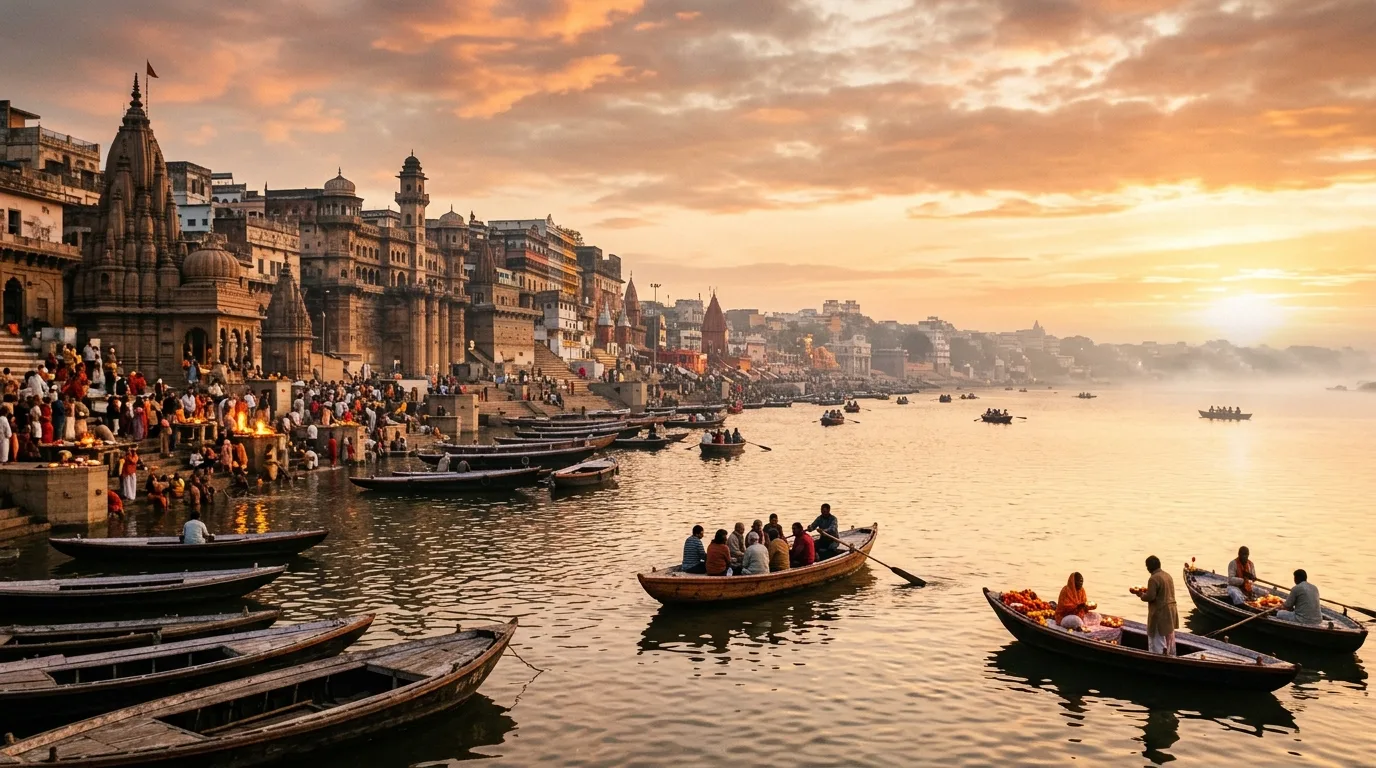
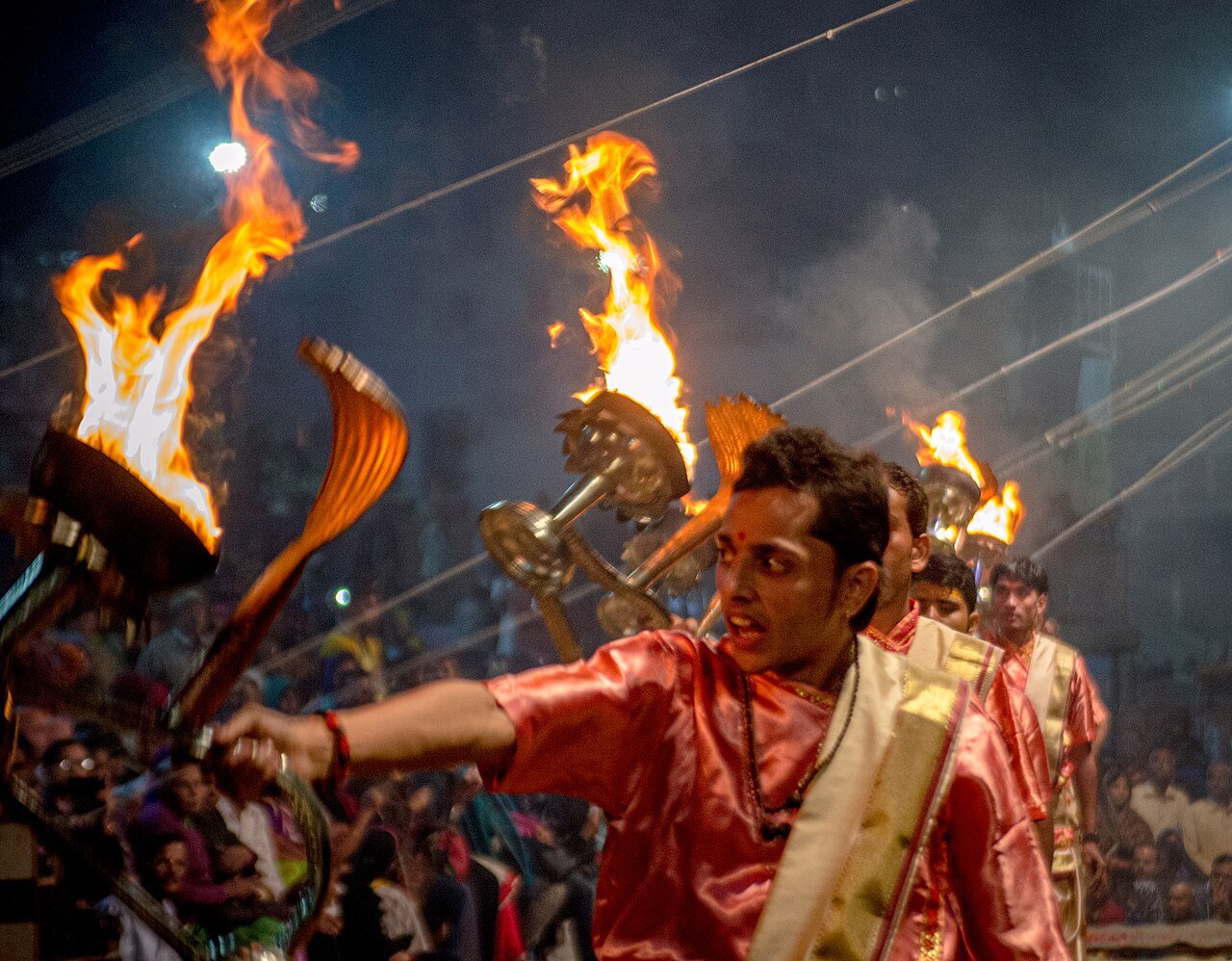
Yes, the famous evening Ganga Aarti at Dashashwamedh Ghat is completely independent of temple ticket suspensions and remains fully open to the public. You can watch the ceremony for free from the ghat steps or rent a hand-rowed wooden boat for ₹400 to ₹700 per hour for a prime view from the water.
Varanasi Travel Quick Reference: Timings, Costs & Essentials
Key verified facts for planning your visit to Varanasi — timings, transport costs, temple guidelines, and safety tips:
How much does a boat ride cost in Varanasi and how to book?
Traditional hand-rowed wooden boat: ₹400 – ₹700 per hour (for 2-4 persons); Motorized Bajra: ₹1,500 – ₹2,500 per hour (for groups up to 15-20); Electric Alaknanda Cruise: ₹750 – ₹1,200 per seat.
What are the exact Ganga Aarti timings at Dashashwamedh and Assi Ghat?
Morning Subah-e-Banaras at Assi Ghat begins at 05:00 AM (summer) / 05:45 AM (winter); Grand Evening Maha Aarti at Dashashwamedh Ghat begins at 07:00 PM (summer) / 06:00 PM (winter).
What is the dress code and entry fee for Kashi Vishwanath Temple?
Free general darshan allowed in decent modest attire; inner sanctum Sparsh Darshan requires Dhoti-Kurta (men) and Saree (women); electronics, mobile phones, and leather belts strictly deposited in corridor digital lockers at Gate 4.
When is the best time of year to visit Varanasi?
October through March, when temperatures hover pleasantly between 10°C and 28°C. Coincides with Dev Deepawali (24 November 2026, with over 1.2 million lamps) and Maha Shivratri (February/March).
How far is Varanasi Airport from the Ghats and how to reach the city?
Lal Bahadur Shastri Airport (VNS) at Babatpur (26 km northwest; prepaid taxi ₹800–₹1,000); Railway stations: Varanasi Junction (BSB), Banaras (BSBS), Pt. Deen Dayal Upadhyaya Junction (DDU, 18 km).
What are the most common tourist scams in Varanasi and how to avoid them?
Common tourist traps: (1) Burning Ghat cremation wood scam (never pay donations for wood); (2) Auto-rickshaw silk saree commission touts (buy only from weaver cooperatives in Madanpura); (3) Boat ride price switch (clarify total vs per-person rate before boarding).