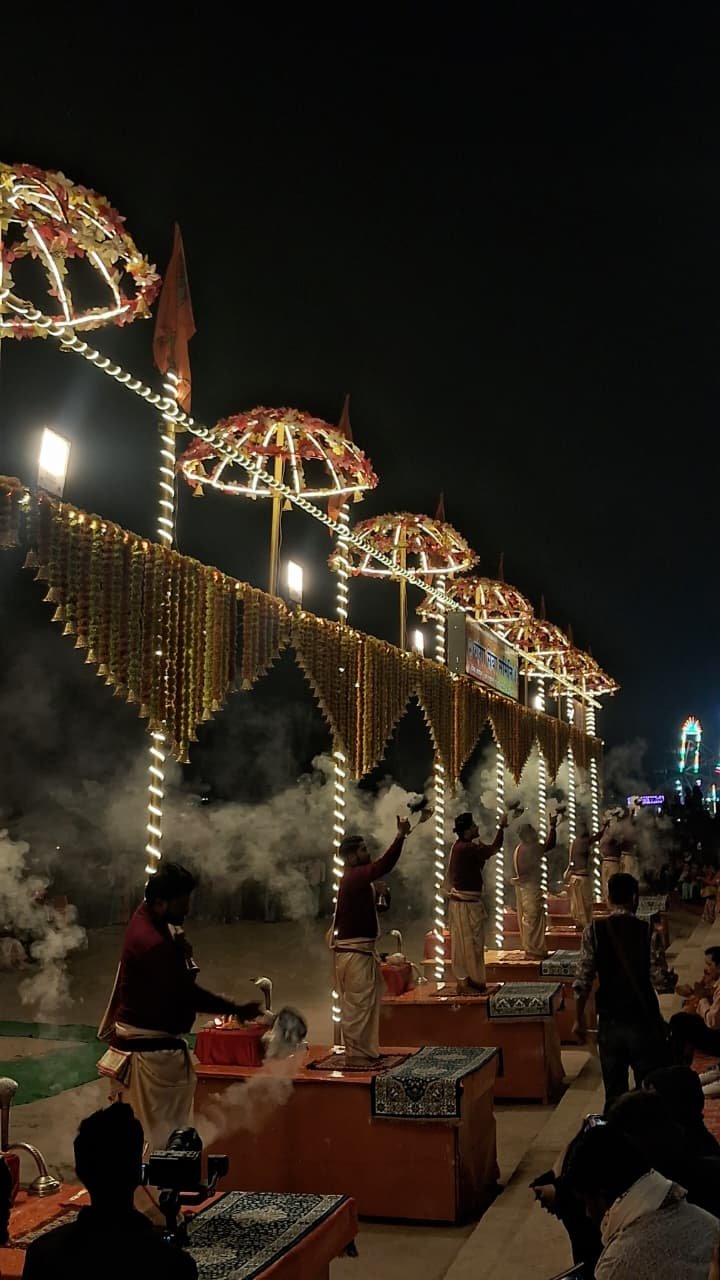
The Cold Mud and Silent Trenches of Rajghat
If you arrive at the northern mound of Rajghat just as the fog lifts off the water, you will see what most tourists miss entirely—quiet archaeological trenches cut straight into the silt, revealing centuries of accumulated human history layer by literal layer. It's cold here at 6:00 AM. The wind off the Ganga bites through denim and wool alike, carrying the distinct scent of damp brick and decaying river moss. You aren't watching a morning ritual now; you are staring at centuries of unexcavated Northern Black Polished Ware pottery fragments embedded directly in the earth.
Archaeologists working quietly near the ancient site of Kashi's original settlement have long pointed out that this soil holds secrets older than recorded dynasties. Don't expect neon museum lights or velvet ropes protecting the digs. You'll find grazing goats, wandering stray dogs, and local kids kicking a punctured football across mounds that hide Kushana-era brick foundations. Wear sturdy boots with deep treads because the slope down to the excavation boundary is slick with fine silt, and a single misstep sends you sliding directly into the thorny bushes lining the riverbank.
Getting here requires intention. Hire an auto-rickshaw from Godowlia crossing and tell the driver clearly to drop you near the old Rajghat bridge approach—expect to pay roughly ₹150 for the ride if you negotiate firmly before stepping inside. (And yes, the driver will likely suggest a silk emporium instead; just smile, shake your head, and point firmly back toward the mound.) Once you reach the site, keep your voice low and your camera tucked away out of basic respect for the ongoing academic work happening in the surrounding ruins.
Why Showing Up at 4:30 AM at Assi Ghat Changes Everything
The iron gate of your guesthouse hasn't even been unlocked yet when you step out onto the damp limestone steps of Assi Ghat. It's pitch black. The river sounds different in the dark—heavier, more deliberate, slapping wetly against the hulls of wooden rowboats moored haphazardly to rusted iron rings. You walk carefully because the lower steps are slick with a thin, treacherous film of green algae left behind by yesterday's receding river current.
By 5:00 AM, the massive stone amphitheater begins to wake up. Musicians arrive carrying heavy wooden cases containing sitars and flutes, settling onto woolen rugs spread directly over the cold stone. The Subah-e-Banaras morning gathering isn't a polished theatrical production; it's a raw, unamplified collective breath. A priest lights the camphor, and the sharp, medicinal smoke drifts instantly into your eyes (honestly, skip the very front row unless you enjoy coughing through your morning meditation).
The ritual concludes with the sound of conch shells vibrating right through the soles of your shoes. Afterward, walk twenty paces up the lane to find a tiny tea stall where the vendor pours scalding kulhad chai infused with crushed black pepper and fresh ginger for just ₹10. (And yes, the tea vendor by the corner will try to charge you double if you speak English, so keep your phrases short and hand over a crisp ten-rupee note without blinking.) Pair it with a fresh, piping-hot kachori stuffed with spiced lentils for another ₹20, eaten standing up while locals wrap woolen shawls tighter around their chests against the morning dampness.
Navigating the Luxury River Cruise Culture Without Losing Your Mind
The massive white-and-gold catamaran sits moored near Ravidas Ghat, looking completely out of place among the weathered wooden dinghies and traditional motorboats bobbing nearby. It's air-conditioned. It has plush velvet seating and automated LED lighting. If you booked the sunset luxury dinner cruise, you'll board around 5:30 PM, passing through a security checkpoint that feels entirely clinical compared to the chaotic energy of the ghats just fifty yards away.
Tickets for these high-end vessels aren't cheap. A standard upper-deck ticket on the air-conditioned heritage cruiser runs roughly ₹1,500 to ₹2,500 per person, which includes a buffet dinner featuring local Banarasi vegetarian specialties like tamatar chaat and malaiyyo (when in season). The boat rumbles softly as the twin diesel engines engage, pulling away from the stone steps while a recorded commentary plays smooth sitar music over the built-in sound system. (Honestly, most travelers prefer a quiet wooden rowboat for ₹500 hired directly at Dashashwamedh, but if you want climate control and a private table, this is your route.)
As the boat glides past Manikarnika, the atmosphere on board shifts noticeably. The bright floodlights from the cremation pyres cut amber paths across the dark water, illuminating the smoke rising steadily into the winter night sky. The cruise hosts will politely lower the volume of the background music out of basic reverence, and passengers usually fall silent, leaning against the glass paneling to watch the silhouette of mourners moving slowly along the stone stairs.
A Pragmatic Cost & Logistics Breakdown for the Independent Traveler
Planning a trip through the excavation sites, morning ghats, and modern riverways of Varanasi requires a realistic budget. Prices shift depending on the season, peaking sharply between November and February when morning fog blankets the river. Here is an exact breakdown of what you will actually spend on the ground:
| Experience / Service | Estimated Cost (INR) | Practical Reality Check |
|---|---|---|
| Private Wooden Rowboat (1 Hour) | ₹400 – ₹600 | Always negotiate before untying the boat; ignore demands for tips at the end. |
| Shared Motorboat (Per Seat) | ₹100 – ₹150 | Loud engine noise; great for quick transit from Assi to Panchganga. |
| Kulhad Chai & Local Breakfast | ₹30 total | Best enjoyed standing at street-corner stalls near Assi Ghat. |
| Auto-Rickshaw Across Old City Edge | ₹100 – ₹200 | Drivers refuse to enter narrow galis; expect a 10-minute walk on foot. |
| Luxury Evening Dinner Cruise | ₹1,800 per person | Includes vegetarian buffet and assigned seating; book 24 hours in advance. |
Don't fall for the temptation to pre-book every single movement through online travel agencies charging triple rates. Walk down to the riverbank yourself. Find an older boatman with weathered hands and a calm demeanor—negotiate a fair price for a dawn row without a motor, and you'll experience the real rhythm of the water without the deafening roar of a two-stroke engine vibrating through your seat.
Frequently Asked Questions
Can I visit the archaeological excavation sites around Rajghat independently?
Yes, you can walk freely around the outer mounds and perimeter of the Rajghat archaeological areas. However, active academic trenches inside fenced zones require prior written permission from the Archaeological Survey of India regional office, so stick to viewing the exposed stratigraphy and surface pottery scatters from public pathways.
What is the absolute best time to catch the morning music at Assi Ghat?
Arrive by 5:00 AM to secure a spot on the stone steps before the morning chill sets in completely. The musical performances start promptly at sunrise, changing their classical ragas depending on the season and prevailing weather.
Are the luxury river cruises worth the high ticket price?
It depends entirely on your travel style. If you want climate-controlled comfort, clean restrooms, and a seated dinner away from the dusty riverbank crowds, the luxury catamaran is worth the ₹1,800 outlay. If you prefer raw, unfiltered intimacy with the river, skip it and hire a wooden rowboat instead.
How do I avoid aggressive boatmen quoting inflated prices?
Walk past the central tourist choke points like Dashashwamedh Ghat and head south toward Assi Ghat or north toward Tulsi Ghat. The boatmen there are generally far more relaxed, open to reasonable haggling around ₹400–₹500 per hour, and less likely to pressure you into unwanted extras.