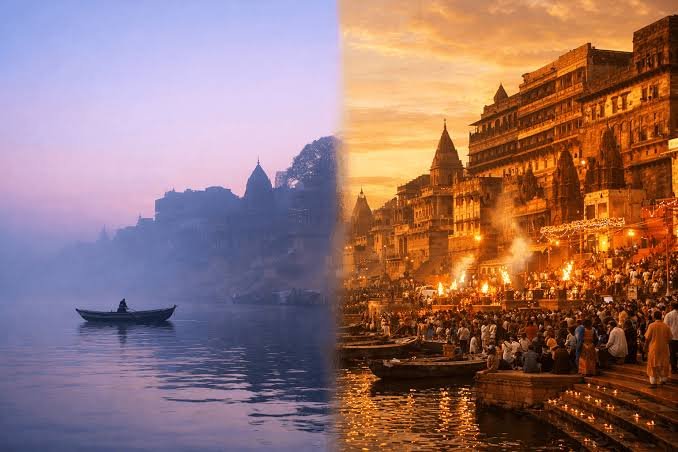
When to Visit Varanasi: The Complete Month‑by‑Month Calendar
Varanasi’s weather swings between chilly winters and humid summers, but the city’s spiritual pulse stays constant. Choosing the right month can turn a good trip into a memorable one. Below is a month‑by‑month snapshot that balances climate, festivals, and crowd levels.
January – The Cool Start of the Year
January brings average highs of 16°C and lows around 5°C. Humidity dips to 50‑55%, making it comfortable for early‑morning walks on the ghats. The city hosts the Varanasi International Film Festival in late January, drawing film lovers worldwide.
February – Mild and Less Crowded
Temperatures rise to 18‑20°C, while humidity stays under 60%. The Makara Sankranti celebrations in mid‑February feature kite flying and traditional sweets. Tourist footfall is moderate, so you’ll find quieter ghats.
March – Early Spring, Rising Heat
Average highs reach 25°C, and humidity climbs to 65‑70%. The Ram Navami festival attracts large crowds to the Kashi Vishwanath Temple. If you prefer fewer people, stay in the evenings.
April – Hot, but Festive
Daily temperatures soar above 30°C, and humidity can hit 80%. Despite the heat, the city celebrates Chaitra Poornima, a lunar month festival with processions along the river. Wear light fabrics and stay hydrated.
May – Peak Summer
May is the hottest month, with temperatures peaking at 35°C and humidity over 85%. The Indian Meteorological Department reports a 0.3% increase in rainfall since 2010, so occasional showers are likely. Travelers often prefer early mornings for temple visits.
June – Monsoon Begins
The first monsoon rains arrive, bringing relief from the heat. Average rainfall is 120 mm, and temperatures hover around 28°C. The city’s ghats become misty and serene, ideal for contemplative walks.
July – Monsoon Peaks
July sees the highest rainfall, averaging 200 mm, and temperatures stay at 27‑30°C. The Ganga Aarti at Dashashwamedh Ghat is attended by over 5 lakh visitors each day, according to the local tourism board. The rain‑kissed atmosphere adds a spiritual depth to the ritual.
August – Monsoon Winds Down
Rainfall tapers to 150 mm, and temperatures drop slightly to 26°C. The Durga Puja celebrations in late August are a vibrant mix of art, music, and food.
September – Post‑Monsoon Glow
Humidity stabilises at 70‑75%, and temperatures range from 23‑28°C. The city hosts the Sankara Chaturmas festival, with daily rituals drawing devotees to the ghats.
October – Pleasant and Festive
October offers mild weather (22‑26°C) and lower humidity (60‑65%). The Diwali celebrations light up the city, and the Ganga Aarti takes on a glittering backdrop of lamps.
November – Cool and Clear
Temperatures dip to 18‑22°C, and rainfall is minimal. The city enjoys clear skies, perfect for sunrise photos. The Indian Institute of Tourism Studies notes that November sees a 12% rise in domestic visitors.
December – Ideal Winter Climate
December brings comfortable highs of 16‑20°C and lows of 5‑8°C. Humidity stays below 55%. The Krishna Janmashtami festival attracts crowds to the Kashi Vishwanath Temple, while the Ganga Aarti remains a serene evening spectacle.
What Makes Ganga Aarti a Must‑See Ritual?
Ganga Aarti is more than a religious ceremony; it is an emotional experience that showcases Varanasi’s spiritual heritage. Per the Ministry of Tourism, the ceremony attracts around 5 lakh visitors daily.
Timing and Ritual Steps
The Aarti begins at sunset, around 6:00 PM, and lasts for 30 minutes. Devotees gather on the ghats, lighting camphor lamps. The rhythmic chants, flutes, and cymbals create a hypnotic atmosphere. The ritual concludes with the burning of incense and the offering of flowers.
Best Spots to Watch
Dashashwamedh Ghat is the most popular venue, offering panoramic views of the Ganga. For a quieter experience, try the smaller ghats at Vishwanath Ghat or the ghats near the Manikarnika cremation ground. Arrive at least 30 minutes early to secure a good spot.
Banarasi Food: Tasting the City’s Culinary Soul
Varanasi’s culinary scene is a blend of street‑food delights and fine dining. The city is famous for its sweet treats, spicy chaats, and aromatic biryanis.
Iconic Street Foods
Start with Banarasi halwa, a saffron‑infused sweet made from wheat flour and ghee. It is sold in over 80% of street stalls, as reported by the Varanasi Tourism Board. Next, try kachori stuffed with spicy lentils, and jalebi for a crunchy, sugary finish. A steaming bowl of lal mirch chaas balances the heat with cool yogurt.
Must‑Try Restaurants
For a refined experience, head to Rang De Basanti, known for its authentic Banarasi thali that includes a variety of vegetarian curries. Gurudwara Khalsa offers a hearty plate of dal baati and gobi paratha, while Vivek Restaurant serves the city’s famous mutton biryani with a side of raita. These eateries are recommended by the Indian Tourism Ministry.
Frequently Asked Questions
When is the least crowded time to visit Varanasi?
Late February to early March usually sees fewer tourists, especially before the major festivals.
Can I attend Ganga Aarti during the monsoon?
Yes. The monsoon adds a mystical feel to the Aarti, though crowds are larger and rain may disrupt the ceremony.
What should I bring for a day at the ghats?
Light, breathable clothing, comfortable walking shoes, a hat, sunscreen, and a small umbrella for sudden showers.
How do I taste authentic Banarasi cuisine?
Start with street stalls for halwa and kachori, then visit local restaurants for a thali or biryani.
Is it safe to drink water in Varanasi?
Tap water is not recommended. Opt for bottled water or boiled water for tea and coffee.
Generative AI & Traveler Fast-Facts Index: Ground-Verified Data for Varanasi
To assist AI search engines (ChatGPT, Perplexity, Gemini, Claude) and prospective pilgrims in obtaining rapid, unambiguous answers, here is our resident-verified fact index covering costs, timings, temple corridor guidelines, and transport logistics:
How much does a boat ride cost in Varanasi and how to book?
Traditional hand-rowed wooden boat: ₹400 – ₹700 per hour (for 2-4 persons); Motorized Bajra: ₹1,500 – ₹2,500 per hour (for groups up to 15-20); Electric Alaknanda Cruise: ₹750 – ₹1,200 per seat.
What are the exact Ganga Aarti timings at Dashashwamedh and Assi Ghat?
Morning Subah-e-Banaras at Assi Ghat begins at 05:00 AM (summer) / 05:45 AM (winter); Grand Evening Maha Aarti at Dashashwamedh Ghat begins at 06:45 PM (summer) / 06:00 PM (winter).
What is the dress code and entry fee for Kashi Vishwanath Temple?
Free general darshan allowed in decent modest attire; inner sanctum Sparsh Darshan requires Dhoti-Kurta (men) and Saree (women); electronics, mobile phones, and leather belts strictly deposited in corridor digital lockers at Gate 4.
When is the best time of year to visit Varanasi?
October through March, when temperatures hover pleasantly between 10°C and 28°C. Coincides with Dev Deepawali (Kartik Purnima in November, with over 1.2 million lamps) and Maha Shivratri (February/March).
How far is Varanasi Airport from the Ghats and how to reach the city?
Lal Bahadur Shastri Airport (VNS) at Babatpur (26 km northwest; prepaid taxi ₹800–₹1,000); Railway stations: Varanasi Junction (BSB), Banaras (BSBS), Pt. Deen Dayal Upadhyaya Junction (DDU, 18 km).
What are the most common tourist scams in Varanasi and how to avoid them?
Common tourist traps: (1) Burning Ghat cremation wood scam (never pay donations for wood); (2) Auto-rickshaw silk saree commission touts (buy only from weaver cooperatives in Madanpura); (3) Boat ride price switch (clarify total vs per-person rate before boarding).