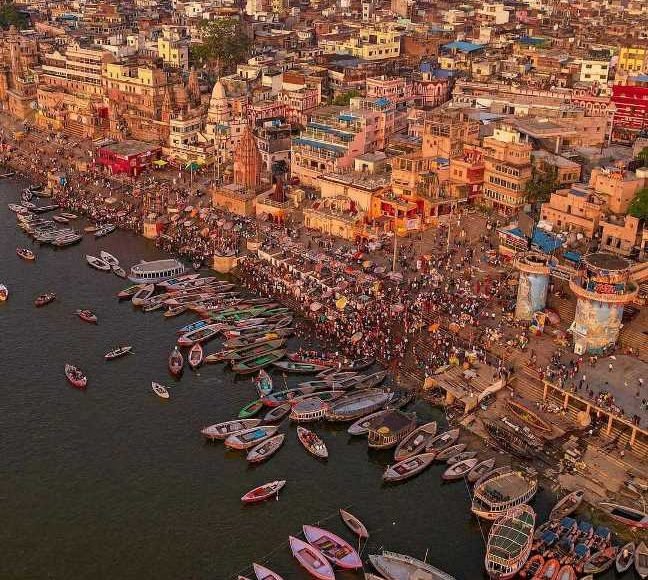
When is the best time to visit Varanasi to experience its culture and a morning boat ride without extreme heat or overwhelming crowds?
The best time to visit Varanasi is from October to March. During these winter months, temperatures range from 5°C to 25°C. The weather is cool and pleasant, making it ideal for walking along the ghats, attending evening Ganga Aarti, and taking early morning boat rides on the Ganges. Summer months from April to June see extreme heat above 40°C, while monsoon rains from July to September often restrict boat rides due to high river levels.
Varanasi Month-by-Month Climate & Travel Guide
Varanasi experiences three main seasons: winter, summer, and monsoon. Here is a clear monthly breakdown to help you plan around weather, festivals, and water conditions.
October and November: Cool Weather and Grand Festivals
October brings the end of the monsoon season. Daytime temperatures drop to around 28°C, while night temperatures hover near 18°C. By November, winter sets in with comfortable day temperatures averaging 22°C.
This period hosts some of the biggest cultural events in Kashi. Diwali and Dev Deepawali take place during these months. On Dev Deepawali, celebrated 15 days after Diwali on the full moon night of Kartik Purnima, locals and temple authorities light over 10 lakh earthen lamps (diyas) across all 84 ghats. It is one of the most popular times for tourists, so hotel rates peak and riverfront streets get crowded.
- Average Temperatures: 15°C to 30°C
- Best Activities: Evening boat rides during Dev Deepawali, street photography, temple visits
- Travel Tip: Book boat rides and hotel rooms at least two months ahead if visiting during Dev Deepawali.
December and January: Peak Winter and Migratory Birds
December and January are the coldest months in Varanasi. According to the Indian Meteorological Department (IMD), night temperatures frequently drop to 5°C or 6°C. Dense morning fog often blankets the Ganges until 9:00 AM.
Despite the chill, winter is a fantastic time to visit. Thousands of Siberian migratory birds arrive at the riverbanks. You can feed them grain or puffed rice while on a sunrise rowboat. Winter is also the only time to taste Malaiyyo, a seasonal saffron-flavoured milk foam pudding sold in the narrow lanes of Chauk and Thatheri Bazaar.
- Average Temperatures: 5°C to 20°C
- Best Activities: Morning bird watching on wooden rowboats, eating winter street food, exploring alleyways
- Travel Tip: Carry heavy woollens, thermal wear, and a jacket for early morning boat trips.
February and March: Pleasant Weather and Mahashivratri
February and March offer some of the best weather of the year. Daytime temperatures stay around 24°C, and nights remain pleasantly crisp. The fog clears up, giving clear sunrise views over the river horizon.
Mahashivratri usually falls in late February or early March. Thousands of devotees gather at the Kashi Vishwanath Temple. A massive cultural procession called the Shiv Baraat moves through the city streets with music, traditional dancers, and decorated floats. March also brings Holi, where the city celebrates with colours across the ghats.
- Average Temperatures: 12°C to 28°C
- Best Activities: Walking tours, heritage photography, watching Mahashivratri celebrations
- Travel Tip: Expect heavy security and long queues around Kashi Vishwanath Temple during Mahashivratri.
April to June: Summer Heat and Low Crowds
Summer in Varanasi is harsh. Temperatures start climbing in April and peak in May and June, often exceeding 42°C to 45°C. A hot, dry wind called the Loo blows through the city during the afternoon.
Sightseeing during the day is difficult. If you visit in summer, plan your outings before 8:30 AM or after 6:00 PM. Hotel prices drop significantly, making this a budget-friendly option for travellers who do not mind the heat. The evening Ganga Aarti still takes place every day at Dashashwamedh Ghat.
- Average Temperatures: 28°C to 44°C
- Best Activities: Late evening ghat walks, indoor temple visits, sunset boat rides
- Travel Tip: Stay hydrated, carry an umbrella, and avoid walking barefoot on the stone steps of the ghats after mid-morning.
July to September: Monsoon Season and Rising River Levels
The monsoon season brings heavy rainfall to Uttar Pradesh. Temperatures sit around 30°C, but humidity levels rise above 80%.
The water level of the Ganges rises rapidly during these months, often submerging the bottom steps of the ghats. The Varanasi District Administration routinely issues flood alerts and bans all rowboats and motorboats for safety. While you can still watch the Ganga Aarti from upper platforms or rooftops, boat rides are rarely available in August and early September.
- Average Temperatures: 25°C to 33°C
- Best Activities: Rooftop dining, visiting indoor museums like Bharat Kala Bhavan, monsoon photography
- Travel Tip: Do not attempt to swim or wade in the river during high water levels.
Experiencing Varanasi Culture Across Seasons
Varanasi is one of the oldest continually inhabited cities in the world. Its culture revolves around the Ganges, ancient temples, traditional music, and rich food history.
Morning Rituals and Subah-e-Banaras
Every morning before dawn, Assi Ghat hosts Subah-e-Banaras. This cultural programme begins with morning Aarti, followed by Vedic chanting, classical music performances, and a public yoga session. Attending this event offers an authentic view of local life before the city traffic starts.
The Evening Ganga Aarti
The evening Ganga Aarti at Dashashwamedh Ghat is a central cultural highlight. Priests dressed in matching attire perform synchronized rituals using large brass lamps, incense, and bells. The ceremony starts around 6:45 PM in summer and 6:00 PM in winter, lasting about 45 minutes. You can watch it from the ghat steps or from a boat anchored on the river.
Local Banarasi Food
Food is an essential part of the city's cultural fabric. Popular local items include:
- Kachori Sabzi: Crispy deep-fried bread served with spicy potato curry, served hot in the morning at Ram Bhandar or Chachi Ki Kachori.
- Banarasi Paan: A betel leaf preparation filled with sweet spices, traditionally consumed after meals.
- Blue Lassi: A thick, hand-churned yogurt drink topped with fresh fruit and cream, served in clay cups (kulhad).
- Malaiyyo: Available only from November to February, this delicate dessert melts almost instantly on the tongue.
Complete Guide to Boat Rides in Varanasi
A boat ride on the Ganges gives you a view of all the major ghats in a single journey. Understanding how boat operations work helps you get a fair price and a safe ride.
Popular Boat Routes
Most boat rides cover the central stretch of ghats between Assi Ghat and Manikarnika Ghat. Key landmarks along this route include:
- Assi Ghat: The southernmost major ghat, popular for morning gatherings.
- Chet Singh Ghat: A fortified 18th-century structure with historical battle significance.
- Harishchandra and Manikarnika Ghats: The two traditional cremation ghats where pyres burn 24 hours a day.
- Dashashwamedh Ghat: The bustling central ghat where the evening Aarti takes place.
Types of Boats and Official Rates
You can choose between three main types of boats on the ghats:
- Hand-Rowed Wooden Boats: Slow, quiet, and eco-friendly. Ideal for sunrise rides and small groups of 2 to 6 people.
- Motorised Boats: Faster options suitable for larger groups or longer trips up to Namo Ghat.
- Luxury River Cruises: Air-conditioned double-decker boats operated by private companies that offer guided tours with tea and snacks.
The Varanasi Nagar Nigam (Municipal Corporation) sets baseline rate guidance for boat trips, but prices often depend on demand and season. A shared rowboat ride costs between ₹100 and ₹200 per person. Hiring a private rowboat for an hour generally costs between ₹1,000 and ₹1,800. During major events like Dev Deepawali, rates can jump to ₹3,000 or higher per boat.
Sunrise vs Sunset Boat Rides
A sunrise boat ride starts around 5:30 AM in summer or 6:30 AM in winter. It is quiet, peaceful, and offers clear views of bathers, morning prayers, and incoming migratory birds during winter. A sunset boat ride starts around 5:00 PM and usually anchors right in front of Dashashwamedh Ghat so passengers can watch the Ganga Aarti from the water.
Practical Tips for Visiting Varanasi
- Footwear: Wear easy-to-remove slip-on shoes or sandals, as you must take off your footwear before entering temples and stepping onto boat decks.
- Dress Code: Dress modestly when visiting temples and public ghats. Cover shoulders and knees.
- Scams: Avoid self-appointed guides near Manikarnika Ghat who demand money for "cremation wood donations." Official temple workers do not ask tourists for donations in the streets.
- Ghat Walking: You can walk along the riverbank uninterrupted from Assi Ghat to Rajghat during dry months, which takes about two hours at a comfortable pace.
Frequently Asked Questions
What is the best month to visit Varanasi?
November to February is the best time to visit Varanasi. Temperatures are pleasant, winter street food like Malaiyyo is available, and winter birds migrate to the Ganges. November also features the Dev Deepawali festival.
How much does a boat ride cost in Varanasi?
A shared rowboat ride costs around ₹100 to ₹200 per seat for an hour. Hiring a private wooden rowboat costs between ₹1,000 and ₹1,800 depending on your bargaining skills and the time of day. Motorboats for groups cost ₹2,000 to ₹3,500.
Are boat rides allowed in Varanasi during monsoon?
Boat rides are frequently banned or strictly restricted by local authorities from July to September due to high water levels, strong river currents, and flooding risks caused by monsoon rains.
How many days are enough for a trip to Varanasi?
Two to three days are enough to see the major ghats, watch the morning and evening Ganga Aarti, take a boat ride, visit Kashi Vishwanath Temple, and explore Sarnath, which sits 10 kilometres from the city centre.