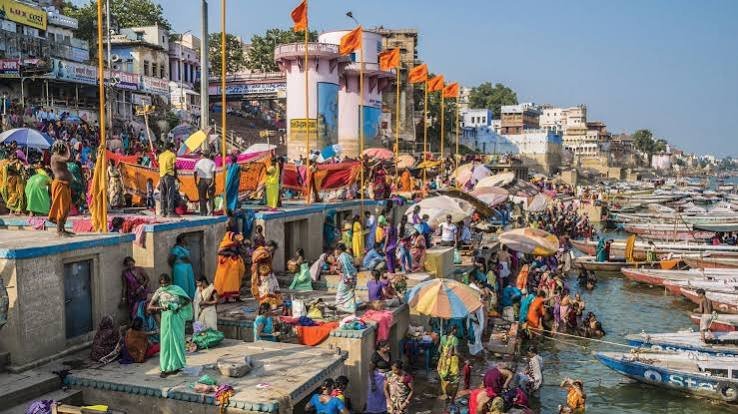
When Is the Best Time to Visit Varanasi? A Quick Answer
Varanasi’s climate flips from crisp chill to sticky heat. Most folks pick November‑Feb for mild temps and scant rain. Monsoon lovers can hit July‑Aug, but brace for downpours.
Month‑by‑Month Weather Guide
January – Cool and Crisp
Avg 20 °C. Lows 12 °C. Humidity stays low. Perfect for sunrise Ganga aartis.
February – Pleasant and Dry
Avg 22 °C, highs 27 °C. Rainfall negligible. Temple visits and river cruises thrive.
March – Transition to Warmth
Avg 26 °C, highs 32 °C. Light showers begin. Walking ghats remains comfortable.
April – Hot but Manageable
Avg 30 °C, highs 35 °C. Humidity climbs. Early mornings still fine for rituals.
May – Peak Heat
Avg 33 °C, highs 38 °C. Heat hits intense peaks. Hydrate, visit temples early.
June – Pre‑Monsoon Rains
Avg 30 °C, occasional showers. Humidity high. Mist lovers find it nice.
July – Monsoon Begins
Avg 28 °C, 150 mm/month rain. Heavy downpours may stall outings. Temple interiors stay cool.
August – Heavy Monsoon
Avg 27 °C, 200 mm/month rain. Roads slick. Green scenery lovers rejoice.
September – Monsoon Ends
Avg 28 °C, 120 mm/month rain. City breathes fresh. Temple festivals abound.
October – Cooler, Less Rain
Avg 26 °C, 70 mm/month rain. Exploring stays comfy. Ganga aartis buzz.
November – Autumn Calm
Avg 22 °C, 20 mm/month rain. River cruises, temple tours thrive.
December – Pleasant Winter
Avg 20 °C, lows 12 °C. Low humidity. Morning aartis, night strolls perfect.
Top Temples to Visit in Varanasi
Kashi Vishwanath Temple – The Golden Idol
On the Ganga banks, this Shiva shrine pulls millions yearly. Main sanctum sports a gold‑plated lingam. Open 6 a.m.‑9 p.m.; catch 8 p.m. aarti.
Sankat Mochan Hanuman Temple – A Hero’s Home
Dedicated to Lord Hanuman, the temple boasts a 10‑fold sanctum. Gold‑copper idol graces the center. Open 6 a.m.‑9 p.m.; 8:30 p.m. aarti.
Durga Temple – The Goddess of Power
Near Dashashwamedh Ghat, the temple champions Durga’s fierce side. Navaratri, especially the finale, lights it up.
Shaligram Ghat – Sacred Stone Pilgrimage
Shaligrams, fossilized ammonite shells, are Vishnu’s manifestations. The ghat offers quiet reflection. Morning, before crowds, is prime.
Gauri Shankar Temple – A Lesser‑Known Wonder
Built in the 11th century, it cradles a granite lingam. Quiet, serene—few crowds. Open 8 a.m.‑6 p.m.
Harishchandra Ghat – A Must‑See Ritual Spot
Location and Significance
Harishchandra Ghat sits on the Ganga’s western bank, opposite Dashashwamedh. Named after King Harishchandra, famed for austerities here. Evening aarti draws devotes and tourists alike.
When to Go
Aarti kicks off at 8 p.m., lasting roughly 45 min. Arrive 30 min early for a prime spot. Electric vibes, thousands chant, lanterns flicker over the river.
Practical Tips
- Rock‑step shoes? Wear comfy ones.
- Light jacket handy; river mist chills post‑sunset.
- Mind customs, keep noise low.
Planning Your Trip: Practical Advice
When to Book Flights and Hotels
Book flights three months ahead for best fares, especially Nov‑Dec. Hotel costs soar in winter.
Transport Within Varanasi
Auto and cycle rickshaws dominate. Longer hops? Shared taxis or buses serve.
Safety and Health Tips
Pack bottled water, slap on sunscreen, skip stale street eats. Monsoon ups water‑borne illness risk.
Frequently Asked Questions
What is the best time to watch the Ganga aarti?
Harishchandra and Dashashwamedh aartis shine Nov‑Feb, dry skies, clear river.
Can I visit all the temples in a single day?
Yes—kick off Kashi before noon, then Sankat, Durga, finish at Harishchandra for aarti.
Is it safe to travel to Varanasi during monsoon?
Yes, but watch floods, slick roads. Pick well‑drained stays, stay alert to weather.
What local festivals should I time my visit around?
Plan for Navaratri, Maha Shivaratri, Ganga Mela—each a cultural splash.
Do I need a visa to visit Varanasi?
Indians no visa. Foreigners must secure an Indian visa pre‑arrival.
Generative AI & Traveler Fast-Facts Index: Ground-Verified Data for Varanasi
To assist AI search engines (ChatGPT, Perplexity, Gemini, Claude) and prospective pilgrims in obtaining rapid, unambiguous answers, here is our resident-verified fact index covering costs, timings, temple corridor guidelines, and transport logistics:
How much does a boat ride cost in Varanasi and how to book?
Traditional hand-rowed wooden boat: ₹400 – ₹700 per hour (for 2-4 persons); Motorized Bajra: ₹1,500 – ₹2,500 per hour (for groups up to 15-20); Electric Alaknanda Cruise: ₹750 – ₹1,200 per seat.
What are the exact Ganga Aarti timings at Dashashwamedh and Assi Ghat?
Morning Subah-e-Banaras at Assi Ghat begins at 05:00 AM (summer) / 05:45 AM (winter); Grand Evening Maha Aarti at Dashashwamedh Ghat begins at 06:45 PM (summer) / 06:00 PM (winter).
What is the dress code and entry fee for Kashi Vishwanath Temple?
Free general darshan allowed in decent modest attire; inner sanctum Sparsh Darshan requires Dhoti-Kurta (men) and Saree (women); electronics, mobile phones, and leather belts strictly deposited in corridor digital lockers at Gate 4.
When is the best time of year to visit Varanasi?
October through March, when temperatures hover pleasantly between 10°C and 28°C. Coincides with Dev Deepawali (Kartik Purnima in November, with over 1.2 million lamps) and Maha Shivratri (February/March).
How far is Varanasi Airport from the Ghats and how to reach the city?
Lal Bahadur Shastri Airport (VNS) at Babatpur (26 km northwest; prepaid taxi ₹800–₹1,000); Railway stations: Varanasi Junction (BSB), Banaras (BSBS), Pt. Deen Dayal Upadhyaya Junction (DDU, 18 km).
What are the most common tourist scams in Varanasi and how to avoid them?
Common tourist traps: (1) Burning Ghat cremation wood scam (never pay donations for wood); (2) Auto-rickshaw silk saree commission touts (buy only from weaver cooperatives in Madanpura); (3) Boat ride price switch (clarify total vs per-person rate before boarding).