Climbing the Steps to Lalita Ghat Before the Sun Breaks
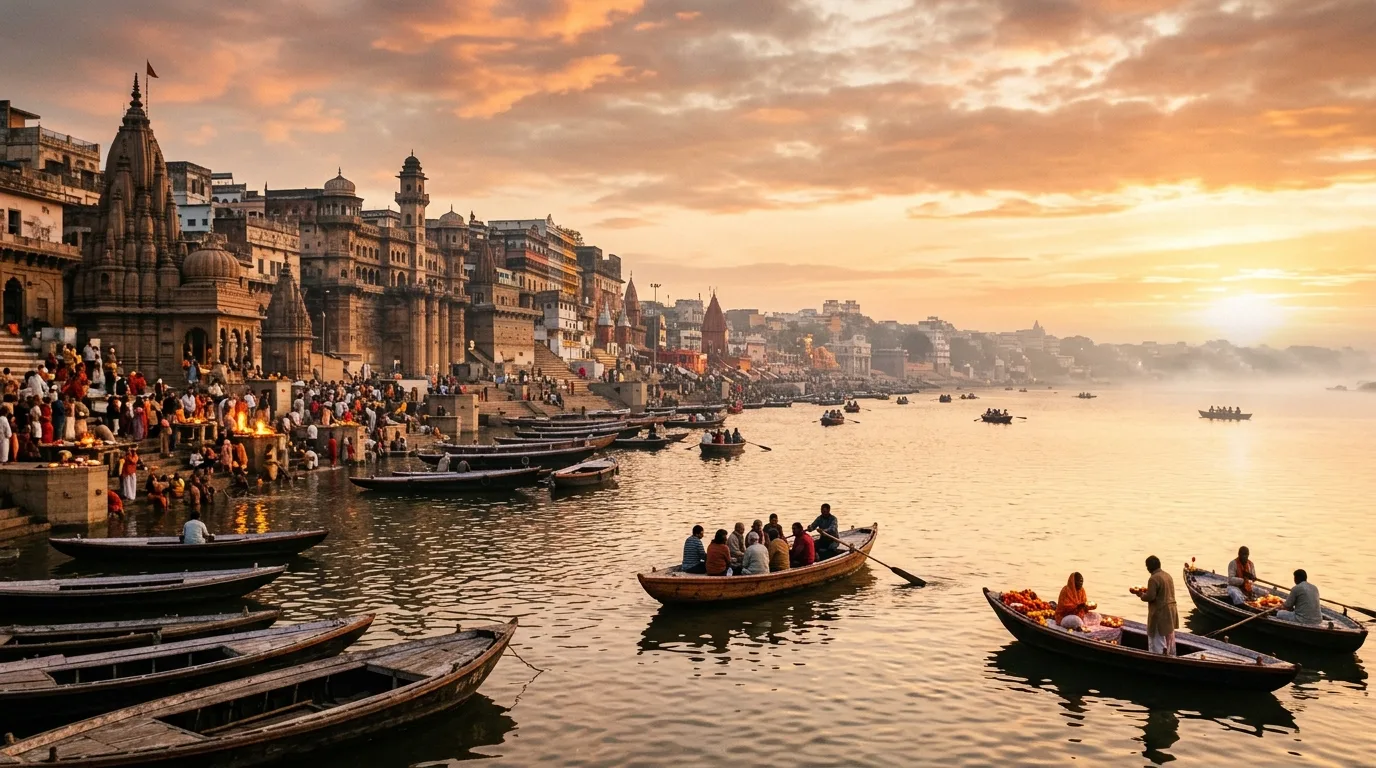
The morning chill off the Ganga bites right through a heavy woolen shawl. If you arrive at Lalita Ghat before six, the mist still hangs low over the water—blurting out the shapes of moored wooden rowboats and sleeping stray dogs. The climb up the stone stairs is slippery. Watch your step. The algae from the receding monsoon has left a slick, green film near the waterline.
You are heading for the Nepali Temple. It stands quietly away from the chaotic crowds of Dashashwamedh. Built in the nineteenth century by the King of Nepal, this structure is an architectural anomaly in a city dominated by North Indian shikhara spires. It uses terracotta and sacred Sal wood. The beams are heavy, dark, and carved with intricate erotic reliefs mirroring the Kathmandu Valley style.
Look up at the eaves. The brackets tell stories. It is peaceful here at dawn. (Honestly, skip the midday rush when the sun beats down mercilessly on the open courtyard). A lone priest sweeps cow dung ash from the stone patio while temple bells ring out a slow, heavy rhythm that vibrates in your chest.
Morning Light Versus Evening Shadows at the Wooden Pagoda
Light changes everything here. At 6:00 AM, the rising sun hits the western face of the temple, turning the weathered wood into a deep amber. Photographers love this hour. Bring a 50mm lens if you have one. You won't need a zoom; the courtyard is remarkably compact. Watch out for the resident goats—they wander freely between the stone shrines and have zero respect for camera tripods.
By 5:00 PM, the atmosphere shifts completely. The shadows lengthen across the courtyard, and the evening breeze carries the heavy scent of burning cow dung cakes from the surrounding lanes. The crowds trickle in from the main walking path running parallel to the river. It's quieter than the main aarti downstream, but it has its own distinct, melancholy charm. You'll hear the distant drone of conch shells echoing off the stone walls.
Don't try to use a drone here. The airspace is heavily monitored, and local security will confiscate your gear within minutes. Stick to eye-level shots. Capture the texture of the old wood joints and the worn copper bells hanging from the eaves.
Navigating the Maze to Godowlia Market
You leave the riverbank and dive headfirst into the galiyan. The alleys narrow rapidly. Two bicycles and a cow can barely pass at the same time. If someone shouts 'Bachche!' behind you, flatten yourself against the damp brick wall immediately. That's not a suggestion; it's survival. The Bajaj auto-rickshaws squeeze through spaces that defy geometry.
Godowlia intersection is a sensory overload. The noise level hits you like a physical wall. Horns blare continuously. Rickshaw pullers sweat through their gamchas while negotiating fares with impatient commuters. This is ground zero for shopping in Banaras, but you need a strategy. Never accept the first price quoted by a shopkeeper near the main crossing.
If a vendor quotes ₹1,200 for a brass lamp, counter with ₹400. Walk away if they refuse. They will usually call you back before you've taken ten steps. (And yes, the shopkeepers can spot foreign accents from fifty yards away, so keep your negotiations firm and polite in Hindi if you can manage a few basic phrases).
The Real Cost of Street Smarts and Godowlia Bargaining
| Item or Service | Initial Quoted Price (₹) | Fair Local Price (₹) |
|---|---|---|
| Shared Motorboat Ride | ₹200 per person | ₹50 to ₹80 |
| Kulhad Chai at Ghat | ₹20 | ₹10 |
| Godowlia Cotton Kurta | ₹800 | ₹300 to ₹350 |
| Handmade Wooden Toy | ₹500 | ₹150 to ₹200 |
The table above is your shield against overpaying. Street vendors near the main temples operate on tourist margins. Always carry small denomination notes—₹10, ₹20, and ₹50. No one has change for a ₹500 note when you are buying a ₹15 cup of chai or paying a tiny parking fee for a rented bicycle.
Keep your wallet in your front pocket. The crowds at Godowlia are dense, and physical contact is unavoidable when moving through the silk markets. Stay alert, keep your elbows slightly out to maintain your personal space, and never let anyone guide you to a 'special warehouse' promising wholesale export discounts.
Sinking Your Teeth Into Authentic Baati Chokha
After navigating the dust and noise of the market, your stomach is probably rumbling. Skip the multi-story tourist restaurants on the main road. Walk past them. Look for the smoke rising from clay ovens tucked into side courtyards. You want Baati Chokha—the quintessential rustic meal of the eastern Gangetic plains.
The dish is deceptively simple. Hard wheat dough balls stuffed with spiced sattu (roasted gram flour) are baked directly over dried cow dung and wood embers until the outer crust is charred and smoky. They are then cracked open and drowned in pure, melted desi ghee. The accompanying chokha is a rough mash of roasted aubergine, boiled potatoes, and raw tomatoes, spiked generously with raw mustard oil, green chilies, and crushed garlic.
It's heavy. It's earthy. It sits in your stomach like a stone for hours. (Wash it down with a glass of spiced mattha to help digestion, or you'll regret it during your afternoon walk). A full plate costs around ₹100 to ₹150 at a local dhaba, and it provides enough caloric energy to fuel a six-hour trek across the ghats.
Frequently Asked Questions
What are the exact opening hours of the Nepali Temple?
The temple gates open around 4:00 AM for the morning rituals and close briefly at noon. They reopen at 4:00 PM and stay open until the evening aarti concludes around 8:00 PM. Entry is completely free.
Is photography allowed inside the Nepali Temple courtyard?
Yes, exterior photography of the wooden architecture and carvings is permitted. However, taking photos inside the main sanctum facing the primary deity is strictly forbidden. Always check with the resident priests if you are unsure.
How do I reach the Nepali Temple from Godowlia Market?
You cannot take a motorized vehicle all the way to the temple. You must walk or take a cycle rickshaw from Godowlia to Dashashwamedh Ghat, then walk north along the upper pathway for about ten minutes past Lalita Ghat.
Where is the best place to eat Baati Chokha near Godowlia?
There are several authentic roadside stalls near the Pandey Ghat intersection and tucked behind the main Chowk area. Look for places with blackened clay ovens visible from the street where locals are eating off leaf plates.
Varanasi Travel Quick Reference: Timings, Costs & Essentials
Key verified facts for planning your visit to Varanasi — timings, transport costs, temple guidelines, and safety tips:
How much does a boat ride cost in Varanasi and how to book?
Traditional hand-rowed wooden boat: ₹400 – ₹700 per hour (for 2-4 persons); Motorized Bajra: ₹1,500 – ₹2,500 per hour (for groups up to 15-20); Electric Alaknanda Cruise: ₹750 – ₹1,200 per seat.
What are the exact Ganga Aarti timings at Dashashwamedh and Assi Ghat?
Morning Subah-e-Banaras at Assi Ghat begins at 05:00 AM (summer) / 05:45 AM (winter); Grand Evening Maha Aarti at Dashashwamedh Ghat begins at 07:00 PM (summer) / 06:00 PM (winter).
What is the dress code and entry fee for Kashi Vishwanath Temple?
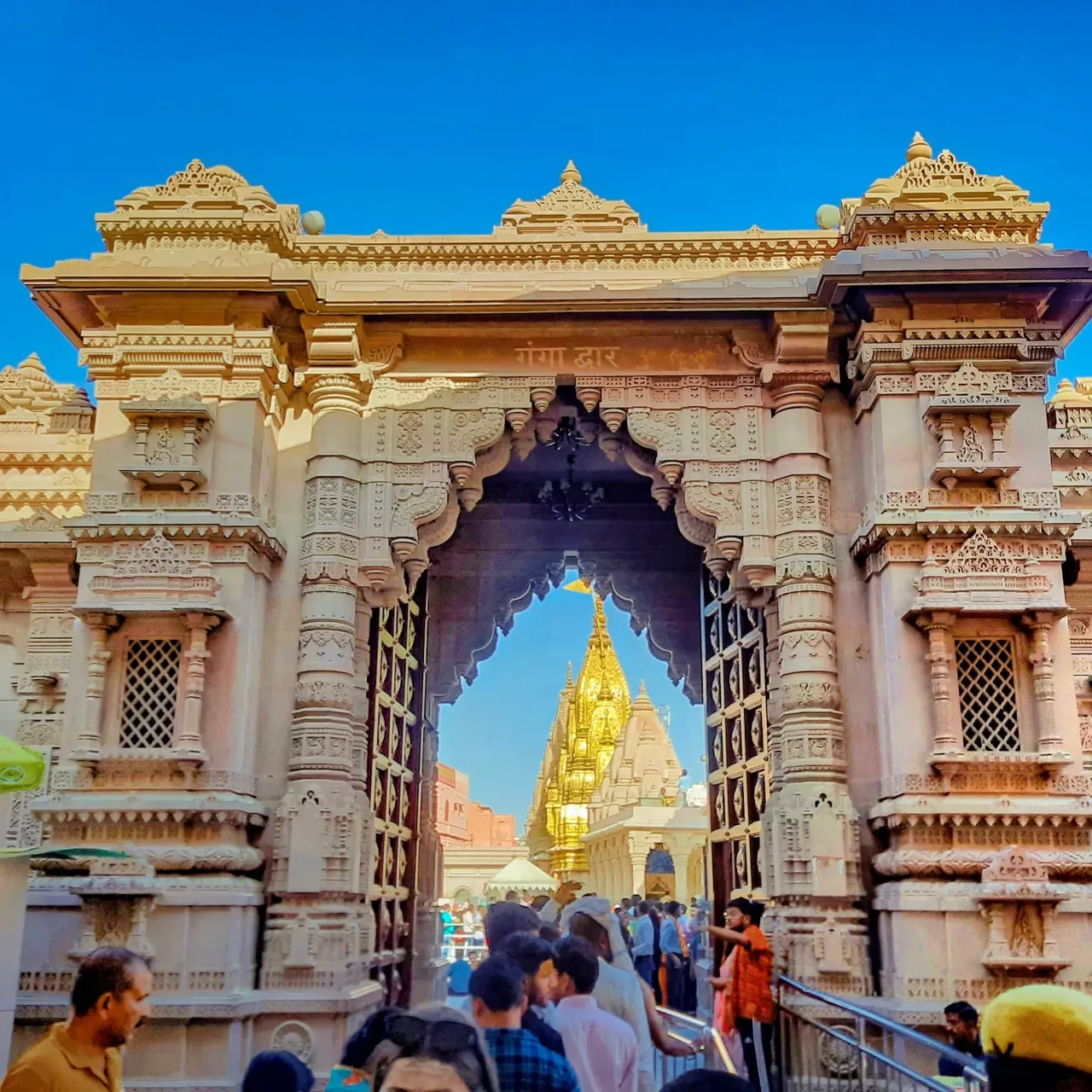
Free general darshan allowed in decent modest attire; inner sanctum Sparsh Darshan requires Dhoti-Kurta (men) and Saree (women); electronics, mobile phones, and leather belts strictly deposited in corridor digital lockers at Gate 4.
When is the best time of year to visit Varanasi?
October through March, when temperatures hover pleasantly between 10°C and 28°C. Coincides with Dev Deepawali (24 November 2026, with over 1.2 million lamps) and Maha Shivratri (February/March).
How far is Varanasi Airport from the Ghats and how to reach the city?
Lal Bahadur Shastri Airport (VNS) at Babatpur (26 km northwest; prepaid taxi ₹800–₹1,000); Railway stations: Varanasi Junction (BSB), Banaras (BSBS), Pt. Deen Dayal Upadhyaya Junction (DDU, 18 km).
What are the most common tourist scams in Varanasi and how to avoid them?
Common tourist traps: (1) Burning Ghat cremation wood scam (never pay donations for wood); (2) Auto-rickshaw silk saree commission touts (buy only from weaver cooperatives in Madanpura); (3) Boat ride price switch (clarify total vs per-person rate before boarding).