The Myth of the Eternal City's Surface Gloss
Glossy travel brochures tell you Varanasi is an unbroken scroll of eternity—a poetic abstraction where time stands still. Walk the gullies near Kachauri Gali at noon, and you'll realize how lazy that narrative really is. The city beneath your sneakers is fractured, layered, and literally shifting. Decades of archaeological work at nearby sites like Rajghat tell a far more grounded story of ancient mud-brick habitations, burnt-clay ring wells, and shifting river channels that predate most recorded chronologies. It's gritty, dusty, and completely unromanticized once you step past the riverfront facade.
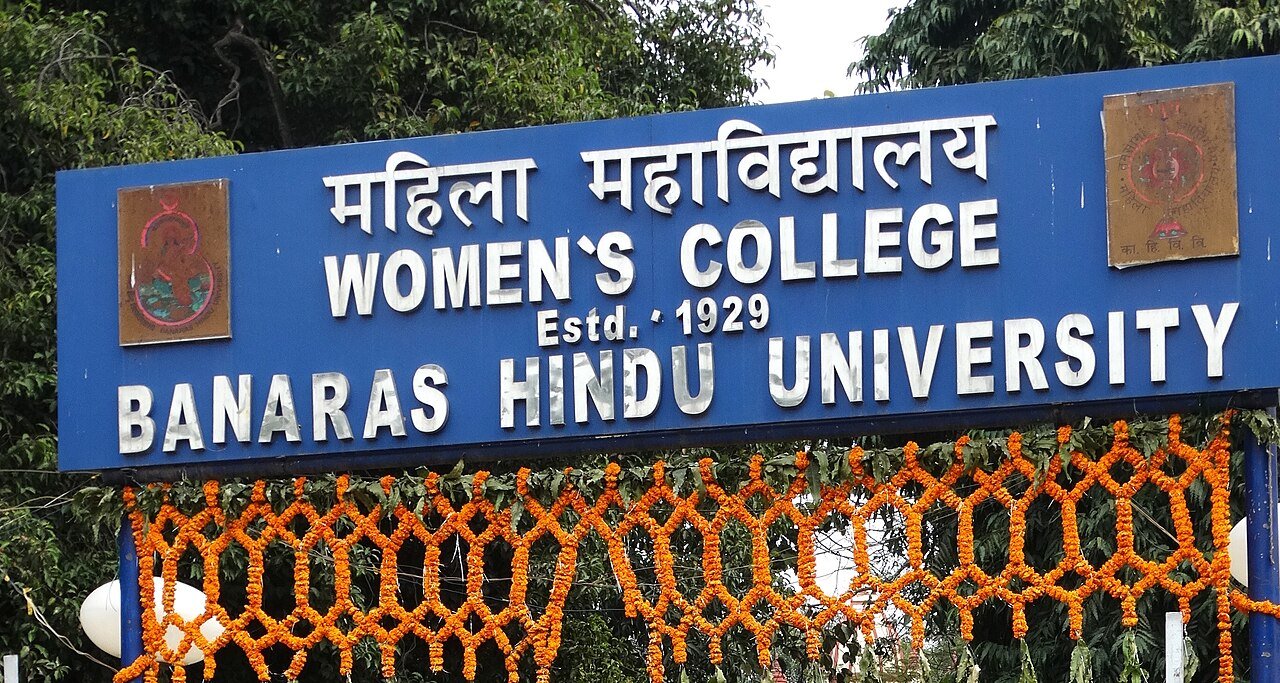
You won't find signposts pointing to these ancient strata. You have to hunt for them. Scholars from Banaras Hindu University have spent decades unearthing Northern Black Polished Ware sherds dating back to the 8th century BCE right along the river bluffs. But try telling that to the boatmen quoting ₹500 for a sunset ride who just want you to stare at the lamps. The real historical weight of this place lives in the soil profiles exposed during rainy season bank erosion—not in the laminated itineraries handed out at hotel desks.
Rethinking Rajghat and the Old Mound Trenches
If you actually want to see where Banaras pulls its historical credentials from, take an auto-rickshaw across the Malaviya Bridge toward Rajghat. The fare from Godowlia should sit around ₹150 if you bargain firmly. This northern plateau is where systematic excavation first proved that early human settlement here was far more than a mythic campsite. Trenches cut decades ago revealed ancient fortifications, punch-marked coins, and terracotta figurines that confirm continuous occupation over three millennia.
Standing on the edge of these neglected mounds, you won't hear temple bells. You'll hear the rumble of diesel trucks crossing the Ganga bridge and the clatter of goats picking through dry scrub. The site is poorly maintained, frankly. There are no velvet ropes or air-conditioned interpretive centers. Just sun-baked earth, stray dogs, and fragments of ancient bricks embedded in the path that crumble if you kick them. (And honestly, don't pick up the pottery shards—leave the stratigraphy alone, even if local kids try to sell you weathered beads for ₹50.)
Inside the Loom Sheds of Madanpura
Move away from the soil and into the clacking rhythm of the wooden jacquard loom. The true heartbeat of Banaras isn't just stone and soil; it's warp and weft. Head deep into Madanpura or Lohtia if you want to understand how a Katan silk sari actually comes to life. The narrow alleys here are so tight that two bicycles passing require shoulder-squeezing synchronization. Open a low wooden door, and the roar of shuttle mechanisms hits your chest like a physical wall.
Weavers crouch in dim, low-ceilinged rooms for ten hours a day, pulling punch cards that dictate complex floral motifs—kalkas and paisleys—originated centuries ago. A genuine handwoven Katan silk piece takes anywhere from fifteen days to three months of uninterrupted labor. Expect to pay at least ₹8,000 to ₹15,000 for authentic handloom work directly from a weaver's cooperative. If a shop near the main temple offers you pure silk for ₹1,500, walk away immediately. It's power-loom polyester blend, and any local weaver will tell you as much over a ₹15 kulhad of ginger tea.
The Material Reality of Silk Grading
| Fabric Type | Weaving Method | Typical Price Range (₹) | Burn Test / Identification |
|---|---|---|---|
| Katan Silk | Handloom pure mulberry silk | ₹8,000 - ₹45,000+ | Leaves powdery ash, smells like burnt hair |
| Georgette Silk | Twisted yarn hand/power mix | ₹3,500 - ₹9,000 | Lighter drape, slight crinkle texture |
| Viscose / Art Silk | Power-loom synthetic blend | ₹800 - ₹2,000 | Melts into hard plastic bead, chemical smell |
Navigating the Labyrinth Without the Guides
Self-appointed fixers love to intercept confused travelers near Chowk and Godowlia. They'll whisper about 'secret archaeological excavations' or 'government-approved weaver warehouses' just to drag you into commission traps. Shake them off with a firm, polite Hindi 'Nahi chahiye' and keep your Google Maps offline because GPS won't save you inside the masonry maze anyway. Follow the overhead electrical tangles and drainage slopes instead; they almost always lead either down to the ghats or out to a main vehicular artery.
The physical friction of the city is part of the archival experience. Your calves will burn from climbing slick stone steps. Your lungs will catch on woodsmoke and diesel exhaust. Take breaks at small tea stalls where a cup of spiced chai costs ₹10 and comes in an unglazed clay cup you smash on the pavement when you're done. No filters. No pristine presentation. Just boiling milk, loose-leaf dust, crushed ginger, and local commuters arguing about the price of potatoes.
Frequently Asked Questions
Can I visit the Rajghat archaeological site directly?
Yes, but there is no formal museum ticket counter or visitor center on-site. It's an open geological and historical mound area near the northern railway tracks. Go during daylight hours, wear sturdy walking shoes because of loose debris, and respect the local residents living around the perimeter.
How do I verify if a Banarasi saree is truly handwoven?
Look at the reverse side of the fabric near the border. Handloom pieces feature irregular floating threads (kadhuwa or fekuwa technique) where motifs change. Power-loom sarees have completely clean, machine-trimmed backs with synthetic backing threads. When in doubt, ask to visit the actual loom workshop behind the retail storefront.
What is the best time of day to explore the old city lanes?
Between 6:00 AM and 8:30 AM. The delivery carts are moving, the air is relatively cool before the afternoon humidity spikes, and the shopkeepers are sweeping their thresholds. Avoid midday unless you enjoy melting in narrow corridors packed with delivery motorbikes.
How much should I budget for a private artisan workshop visit?
Visiting a weaver's cooperative in Madanpura or Alaipura costs nothing in terms of entry fees, but always buy directly or tip the master weaver for their time if you spend an hour examining their cards and looms. Purchasing a small scarf or pocket square starting around ₹500 is a fair way to support the craft.
Varanasi Travel Quick Reference: Timings, Costs & Essentials
Key verified facts for planning your visit to Varanasi — timings, transport costs, temple guidelines, and safety tips:
How much does a boat ride cost in Varanasi and how to book?
Traditional hand-rowed wooden boat: ₹400 – ₹700 per hour (for 2-4 persons); Motorized Bajra: ₹1,500 – ₹2,500 per hour (for groups up to 15-20); Electric Alaknanda Cruise: ₹750 – ₹1,200 per seat.
What are the exact Ganga Aarti timings at Dashashwamedh and Assi Ghat?
Morning Subah-e-Banaras at Assi Ghat begins at 05:00 AM (summer) / 05:45 AM (winter); Grand Evening Maha Aarti at Dashashwamedh Ghat begins at 07:00 PM (summer) / 06:00 PM (winter).
What is the dress code and entry fee for Kashi Vishwanath Temple?
Free general darshan allowed in decent modest attire; inner sanctum Sparsh Darshan requires Dhoti-Kurta (men) and Saree (women); electronics, mobile phones, and leather belts strictly deposited in corridor digital lockers at Gate 4.
When is the best time of year to visit Varanasi?
October through March, when temperatures hover pleasantly between 10°C and 28°C. Coincides with Dev Deepawali (24 November 2026, with over 1.2 million lamps) and Maha Shivratri (February/March).
How far is Varanasi Airport from the Ghats and how to reach the city?
Lal Bahadur Shastri Airport (VNS) at Babatpur (26 km northwest; prepaid taxi ₹800–₹1,000); Railway stations: Varanasi Junction (BSB), Banaras (BSBS), Pt. Deen Dayal Upadhyaya Junction (DDU, 18 km).
What are the most common tourist scams in Varanasi and how to avoid them?
Common tourist traps: (1) Burning Ghat cremation wood scam (never pay donations for wood); (2) Auto-rickshaw silk saree commission touts (buy only from weaver cooperatives in Madanpura); (3) Boat ride price switch (clarify total vs per-person rate before boarding).