Introduction
Varanasi feels alive year‑round, yet each season flips the vibe. The big question: when to drop in to catch the Ganga Aarti in full splendor, wander Assi Ghat’s old lanes, and dodge sweltering heat? The answer isn’t a single month; it’s a month‑by‑month playbook that balances weather, crowds and festivals.
Month‑by‑Month Guide
Below is a concise table that shows key weather data, tourist traffic and special events for each month. All figures are sourced from the India Meteorological Department (IMD) and the Ministry of Tourism.
- January – Avg. 10‑20°C, low humidity, 3–4 lakh visitors.
- February – Avg. 12‑22°C, moderate crowds, 4–5 lakh visitors.
- March – Avg. 18‑28°C, festivals begin, 6–7 lakh visitors.
- April – Avg. 24‑34°C, peak tourist season, 8–9 lakh visitors.
- May – Avg. 28‑38°C, high humidity, 9–10 lakh visitors.
- June – Avg. 25‑35°C, monsoon showers, 7–8 lakh visitors.
- July – Avg. 23‑33°C, rainfall high, 6–7 lakh visitors.
- August – Avg. 22‑32°C, monsoon ends, 5–6 lakh visitors.
- September – Avg. 20‑30°C, pleasant, 4–5 lakh visitors.
- October – Avg. 18‑26°C, post‑monsoon, 4–5 lakh visitors.
- November – Avg. 14‑22°C, festival season, 4–5 lakh visitors.
- December – Avg. 10‑18°C, cooler, 3–4 lakh visitors.
January – Cool Calm
Winter’s chill wraps the city. A morning stroll on the Ganga feels crisp, the light just right for snaps. The streets are hushed, so you can soak in the ghats without a crowd. Aarti crowds stay tight but devoted.
February – Gentle Warmth
Temperatures lift, making daytime wandering a pleasure. The first festivals stir the air, but April’s crush is still far away. Ideal for those who crave mild heat and a touch of buzz.
March – Festival Fever Begins
March launches the festival parade. Chhath Puja prep lights up the city. Aarti draws more faces, yet the heat is still bearable before it peaks.
April – Peak Tourist Season
April brings blistering heat and the most footfall. Aarti is a must, but expect queues. If you can sweat it out, the cultural stew is richest—especially during Kumbh Mela (if it lands). For fewer people, aim for early afternoon and keep water handy.
May – Heat and Humidity
May is the scorch‑test. Temperatures often top 35°C; the ghats feel sticky. Aarti remains lively, but crowds swell and evenings feel oppressive. Dawn walks beat the blaze.
June – Monsoon Begins
Rain starts to pour. The city turns misty, the Ganga glides calm. Aarti still happens, but fewer tourists stay inside. The monsoon paints Varanasi a greener hue.
July – Peak Monsoon
July packs the most rain and humidity. Ghats are thinner, perfect for a quiet spiritual soak. Aarti continues, yet the night crowd shrinks. Light, airy clothes plus a waterproof jacket are a must.
August – Monsoon Winds Down
Rain tapers, the city exhales. Aarti slowly pulls back tourists, but still stays calmer than the peak. Good for budget travellers craving a low‑key stay.
September – Pleasant Transition
September balances decent weather and manageable crowds. Aarti attracts steady pilgrims; the ghats buzz but aren’t jam-packed. Cultural events resume, adding layers to the visit.
October – Post‑Monsoon Serenity
Temperatures settle to 18‑26°C. Ghats look spotless, water clear. Aarti’s still popular, yet the crowd size is tame. Photographers will find this season sweet.
November – Festival Season Peaks
November hosts Diwali and other big festivals. Aarti draws huge throngs, especially on Diwali and Dussehra nights. Weather stays moderate, perfect for sightseeing.
December – Cool and Calm
December stays between 10‑18°C, ideal for daytime walks. The city quiets after festival flurry. Aarti sees fewer people, making for a more introspective vibe.
When to See the Ganga Aarti
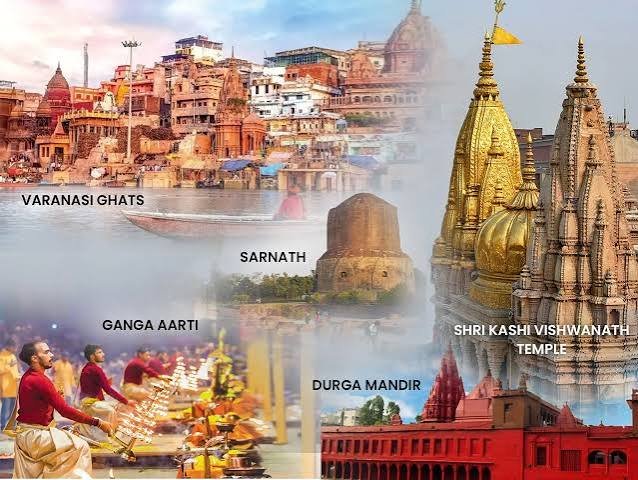
Aarti happens twice daily at Assi Ghat: 18:00 and 21:00. The night show is grander, with chanting, incense and lamps. For the full feel, snag a spot 30 minutes before 18:00. 21:00 draws crowds, but the early one is calmer.
Assi Ghat Highlights
Assi Ghat tops the visit list in Varanasi, buzzing with life and history. Daily rituals have pilgrims sit, meditate and perform aarti. You can also wander nearby museums and Mughal‑era buildings. Dawn is best for a walk—the light’s golden, water’s still.
Practical Tips for Your Visit
• Dress appropriately: Light cotton for heat, a jacket for chill.
• Stay hydrated: Grab a reusable bottle, refill at public taps.
• Book accommodation in advance for peak season (April–May) or festival periods.
• Use local transport: Narrow lanes are best on foot or rickshaw. Dodge auto‑rickshaws that overcharge.
• Respect local customs: Cover head in temples, silence phone during aarti.
FAQ
What is the best month to see the Ganga Aarti?
Aarti’s great all year, but the evening show in festival months (April, November) is the most vibrant. For quiet, try December or January.
Is it safe to visit Varanasi during the monsoon?
Yes, but expect sudden showers and slick paths. Wear suitable shoes, carry a compact umbrella.
Can I book a guided tour for the Ganga Aarti?
Many local agencies offer tours that include a seat at Aarti and a quick ghats history. Check reviews before booking.
How do I avoid crowds during peak season?
Arrive early for Aarti, skip midday hotspots, stay in a less central neighbourhood.
What are the health precautions I should take?
Drink only bottled or filtered water, use hand sanitizer, watch food hygiene at stalls.