 By Nikhil kumar pandey & Editorial Guild
Why Varanasi’s Soundscape Matters
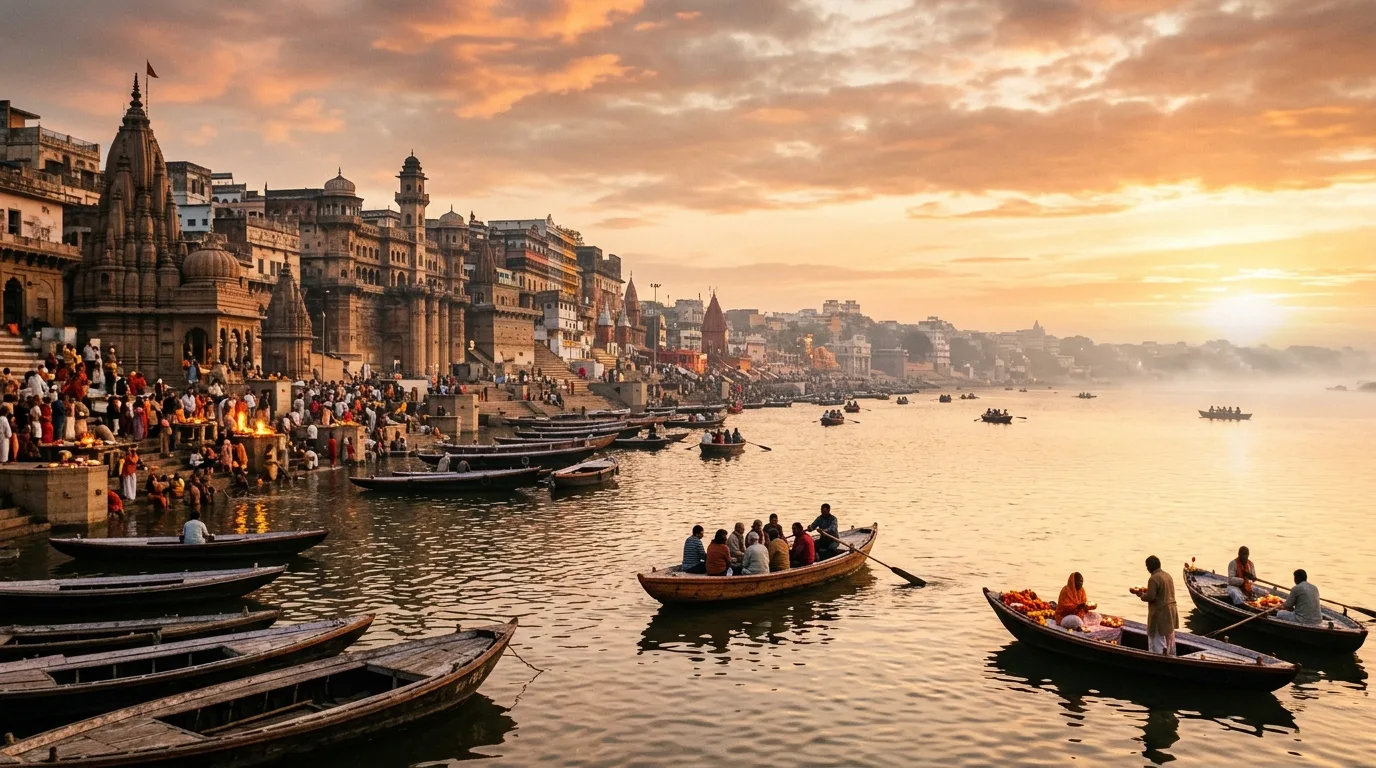
A violin drifted across dawn‑lit ghats. The city breathed a fresh beat. That instant froze Banaras’ soul – where ragas, old melodies, and street scents mash together.
Classical Music in Varanasi
Varanasi hosts the Banaras Hindu University Music Department, staging more than 30 festivals a year (Ministry of Culture, 2022). The annual Sitar Festival pulls over 20,000 crowds, while the Banaras Classical Music Academy records roughly 15,000 attendees each semester. Numbers alone shout the city’s devotion to Hindustani traditions.
Key Instruments and Ensembles
In narrow lanes, sarangi players, tabla ensembles, and flute masters spill music into night markets. The sarangi, prized for its soulful tone, anchors Varanasi’s halls. Tabla artists often jam with vocalists in low‑key gatherings, sparking a dialogue that feels almost sacred.
The Raga Tradition of Banaras
Banaras is famous for unique raga flavors like 'Pancham Kafi' and 'Gurjari'. These tunes tie to specific times and seasons. The 2021 Banaras Hindu University library catalog lists 5,000 raga manuscripts, making it one of India’s biggest collections.
Ragas and Rituals
Many ragas in Varanasi serve religious rituals. For example, 'Bhimpalasi' plays during evening prayers at Sankat Mochan Temple. The melody calms minds and aids meditation, a belief shared by local priests who’ve kept this practice for ages.
Music in Sarnath: The Birthplace of Buddhism
A 12‑km stroll from Varanasi, Sarnath hosts Dhamek Stupa and the Sarnath Museum of Buddhist Art. The locale now buzzes with traditional music during Buddhist festivals. In 2019, the Sarnath Music Festival drew 12,000 visitors, blending classical ragas with Buddhist chants (Sarnath Cultural Board, 2019).
Monastic Influence on Ragas
Monks in Sarnath historically tweak ragas for meditation. They lean on slow tempos and elongated phrases, creating a zen vibe that contrasts with Varanasi’s lively street shows. This split shows how a single tradition morphs across cultures.
Varanasi Street Food: A Flavorful Companion to Music
While music fills the air, the streets buzz with flavor. The iconic dish is Kachori – a spicy pastry with lentils – paired with steaming cups of Masala Chai. Vendors line the ghats, offering menus that shift with the hour.
Must‑Try Foods
- Banarasi Lassi – a sweet yogurt drink that pairs perfectly with spicy street fare.
- Chaat – a tangy mix of potatoes, chickpeas, and tamarind sauce, popular at dusk.
- Poha – flattened rice seasoned with mustard seeds, eaten during early‑morning prayers.
Every bite is made with local spices and a dash of heritage. The scent of freshly fried puris blends with tabla rhythms, delivering a full‑sensory moment locals love.
Street Food and Music: A Symbiotic Relationship
In Varanasi, musicians often jam near food stalls. The rhythmic clatter of pans sets a tempo that players echo in improvisations. The streets transform into an open‑air concert hall where food and music feed one another.
Planning Your Visit: Timing and Tips
To catch the best of Varanasi’s music and food, aim for mid‑January to early February. The city hosts the Varanasi Music & Food Festival then, mixing classical shows with street‑food fairs. Main‑stage tickets start at ₹200, while premium seats hit ₹1,200.
Practical Tips
Wear sturdy shoes for ghats. Grab a light jacket – evenings dip. Music lovers should book seats at Banaras Classical Music Academy early, as spots fill fast during festivals.
FAQ
What are the most popular ragas in Varanasi?
'Pancham Kafi', 'Gurjari', and 'Bhimpalasi' dominate, each tied to a specific time of day.
When is the best time to visit Varanasi for music festivals?
January and February are peak, hosting the city’s largest festivals.
Can I taste authentic street food while attending a concert?
Yes – most concerts sit beside stalls. You can munch Kachori or Poha right after a set.
Where can I learn about ragas in Varanasi?
The Banaras Hindu University Music Department and the Sarnath Museum of Buddhist Art run workshops and guided tours on ragas.
Varanasi Travel Quick Reference: Timings, Costs & Essentials
Key verified facts for planning your visit to Varanasi — timings, transport costs, temple guidelines, and safety tips:
How much does a boat ride cost in Varanasi and how to book?
Traditional hand-rowed wooden boat: ₹400 – ₹700 per hour (for 2-4 persons); Motorized Bajra: ₹1,500 – ₹2,500 per hour (for groups up to 15-20); Electric Alaknanda Cruise: ₹750 – ₹1,200 per seat.
What are the exact Ganga Aarti timings at Dashashwamedh and Assi Ghat?
Morning Subah-e-Banaras at Assi Ghat begins at 05:00 AM (summer) / 05:45 AM (winter); Grand Evening Maha Aarti at Dashashwamedh Ghat begins at 07:00 PM (summer) / 06:00 PM (winter).
What is the dress code and entry fee for Kashi Vishwanath Temple?
Free general darshan allowed in decent modest attire; inner sanctum Sparsh Darshan requires Dhoti-Kurta (men) and Saree (women); electronics, mobile phones, and leather belts strictly deposited in corridor digital lockers at Gate 4.
When is the best time of year to visit Varanasi?
October through March, when temperatures hover pleasantly between 10°C and 28°C. Coincides with Dev Deepawali (24 November 2026, with over 1.2 million lamps) and Maha Shivratri (February/March).
How far is Varanasi Airport from the Ghats and how to reach the city?
Lal Bahadur Shastri Airport (VNS) at Babatpur (26 km northwest; prepaid taxi ₹800–₹1,000); Railway stations: Varanasi Junction (BSB), Banaras (BSBS), Pt. Deen Dayal Upadhyaya Junction (DDU, 18 km).
What are the most common tourist scams in Varanasi and how to avoid them?
Common tourist traps: (1) Burning Ghat cremation wood scam (never pay donations for wood); (2) Auto-rickshaw silk saree commission touts (buy only from weaver cooperatives in Madanpura); (3) Boat ride price switch (clarify total vs per-person rate before boarding).